

Waking up with aching hips can transform your entire day from promising to painful. If you’re one of the millions experiencing hip discomfort, you already know that your mattress plays a pivotal role in either alleviating or aggravating this condition. The right mattress doesn’t just support your body—it actively works to reduce pressure points, maintain proper spinal alignment, and allow your muscles to relax throughout the night.
Hip pain during sleep typically stems from several sources: arthritis, bursitis, tendinitis, or simply the natural aging process that affects our joints. Side sleepers face particular challenges because this position concentrates body weight directly on the hips and shoulders, creating intense pressure points that can lead to morning stiffness and discomfort. Back sleepers aren’t immune either—a mattress that’s too firm can prevent natural spinal curvature, while one that’s too soft allows the hips to sink excessively, creating misalignment.
Why Your Mattress Choice Matters When You Have Hip Pain!
Best Mattress for Hip Pain:The mattress industry has evolved significantly in recent years. Memory foam, latex, hybrid designs, and advanced coil systems now offer targeted support that previous generations could only dream about. Understanding which technology works best for hip pain requires looking beyond marketing claims and examining how different materials respond to body weight, sleep position, and individual pressure point needs.
This comprehensive guide examines eleven exceptional mattresses specifically chosen for their ability to address hip pain concerns. We’ve analyzed construction quality, pressure relief capabilities, firmness levels, temperature regulation, and real-world user experiences to help you make an informed decision. Whether you’re a side sleeper needing plush cushioning, a back sleeper requiring balanced support, or someone dealing with chronic hip conditions, you’ll find options tailored to your specific situation.
The financial investment in a quality mattress is significant—typically ranging from several hundred to several thousand dollars. However, when you consider that you spend approximately one-third of your life sleeping, and that poor sleep quality directly impacts your health, productivity, and overall wellbeing, choosing the right mattress becomes one of the most important health decisions you can make. Poor sleep doesn’t just mean fatigue; it’s linked to increased inflammation, slower healing, reduced immune function, and heightened pain sensitivity.
In the following sections, you’ll discover detailed reviews of our top picks, a comprehensive buying guide explaining exactly what to look for, and answers to the most common questions about mattresses and hip pain. Our goal is to empower you with the knowledge needed to select a mattress that transforms your sleep quality and helps manage your hip discomfort effectively.
Top 11 Mattresses for Hip Pain – Detailed Reviews
1. Saatva Classic Innerspring Mattress

The Saatva Classic represents a modern interpretation of traditional innerspring construction, combining old-school durability with contemporary comfort technology. This luxury hybrid mattress has earned recognition for its exceptional support structure that specifically addresses hip pain concerns through its dual-coil system and lumbar enhancement.
Key Features:
- Dual-coil construction with individually wrapped comfort coils over a steel support base
- Euro pillow top with organic cotton cover and hypoallergenic padding
- Lumbar Zone Spinal Support technology for enhanced lower back and hip alignment
- Three firmness options: Plush Soft, Luxury Firm, and Firm
- 14.5-inch or 11.5-inch profile options
- Free white glove delivery and old mattress removal
- Lifetime warranty and 365-night home trial
- Eco-friendly materials including CertiPUR-US certified foams
Performance and User Experience:
The Saatva Classic excels at providing responsive support that adapts to body movements throughout the night. The dual-coil system creates a supportive foundation while the upper layer of individually wrapped coils contours to pressure points without the sinking sensation some people dislike about memory foam. For hip pain sufferers, the Luxury Firm option typically offers the ideal balance—supportive enough to maintain alignment yet soft enough to cushion pressure points.
Users consistently report significant improvement in morning hip stiffness within the first few weeks of sleeping on this mattress. The enhanced lumbar support zone particularly benefits side sleepers who need extra reinforcement in the midsection to prevent the characteristic hip sag that causes misalignment. The breathable coil-on-coil construction also promotes airflow, addressing overheating concerns that can disrupt sleep and increase pain perception.
The Euro pillow top adds a layer of plush comfort without compromising support integrity. This design prevents the “sleeping on top of the mattress” feeling while still providing gentle cushioning where hips make contact. Edge support is notably robust, allowing you to utilize the full sleeping surface without roll-off concerns—an important consideration for those with mobility limitations.
Pros:
✅ Exceptional lumbar zone support specifically targets hip and lower back alignment
✅ Responsive coil system allows easy position changes without feeling trapped
✅ Superior breathability reduces heat retention that can intensify pain
✅ Three firmness levels accommodate different body types and preferences
✅ Outstanding edge support provides full surface utilization
✅ White glove delivery eliminates setup concerns
✅ Industry-leading 365-night trial allows thorough evaluation
✅ Lifetime warranty demonstrates manufacturer confidence
Cons:
❌ Higher price point compared to bed-in-a-box competitors
❌ 14.5-inch height may require deep-pocket sheets
❌ Initial off-gassing odor dissipates but may be noticeable for sensitive individuals
❌ Weight (approximately 150 pounds for Queen) makes rotation more challenging
Ideal For:
The Saatva Classic is perfect for side sleepers and combination sleepers with hip pain who want traditional innerspring feel with modern comfort enhancements. It’s particularly well-suited for couples due to excellent motion isolation despite coil construction, and for those who prefer sleeping “on” rather than “in” their mattress. The robust construction also makes it ideal for heavier individuals who need extra support without sacrificing pressure relief.
Amazon Rating Summary:
With thousands of reviews averaging 4.7 out of 5 stars, customers consistently praise the immediate relief from hip pressure and the mattress’s durability over years of use. The responsive customer service and generous trial period receive particular mention.
Final Verdict:
The Saatva Classic delivers premium performance at a mid-luxury price point. Its thoughtful construction specifically addresses hip pain concerns through targeted support zones and pressure-relieving comfort layers. While the investment is significant, the combination of durability, comfort, and health benefits makes it a top contender for anyone serious about managing hip discomfort through better sleep.
2. Purple Hybrid Premier Mattress

Purple’s innovative GelFlex Grid technology has revolutionized pressure relief for sleepers with hip pain. This hybrid mattress combines their proprietary gel material with responsive coils to create a sleeping surface that adapts dynamically to body contours while maintaining consistent support.
Key Features:
- Patented GelFlex Grid available in 3-inch or 4-inch thickness
- Hyper-elastic gel polymer material that doesn’t compress like foam
- Responsive support coils with reinforced edge support
- Temperature-neutral sleeping surface
- Motion isolation superior to traditional memory foam
- Available in multiple firmness levels through grid thickness selection
- 100-night trial period with free returns
- 10-year warranty coverage
- Made in the USA with non-toxic materials
Performance and User Experience:
The Purple Hybrid Premier’s standout feature is its unprecedented pressure relief without the quicksand effect of memory foam. The GelFlex Grid collapses under pressure points like hips and shoulders while remaining supportive under lighter body areas. This dynamic adaptation means your hips receive cushioning without your spine sagging out of alignment—a critical distinction for pain management.
Users with chronic hip conditions report that the Purple feels uniquely responsive, almost springy, while still cradling pressure points effectively. The gel material doesn’t retain heat like foam, maintaining a neutral temperature throughout the night. This thermal regulation is particularly beneficial because increased body temperature can heighten pain sensitivity and inflammation.
The 4-inch grid option provides maximum pressure relief for severe hip pain or heavier body weights, while the 3-inch version offers a balanced feel suitable for average-weight sleepers. The responsive nature of the material makes position changes effortless—important for those who need to adjust sleeping posture to manage discomfort during the night.
One distinctive characteristic is the mattress’s immediate responsiveness. Unlike memory foam that slowly conforms and slowly rebounds, the Purple grid reacts instantly to movements. This responsiveness prevents that trapped feeling that some people with hip pain find claustrophobic and allows natural shifting throughout sleep cycles.
Pros:
✅ Revolutionary pressure relief technology targets hip pain specifically
✅ Temperature-neutral surface prevents heat-related discomfort
✅ Instant responsiveness allows easy position adjustments
✅ Superior motion isolation benefits couples
✅ Unique feel that many chronic pain sufferers prefer over memory foam
✅ Durable construction maintains performance over years
✅ Grid design promotes airflow directly through the comfort layer
✅ Minimal off-gassing due to non-foam construction
Cons:
❌ Premium pricing reflects proprietary technology
❌ Unique feel may require adjustment period for some sleepers
❌ Heavier than many foam mattresses, complicating sheet changes
❌ 100-night trial is shorter than some competitors’ offerings
Ideal For:
The Purple Hybrid Premier excels for side sleepers with hip pain who dislike the enveloping sensation of memory foam. It’s particularly effective for hot sleepers whose pain worsens with increased body temperature, and for combination sleepers who change positions frequently throughout the night. Those with both hip and shoulder pain often find the balanced pressure relief especially beneficial.
Amazon Rating Summary:
Customer reviews averaging 4.6 out of 5 stars consistently highlight dramatic reduction in hip pressure points and improved sleep quality. Many users note that the investment paid off within weeks through better pain management and sleep quality.
Final Verdict:
Purple’s innovative approach to pressure relief offers a genuinely different solution for hip pain sufferers. While the price reflects its premium positioning, the combination of targeted pressure relief, temperature neutrality, and responsive support creates an exceptional sleeping experience for those whose hip discomfort has been resistant to traditional mattress solutions.
3. WinkBed Mattress

The WinkBed combines hotel-quality luxury with therapeutic support designed specifically for pain management. This American-made hybrid mattress features a sophisticated coil-on-coil construction with targeted lumbar support, making it particularly effective for hip pain relief.
Key Features:
- Tencel cover with moisture-wicking and cooling properties
- Gel-infused foam comfort layer for pressure relief
- Zoned support coils that reinforce the lumbar region
- Durable steel base coils for long-term support integrity
- Four firmness options: Softer, Luxury Firm, Firmer, and Plus (for heavier individuals)
- 13.5-inch profile with reinforced edge support
- 120-night sleep trial with free shipping and returns
- Lifetime warranty coverage
- Made in Wisconsin with CertiPUR-US certified materials
Performance and User Experience:
The WinkBed’s zoned lumbar support system directly addresses one of the primary causes of hip pain—spinal misalignment. The reinforced center third of the mattress prevents the characteristic sagging that allows hips to sink too deeply, maintaining the natural spinal curve essential for pain-free sleep. This targeted engineering works particularly well for back sleepers and heavier side sleepers who need extra support in the midsection.
The gel-infused foam comfort layer provides initial pressure relief while the individually wrapped coils beneath adapt to body contours. This combination creates a balanced feel—supportive yet cushioning—that users describe as similar to high-end hotel mattresses. The Tencel cover adds a luxury element while actively wicking away moisture that can make sleeping uncomfortable and increase pain awareness.
Edge support is exceptional, with reinforced perimeter coils that maintain their structure even when sitting on the mattress edge. This feature is particularly valuable for those with hip mobility issues who use the edge for leverage when getting in and out of bed. The full-surface support also means couples don’t lose valuable sleeping space to saggy edges.
The Luxury Firm option receives the highest marks from hip pain sufferers, offering enough conforming comfort to relieve pressure while maintaining the supportive structure necessary for proper alignment. The Softer version works well for lighter-weight side sleepers, while the Firmer option suits stomach sleepers or those who prefer more resistance.
Pros:
✅ Zoned lumbar support prevents hip sinking and misalignment
✅ Four firmness options accommodate diverse body types and preferences
✅ Hotel-quality feel combines luxury with therapeutic benefits
✅ Exceptional edge support maximizes usable sleeping surface
✅ Tencel cover provides cooling and moisture management
✅ Lifetime warranty offers long-term confidence
✅ 120-night trial provides adequate evaluation period
✅ Plus option specifically engineered for heavier individuals
Cons:
❌ Higher price point than budget alternatives
❌ 13.5-inch height may not fit all bed frames
❌ Heavier construction makes solo setup challenging
❌ Initial firmness may feel different than in-showroom samples
Ideal For:
The WinkBed is ideal for back sleepers and heavier individuals with hip pain who need robust support without sacrificing comfort. It’s particularly well-suited for couples where one or both partners experience hip discomfort, and for those who want a traditional innerspring feel enhanced with modern comfort technology. The Plus option specifically serves individuals over 300 pounds who typically struggle to find adequate support.
Amazon Rating Summary:
With ratings consistently above 4.7 stars, customers emphasize the immediate improvement in hip pain and the mattress’s durability over time. The responsive customer service team and hassle-free trial period receive frequent praise.
Final Verdict:
The WinkBed successfully bridges the gap between traditional innerspring support and modern pressure-relieving comfort. Its zoned support system makes it particularly effective for hip pain management, while the range of firmness options ensures most sleepers can find their ideal match. The lifetime warranty and American manufacturing add value that justifies the premium investment.
4. Helix Midnight Luxe Mattress

The Helix Midnight Luxe represents the brand’s premium offering, specifically designed for side sleepers with pressure point concerns. This hybrid mattress incorporates advanced memory foam layers with zoned coil support to target hip pain relief while maintaining spinal alignment.
Key Features:
- Quilted pillow top with cooling gel memory foam
- Zoned lumbar support coils for targeted reinforcement
- Memory Plus Foam layer for enhanced pressure relief
- DuraDense base foam for foundational support
- Breathable cover with phase change material for temperature regulation
- 15-inch profile for substantial comfort layers
- 100-night sleep trial period
- 15-year warranty coverage
- Medium feel (5-6 on firmness scale)
Performance and User Experience:
The Helix Midnight Luxe specifically targets side sleepers with hip pain through its balanced approach to conforming comfort and supportive structure. The quilted pillow top provides immediate plush cushioning that relieves pressure on contact points, while the zoned coil system beneath prevents excessive sinking that could compromise spinal alignment.
Users report that the mattress feels noticeably softer than the standard Midnight model, making it particularly effective for lighter-weight individuals and those who need maximum pressure relief. The Memory Plus Foam layer conforms to hip contours without the excessive heat retention often associated with traditional memory foam. The phase change material in the cover actively works to dissipate body heat, maintaining a comfortable sleeping temperature.
The zoned coil design provides firmer support in the center third of the mattress—where hips typically rest—while offering softer cushioning for shoulders and legs. This intelligent engineering prevents the common issue of hips sinking too deeply while shoulders remain uncomfortably elevated. The result is more consistent spinal alignment throughout the night.
Motion isolation is excellent, with minimal partner disturbance even when one person moves or gets up during the night. This feature proves particularly valuable when hip pain causes restlessness or requires position adjustments. The mattress absorbs movement rather than transferring it across the surface.
Pros:
✅ Specifically engineered for side sleepers with pressure point concerns
✅ Quilted pillow top provides immediate pressure relief
✅ Zoned support prevents hip sinking while cushioning pressure points
✅ Phase change material actively regulates temperature
✅ Excellent motion isolation benefits couples
✅ 15-year warranty demonstrates quality construction confidence
✅ Medium feel works for most body types and sleeping preferences
✅ 15-inch profile provides substantial comfort layering
Cons:
❌ Higher price point reflects luxury positioning
❌ 100-night trial is shorter than some premium competitors
❌ May feel too soft for stomach sleepers or heavier individuals
❌ Deep profile requires compatible bed frame and sheets
Ideal For:
The Helix Midnight Luxe is perfect for side sleepers under 230 pounds who experience hip pain and want a plush yet supportive sleeping surface. It’s particularly well-suited for those who sleep hot and find that temperature regulation impacts their pain levels. Couples where at least one partner sleeps on their side will appreciate the combination of pressure relief and motion isolation.
Amazon Rating Summary:
Customer reviews averaging 4.6 stars emphasize the dramatic improvement in hip comfort and the mattress’s ability to maintain its supportive properties over time. Many users note that the investment was worthwhile for the quality of sleep improvement.
Final Verdict:
The Helix Midnight Luxe delivers on its promise of side sleeper optimization with targeted hip pain relief. The combination of plush comfort layers and intelligent support zones creates an environment where hips receive necessary cushioning without compromising spinal health. While positioned at a premium price point, the quality construction and specific focus on pressure point relief make it an excellent investment for those whose hip pain primarily manifests during side sleeping.
5. Tempur-Pedic TEMPUR-Adapt Medium Hybrid

Tempur-Pedic pioneered memory foam mattresses, and the TEMPUR-Adapt Medium Hybrid represents decades of refinement in pressure-relieving technology. This mattress combines their proprietary TEMPUR material with responsive coils to address hip pain through precise body conforming and adaptive support.
Key Features:
- Original TEMPUR material that adapts to body temperature and weight
- Premium coil system with over 1000 individually wrapped springs
- Cool-to-Touch cover technology for temperature management
- Medium feel (6 on firmness scale) balances comfort and support
- 12-inch profile with substantial comfort layers
- 90-night trial period
- 10-year limited warranty
- Made in the USA with high-density materials
Performance and User Experience:
The TEMPUR-Adapt Medium Hybrid offers the classic memory foam experience that many hip pain sufferers have found effective, enhanced with responsive coil support that addresses some of memory foam’s traditional limitations. The TEMPUR material responds to both temperature and pressure, creating a customized sleeping surface that precisely contours to hip shape and weight distribution.
This precise conforming effectively eliminates pressure points by distributing body weight across a larger surface area rather than concentrating it on bony prominences. Users consistently report feeling as though the mattress is molding around their hips rather than pushing back against them. This characteristic makes it particularly effective for those with arthritis or bursitis where pressure point sensitivity is heightened.
The hybrid construction adds responsiveness that pure memory foam lacks. The coil base allows easier position changes and provides more bounce, addressing the complaint some people have about feeling stuck in memory foam. The coils also create air channels that improve breathability, though the dense TEMPUR material still sleeps warmer than innerspring or latex alternatives.
The Cool-to-Touch cover represents Tempur-Pedic’s effort to address heat retention concerns. While it helps, hot sleepers may still find the mattress sleeps warmer than coil-heavy alternatives. However, for many hip pain sufferers, the superior pressure relief outweighs thermal considerations.
Pros:
✅ Exceptional pressure point relief through precise body conforming
✅ Decades of research behind TEMPUR material performance
✅ Hybrid design adds responsiveness to classic memory foam feel
✅ Over 1000 coils provide robust support and improved breathability
✅ Medium firmness suits most body types and sleeping positions
✅ High-density materials ensure long-term durability
✅ Brand reputation and quality control consistency
✅ Effective motion isolation for undisturbed sleep
Cons:
❌ Premium pricing reflects brand positioning and quality materials
❌ Sleeps warmer than coil-dominant or latex alternatives
❌ 90-night trial is shorter than many competitors offer
❌ Heavy weight complicates moving and sheet changes
❌ Initial off-gassing odor can be pronounced
Ideal For:
The TEMPUR-Adapt Medium Hybrid excels for side and back sleepers with hip pain who prioritize maximum pressure relief and don’t mind a warmer sleeping surface. It’s particularly effective for those with arthritis, bursitis, or other conditions where even minimal pressure causes discomfort. The brand’s reputation makes it ideal for conservative buyers who want established technology with proven results.
Amazon Rating Summary:
With ratings around 4.5 stars, customers consistently cite dramatic improvement in hip pain as the primary benefit. Some note the warmth factor as a concern, while most feel the pressure relief justifies this tradeoff.
Final Verdict:
Tempur-Pedic’s TEMPUR-Adapt Medium Hybrid represents the gold standard in memory foam pressure relief enhanced with responsive coil support. For hip pain sufferers who have struggled with other mattress types, the precise conforming and pressure elimination often provides relief where other options have failed. The premium investment reflects quality materials and construction that maintain performance over many years.
6. Casper Wave Hybrid Mattress

The Casper Wave Hybrid represents the brand’s premium offering, engineered specifically for spinal alignment and pressure point relief. This sophisticated mattress incorporates gel pods, memory foam layers, and zoned support to create what Casper calls “ergonomic support zones” that target common pain areas including hips.
Key Features:
- Gel pods positioned under shoulders and hips for enhanced support
- Three layers of premium foam for progressive comfort
- Zoned support layer with firmer center section
- Breathable pocket coil base with individually wrapped springs
- AirScape perforated foam for improved airflow
- 13-inch profile with substantial support layers
- 100-night risk-free trial
- 10-year limited warranty
- Medium-firm feel (6.5 on firmness scale)
Performance and User Experience:
The Casper Wave Hybrid’s defining characteristic is its use of gel pods strategically positioned to provide targeted support where bodies need it most. Under the hips, these gel pods create a slight lift that prevents excessive sinking while maintaining enough give for pressure relief. This engineering addresses a common complaint among hip pain sufferers—mattresses that are either too soft (allowing problematic sinking) or too firm (creating pressure points).
The progressive foam layers work from softer at the top to firmer at the foundation, creating a responsive feel that adapts as you sink into the mattress. Users describe this as a balanced sensation—enough initial softness to relieve pressure, with underlying support that maintains alignment. The AirScape perforated foam layer promotes airflow, addressing heat retention better than traditional memory foam constructions.
The pocket coil base adds durability and responsive support while facilitating edge-to-edge sleeping surface utilization. Edge support is robust enough for sitting but may not match the reinforced edges of specialized innerspring mattresses. Motion isolation is excellent, with foam layers absorbing movement before it can transfer to a partner.
The medium-firm feel suits back sleepers and average-weight side sleepers particularly well. Lighter individuals may find it slightly too firm, while heavier sleepers might wish for additional support. The zoned support design works as intended, with noticeably firmer resistance in the lumbar region that helps maintain proper hip position.
Pros:
✅ Gel pods provide targeted support specifically for hip alignment
✅ Progressive foam layers create balanced comfort and support
✅ Zoned design prevents problematic midsection sinking
✅ AirScape technology improves breathability over traditional foam
✅ Excellent motion isolation for undisturbed couple sleep
✅ 100-night trial allows thorough home evaluation
✅ Responsive coil base adds durability and bounce
✅ Medium-firm feel accommodates most sleepers
Cons:
❌ Premium pricing at top of Casper’s lineup
❌ Gel pods may be noticeable to very sensitive sleepers initially
❌ May sleep warmer than coil-dominant mattresses
❌ Edge support adequate but not exceptional
Ideal For:
The Casper Wave Hybrid works best for back sleepers and average-weight side sleepers (130-230 pounds) with hip pain who want engineered support zones without extreme firmness. It’s particularly suitable for couples due to excellent motion isolation, and for those who want modern sleep technology without venturing into ultra-premium price territory. Tech-minded consumers who appreciate innovation will appreciate the gel pod concept.
Amazon Rating Summary:
Customer ratings around 4.5 stars emphasize the noticeable difference the targeted support zones make for hip comfort. Some users needed an adjustment period to adapt to the gel pod feel, but most report significant improvement within two weeks.
Final Verdict:
The Casper Wave Hybrid represents thoughtful engineering applied to the common problem of hip pain during sleep. The gel pod technology, while somewhat gimmicky in marketing, actually delivers meaningful support benefits. Combined with quality foam layers and responsive coils, it creates a sleeping surface that actively works to maintain alignment while relieving pressure—exactly what hip pain sufferers need.
7. Leesa Legend Hybrid Mattress

The Leesa Legend Hybrid brings eco-conscious materials together with therapeutic support designed for pressure point relief. This premium mattress features organic cotton, responsibly sourced wool, and multiple comfort layers engineered to address hip pain while maintaining environmental responsibility.
Key Features:
- Organic cotton cover with natural wool layer
- Merino wool acts as natural flame barrier and temperature regulator
- Memory foam comfort layer for pressure point cushioning
- Micro-coil layer provides responsive contouring support
- Pocket spring base with individually wrapped coils
- 12-inch profile with balanced comfort layers
- Medium-firm feel (6 on firmness scale)
- 100-night risk-free trial period
- 10-year warranty coverage
- Certified organic and eco-friendly materials
Performance and User Experience:
The Leesa Legend Hybrid distinguishes itself through material quality and environmental consciousness without compromising therapeutic benefits. The Merino wool layer beneath the organic cotton cover provides natural temperature regulation—wicking moisture when you’re warm and providing insulation when cool. This dynamic temperature management benefits hip pain sufferers because maintaining comfortable body temperature reduces pain sensitivity and promotes deeper sleep.
The micro-coil layer represents an innovative approach to pressure relief. These small, responsive coils contour to body shape more precisely than traditional springs while maintaining a supportive feel that memory foam can’t match. For hips, this means cushioning that adapts to your specific contours without the sinking sensation that can make position changes difficult.
Users report that the mattress feels responsive and somewhat springy compared to memory foam alternatives, making it easier to shift positions during the night. The combination of memory foam comfort layer and micro-coils creates what many describe as a “floating” sensation—supported but not rigid, cushioned but not enveloped. This balance works particularly well for combination sleepers whose hip pain necessitates position changes throughout the night.
The medium-firm feel accommodates most sleeping positions, though lighter side sleepers may find it slightly firm initially. The mattress does require a break-in period of 1-2 weeks as the layers settle and adapt. Edge support is adequate for sleeping but may compress more than reinforced-edge alternatives when sitting.
Pros:
✅ Eco-friendly materials appeal to environmentally conscious consumers
✅ Merino wool provides natural temperature regulation without synthetic cooling
✅ Micro-coil layer offers unique combination of contouring and responsiveness
✅ Memory foam layer targets pressure point relief
✅ Balanced feel suits multiple sleeping positions
✅ Excellent motion isolation despite responsive coil layers
✅ Organic certification ensures material purity
✅ Company’s social mission adds feel-good factor to purchase
Cons:
❌ Premium pricing reflects quality materials and eco-friendly sourcing
❌ May feel too firm for very light side sleepers initially
❌ Requires 1-2 week break-in period for optimal comfort
❌ Edge support adequate but not exceptional
Ideal For:
The Leesa Legend Hybrid is perfect for environmentally conscious consumers with hip pain who want therapeutic benefits without compromising their values. It works particularly well for combination sleepers who change positions throughout the night, and for those who prefer responsive support over deep conforming. Couples seeking a balance between motion isolation and ease of movement will appreciate its characteristics.
Amazon Rating Summary:
Reviews averaging 4.6 stars highlight both the comfort benefits and the satisfaction of supporting an environmentally responsible company. Customers note that hip pain improvement was noticeable within the first week for most users.
Final Verdict:
The Leesa Legend Hybrid successfully combines premium, eco-friendly materials with effective pressure relief technology. The micro-coil innovation provides a unique feel that many hip pain sufferers find more comfortable than traditional memory foam or pure innerspring designs. While the investment is significant, the combination of therapeutic benefits, environmental responsibility, and quality construction justifies the premium positioning.
8. Brooklyn Bedding Aurora Hybrid Mattress

The Brooklyn Bedding Aurora Hybrid combines advanced cooling technology with targeted pressure relief, making it particularly effective for hip pain sufferers who struggle with temperature regulation during sleep. This mattress represents the brand’s most technologically sophisticated offering, incorporating phase change materials and copper-infused foam.
Key Features:
- TitanCool surface with phase change technology
- CopperFlex foam layer for cooling and antimicrobial benefits
- TitanFlex comfort foam for responsive pressure relief
- Individually wrapped coil system with reinforced edges
- Available in Soft, Medium, and Firm options
- 13.5-inch profile with substantial comfort layers
- 120-night trial period
- 10-year warranty coverage
- Made in USA with CertiPUR-US certified materials
Performance and User Experience:
The Aurora Hybrid’s standout feature is its aggressive approach to temperature management through multiple cooling technologies. The TitanCool surface actively draws heat away from the body using phase change materials that absorb thermal energy, while the CopperFlex foam layer conducts heat away from pressure points. For hip pain sufferers, this temperature control is more than a comfort feature—research shows that elevated body temperature increases inflammation and pain sensitivity.
The CopperFlex foam provides the pressure relief hip pain sufferers need while offering antimicrobial properties that keep the mattress fresh. The material feels similar to memory foam in its contouring ability but responds more quickly to movement. This responsiveness makes position changes easier, reducing the effort required to shift when hip discomfort necessitates movement during the night.
The TitanFlex comfort layer adds another dimension of adaptive support, working with the CopperFlex to create progressive pressure relief. The coil system beneath provides robust support with excellent edge reinforcement, allowing full surface utilization. Users consistently note that they can sleep right to the edge without feeling unstable—valuable for those with hip mobility concerns.
The Medium option receives the highest marks from hip pain sufferers, offering enough conforming comfort to relieve pressure while maintaining supportive structure. The Soft version suits lighter side sleepers, while Firm appeals to stomach sleepers or those who prefer minimal conforming.
Pros:
✅ Multiple cooling technologies address heat-related pain sensitivity
✅ Copper-infused foam provides both cooling and antimicrobial benefits
✅ Responsive foam layers allow easy position adjustments
✅ Three firmness options accommodate different preferences and body types
✅ Reinforced edges provide excellent support and stability
✅ 120-night trial period allows thorough evaluation
✅ Made in USA with quality control oversight
✅ Excellent motion isolation despite responsive feel
Cons:
❌ Higher price reflects advanced cooling technology
❌ Multiple foam layers may still sleep warmer than pure innerspring
❌ Initial off-gassing odor can be noticeable
❌ Copper infusion benefits are subtle and difficult to verify
Ideal For:
The Brooklyn Bedding Aurora Hybrid excels for hot sleepers with hip pain who have found that temperature regulation directly impacts their comfort and pain levels. It’s particularly suitable for menopausal women experiencing night sweats alongside hip discomfort, and for those who live in warm climates. The firmness options make it accessible to various body types and sleeping preferences.
Amazon Rating Summary:
Customer reviews averaging 4.7 stars consistently emphasize the cooling performance and pressure relief combination. Many users report that addressing both hip pain and temperature issues dramatically improved overall sleep quality.
Final Verdict:
The Brooklyn Bedding Aurora Hybrid addresses two common sleep disruptors—hip pain and temperature regulation—through thoughtful material selection and engineering. The combination of cooling technologies with effective pressure relief creates an environment where the body can maintain comfortable temperature while hips receive necessary cushioning and support. For those whose hip pain worsens with heat, this mattress offers a targeted solution worth the premium investment.
9. Nolah Evolution 15 Hybrid Mattress

The Nolah Evolution 15 represents the brand’s flagship offering, featuring their proprietary AirFoam technology designed specifically to relieve pressure points 4 times better than traditional memory foam. This thick, luxury hybrid targets hip pain through advanced materials and thoughtful construction.
Key Features:
- AirFoam comfort layer with latex-like responsiveness and memory foam pressure relief
- HDMax Tri-Zone support layer for enhanced lumbar reinforcement
- Cooling gel layer for temperature management
- Individually wrapped coil base with reinforced edges
- 15-inch profile with substantial comfort layering
- Available in Plush, Luxury Firm, and Firm options
- 120-night trial period with free shipping both ways
- Lifetime warranty on materials and workmanship
- Made in USA with eco-friendly materials
Performance and User Experience:
Nolah’s AirFoam technology represents a genuine advancement in pressure relief materials. The foam is engineered to be more responsive than traditional memory foam while providing superior pressure point elimination. For hips, this means the material yields to accommodate body contours without the quicksand effect that makes movement difficult. The result feels like a hybrid between latex bounce and memory foam conforming.
The HDMax Tri-Zone support layer specifically targets the lumbar region with firmer support that prevents hip sinking while allowing shoulders and legs to sink into softer comfort layers. This zoned approach addresses the fundamental challenge of hip pain—needing both cushioning at pressure points and support to maintain alignment.
Users report that the mattress feels luxuriously thick and supportive without being overly firm. The 15-inch profile creates a sense of sleeping “in” a supportive cloud rather than “on” a rigid surface. The Luxury Firm option works exceptionally well for most hip pain sufferers, providing the ideal balance between pressure relief and structural support.
The cooling gel layer helps mitigate heat retention, though the thick comfort layers mean this mattress sleeps slightly warmer than coil-dominant alternatives. Edge support is robust thanks to reinforced perimeter coils, and motion isolation is excellent despite the responsive foam layers.
Pros:
✅ AirFoam technology provides 4x better pressure relief than traditional memory foam
✅ Tri-zone support specifically reinforces lumbar and hip region
✅ 15-inch profile offers luxury hotel-quality feel
✅ Responsive foam allows easier position changes than memory foam
✅ Lifetime warranty demonstrates exceptional quality confidence
✅ Three firmness options accommodate various preferences
✅ 120-night trial allows thorough home evaluation
✅ Excellent motion isolation benefits couples
Cons:
❌ Premium pricing reflects advanced materials and construction
❌ 15-inch height requires deep-pocket sheets and compatible frame
❌ May sleep warmer than innerspring-dominant alternatives
❌ Heavy weight makes moving and rotating challenging
Ideal For:
The Nolah Evolution 15 is perfect for side sleepers with hip pain who want maximum comfort layering and pressure relief. It’s particularly well-suited for those who find traditional memory foam too restrictive but still want excellent conforming support. The lifetime warranty makes it ideal for buyers seeking long-term value, and the substantial profile appeals to those who want a luxury hotel-bed experience at home.
Amazon Rating Summary:
With ratings consistently above 4.7 stars, customers emphasize the immediate and lasting relief from hip pressure points. The lifetime warranty and responsive customer service receive particular praise.
Final Verdict:
The Nolah Evolution 15 delivers premium performance through innovative materials and thoughtful construction. The AirFoam technology genuinely improves upon traditional memory foam’s pressure relief while addressing its responsiveness limitations. Combined with zoned support and a lifetime warranty, this mattress represents a significant but worthwhile investment for those serious about managing hip pain through better sleep.
10. Avocado Green Mattress

The Avocado Green Mattress brings organic, eco-friendly materials together with traditional support that many hip pain sufferers find effective. This GREENGUARD Gold Certified mattress features natural latex and organic materials in a hybrid construction that prioritizes both health and environmental sustainability.
Key Features:
- GOTS certified organic cotton cover
- GOLS certified organic latex comfort layer
- Individually wrapped recycled steel coils
- Optional pillow top for enhanced pressure relief
- 11-inch standard profile (13-inch with pillow top)
- Medium-firm feel (6.5-7 on firmness scale)
- 1-year sleep trial (365 nights)
- 25-year warranty coverage
- Made in USA with carbon-negative manufacturing
- 100% natural latex (no synthetic materials)
Performance and User Experience:
The Avocado Green Mattress offers a distinctly different feel from memory foam alternatives—more responsive, more breathable, and firmer overall. The natural latex layer provides pressure relief through elastic buoyancy rather than deep conforming. For hips, this means cushioning that yields to accommodate body contours while maintaining a supportive, lifted feel that facilitates easy movement.
The latex responsiveness particularly benefits combination sleepers who need to change positions frequently due to hip discomfort. Unlike memory foam that slowly rebounds, latex instantly returns to its original shape, making position changes effortless. This characteristic also prevents the trapped feeling some people experience with conforming foams.
The standard version feels quite firm—ideal for back sleepers and stomach sleepers with hip pain, but potentially too rigid for dedicated side sleepers. The pillow top option adds 2 inches of additional latex cushioning, creating a more balanced feel that accommodates side sleeping while maintaining the supportive core. Most hip pain sufferers find the pillow top version provides the ideal balance.
Temperature regulation is exceptional due to the natural breathability of latex and cotton materials. The coil base creates air channels that promote continuous airflow, preventing heat buildup that can intensify pain perception. Users consistently report sleeping cooler on this mattress than on foam alternatives.
The eco-friendly construction extends beyond marketing—Avocado’s commitment to organic materials, sustainable sourcing, and carbon-negative manufacturing appeals to health-conscious consumers concerned about chemical exposure. All materials are GREENGUARD Gold Certified, meaning extremely low chemical emissions.
Pros:
✅ 100% organic materials eliminate chemical exposure concerns
✅ Natural latex provides responsive pressure relief without heat retention
✅ Exceptional breathability keeps sleeping surface cool
✅ Latex responsiveness facilitates easy position changes
✅ 25-year warranty demonstrates durability confidence
✅ 365-night trial provides full year evaluation period
✅ Carbon-negative manufacturing supports environmental values
✅ Durable construction maintains performance over decades
Cons:
❌ Firmer feel may require pillow top for side sleepers
❌ Latex has characteristic smell that some find unpleasant initially
❌ Premium pricing reflects organic certification and quality materials
❌ Heavier than synthetic foam alternatives
Ideal For:
The Avocado Green Mattress excels for environmentally and health-conscious consumers with hip pain who prefer firmer, more responsive support. It’s particularly suitable for back sleepers and those concerned about chemical exposure or off-gassing. The pillow top version works well for side sleepers who want natural materials with enhanced pressure relief. Hot sleepers will appreciate the superior temperature regulation.
Amazon Rating Summary:
Customer reviews averaging 4.6 stars emphasize the quality of materials and the cooling properties. Hip pain sufferers note that the firmer support took adjustment but ultimately provided better long-term relief than softer alternatives.
Final Verdict:
The Avocado Green Mattress represents a commitment to health, sustainability, and quality that extends beyond sleep surface alone. For hip pain sufferers who value natural materials and prefer responsive, firmer support, it offers an excellent alternative to synthetic foam mattresses. The 25-year warranty and 365-night trial demonstrate confidence in both durability and customer satisfaction. While the investment is substantial, the combination of organic materials, environmental responsibility, and therapeutic benefits creates lasting value.
11. Layla Hybrid Mattress

Check Price On Amazon
The Layla Hybrid uniquely offers flippable dual-firmness design, allowing you to choose between medium-soft and firm sides depending on your needs. This innovative approach particularly benefits hip pain sufferers whose comfort requirements may change over time or vary based on pain intensity.
Key Features:
- Flippable design with two firmness levels in one mattress
- Copper-infused memory foam for cooling and pressure relief
- ThermoGel cooling technology throughout comfort layers
- Individually wrapped coils with zoned lumbar support
- 13-inch profile accommodates substantial comfort layers
- Medium-soft side (4-5 firmness) and Firm side (7-8 firmness)
- 120-night sleep trial period
- Lifetime warranty coverage
- Made in USA with CertiPUR-US certified materials
Performance and User Experience:
The Layla Hybrid’s dual-firmness design provides unprecedented flexibility for hip pain management. On days when pain is more intense, the medium-soft side offers maximum pressure relief through generous memory foam cushioning. When you need more support or your condition improves, simply flip to the firm side for a more supportive sleep surface. This adaptability means the mattress grows with you as your needs change.
The copper-infused memory foam on both sides provides effective pressure point relief while conducting heat away from the body more efficiently than standard memory foam. Users report that the copper infusion creates a subtle cooling effect, though it’s not as dramatic as dedicated cooling gel layers. The ThermoGel technology adds another layer of temperature management throughout the comfort layers.
The medium-soft side has become the preferred option for most hip pain sufferers, offering 3 inches of copper foam that creates significant pressure relief. The memory foam conforms closely to hip contours, eliminating pressure points effectively. The firm side features 1 inch of copper foam over the support layers, creating a more supportive feel suitable for back sleepers or those who find the soft side allows too much sinking.
The zoned coil support system provides firmer resistance in the center third regardless of which side you sleep on, preventing excessive hip sinking that could compromise alignment. Edge support is adequate on both sides, though the soft side compresses more at the perimeter when sitting.
Pros:
✅ Dual-firmness design provides two mattresses in one
✅ Flexibility to adjust based on pain intensity or changing needs
✅ Copper-infused foam provides cooling and antimicrobial benefits
✅ ThermoGel technology addresses heat retention concerns
✅ Zoned support prevents problematic midsection sinking
✅ Lifetime warranty offers exceptional value protection
✅ 120-night trial allows testing both firmness options
✅ Cost-effective compared to buying two separate mattresses
Cons:
❌ Flipping mattress periodically requires physical effort
❌ May be confusing to determine which side to start with
❌ Memory foam layers still sleep warmer than latex or innerspring
❌ Edge support adequate but not exceptional
Ideal For:
The Layla Hybrid is perfect for those whose hip pain varies in intensity and who want flexibility to adjust firmness accordingly. It’s ideal for indecisive buyers who aren’t sure which firmness level they need, and for couples with different firmness preferences who can compromise by flipping as needed. The dual-firmness design also suits those recovering from hip surgery whose support needs change during rehabilitation.
Amazon Rating Summary:
Reviews averaging 4.6 stars highlight the innovative dual-firmness concept and the relief it provides. Customers appreciate having options without purchasing multiple mattresses, and many note that they alternate sides based on how their hips feel on any given night.
Final Verdict:
The Layla Hybrid’s flippable design offers practical flexibility that most mattresses can’t match. For hip pain sufferers dealing with variable symptoms or uncertain about ideal firmness, this mattress eliminates guesswork and provides long-term adaptability. The lifetime warranty and quality construction ensure that your investment continues providing value regardless of how your needs evolve. While flipping requires effort, the ability to customize your sleeping surface makes it worthwhile.
Comprehensive Buying Guide: How to Choose the Best Mattress for Hip Pain
Understanding Hip Pain and Sleep Position
Before diving into mattress features, it’s essential to understand how your sleeping position affects hip pain and what your body needs during sleep. Your hips bear significant weight and pressure during sleep, particularly if you’re a side sleeper where virtually all your body weight concentrates on these joints.
Side sleeping is the most common position and also the most challenging for hip pain management. When you lie on your side, your hips and shoulders create pressure points that must be adequately cushioned to prevent discomfort. However, too much cushioning allows excessive sinking, which throws your spine out of alignment and can actually worsen hip pain despite feeling initially comfortable.
Back sleeping distributes weight more evenly but still requires proper lumbar support to maintain the natural curve of your spine. If the mattress is too soft, your hips will sink deeper than your shoulders, creating a hammock effect that strains the hip joints. Too firm, and your spine remains flattened, preventing natural alignment and causing stiffness.
Stomach sleeping is generally the least recommended position for hip pain sufferers because it requires significant rotation of the neck and often causes the hips to rotate as well, creating unnatural joint positioning. If you must sleep on your stomach, you’ll need a firmer mattress that prevents hip sinking while potentially placing a pillow under your pelvis for better alignment.
Combination sleepers—those who change positions throughout the night—need mattresses that accommodate multiple positions effectively. This typically means a medium-firm feel that balances pressure relief with support, and responsive materials that make position changes easy rather than requiring significant effort.
The Firmness Factor: Finding Your Ideal Level
Firmness is perhaps the most critical factor in mattress selection for hip pain management, yet it’s also the most misunderstood. Firmness isn’t about hard versus soft—it’s about finding the level that maintains spinal alignment while adequately cushioning pressure points for your specific body type and sleeping position.
The mattress industry typically uses a scale from 1 (extremely soft) to 10 (extremely firm), with most mattresses falling between 3 and 8. For hip pain sufferers, the ideal firmness usually ranges from 5 to 7, depending on several factors.
Your body weight significantly influences ideal firmness. Lighter individuals (under 130 pounds) typically need softer mattresses (4-6 firmness) because they don’t generate enough pressure to compress firmer materials adequately. Without sufficient compression, pressure points remain unrelieved, and the mattress feels uncomfortably rigid. Medium-weight sleepers (130-230 pounds) generally find their sweet spot in the 5-7 range, where they can compress comfort layers enough for pressure relief while the support core maintains alignment. Heavier individuals (over 230 pounds) often need firmer mattresses (6-8 firmness) that won’t allow excessive sinking that compromises support.
Sleeping position also dictates firmness needs. Side sleepers typically require softer mattresses (one full point softer than their back-sleeping counterpart) because pressure concentrates on smaller body areas requiring more cushioning. Back sleepers need balanced firmness that supports the lumbar curve without allowing hip sinking. Stomach sleepers require firmer surfaces that prevent hip rotation and maintain relatively flat spinal positioning.
One common mistake is assuming that firmer automatically means better support for pain management. While adequate support is essential, insufficient pressure relief creates its own problems—restricted blood flow, increased pressure on bony prominences, and muscle tension from the body fighting against a resistant surface. The goal is finding the firmness level where you get both appropriate support AND adequate pressure relief.
Material Matters: Understanding Mattress Construction Types
The materials used in mattress construction fundamentally affect how the mattress performs for hip pain relief. Each material type offers distinct advantages and limitations that you should understand before making a decision.
Memory Foam remains popular for hip pain relief due to its exceptional pressure point elimination. Traditional memory foam responds to body heat and weight, slowly conforming to your exact body contours and distributing weight across a larger surface area. This conforming action effectively eliminates pressure on hip bones by surrounding rather than resisting them. However, memory foam has notable drawbacks—it retains heat, creates a “stuck” feeling that makes position changes difficult, and can lack the support needed to maintain alignment if not properly engineered with firmer base layers. Modern memory foam mattresses address many of these issues through gel infusions, open-cell structures, and phase-change materials that improve breathability.
Latex offers a different approach to pressure relief through elastic responsiveness rather than conforming. Natural latex (derived from rubber tree sap) and synthetic latex (petroleum-based) both provide buoyant support that yields under pressure but immediately rebounds. This responsiveness makes position changes easy and creates a “sleeping on top” sensation rather than “sinking into” the mattress. Latex is naturally breathable, resists dust mites and mold, and maintains its properties over decades. However, it typically feels firmer than memory foam, may require adjustment for those accustomed to conforming surfaces, and costs significantly more, especially for natural Talalay or Dunlop latex.
Innerspring mattresses use steel coils as the primary support structure, topped with varying amounts of cushioning materials. Modern innerspring mattresses feature individually wrapped coils (pocket coils) that respond independently to pressure, providing targeted support and excellent motion isolation. Innerspring construction offers superior breathability, easy position changes, and a traditional “sleeping on top” feel many people prefer. However, basic innerspring mattresses often lack adequate pressure relief for hip pain sufferers unless enhanced with substantial comfort layers. The quality of coil construction—gauge (thickness), coil count, and zoning—significantly impacts performance.
Hybrid mattresses combine the best of multiple material types, typically featuring pocket coil bases with substantial foam or latex comfort layers. This construction aims to deliver the pressure relief of foam or latex with the support, breathability, and responsiveness of coils. High-quality hybrids often incorporate zoned support, multiple foam layers with different characteristics, and advanced cooling technologies. For hip pain sufferers, hybrids frequently provide the ideal balance—enough conforming for pressure relief with sufficient responsiveness for position changes and adequate airflow for temperature regulation.
Pressure Relief Technology and Zoned Support
Beyond basic material choice, modern mattresses incorporate specific technologies designed to address pressure points and provide targeted support where bodies need it most.
Zoned support divides the mattress into regions with different firmness levels, typically making the center third (where hips rest) firmer to prevent sinking while softening shoulder and leg zones for comfort. This engineering addresses the challenge of different body parts having different support requirements. Some mattresses achieve zoning through coil gauge variations, while others use different foam densities or latex firmness levels in different zones.
Pressure-relieving layers at the mattress surface directly contact your body and determine immediate comfort. These layers might include gel-infused memory foam, copper-infused foam, latex, or specialized materials like Purple’s hyper-elastic polymer grid. The goal is material that yields under pressure points like hips while maintaining enough resistance to prevent bottoming out into the firmer support layers beneath.
Transition layers sit between comfort and support layers, progressively increasing firmness to prevent the abrupt change that can create uncomfortable pressure. Well-engineered mattresses use multiple transition layers that create a gradual firmness progression, allowing your body to sink into comfortable cushioning while preventing excessive compression that would compromise support.
Edge support reinforcement around the mattress perimeter prevents roll-off and increases usable sleeping surface. For hip pain sufferers with mobility limitations, robust edge support also makes getting in and out of bed easier by providing stable support when sitting on the mattress edge.
Temperature Regulation Considerations
Temperature regulation might seem secondary to support and pressure relief, but it directly impacts pain perception and sleep quality. Research shows that elevated body temperature increases inflammation and pain sensitivity, potentially worsening hip discomfort during sleep.
Memory foam historically struggles with heat retention because its dense structure traps body heat. Modern memory foam mattresses address this through several technologies: gel infusions that conduct heat away from the body, open-cell structures that improve airflow, copper or graphite infusions with heat-conducting properties, and phase-change materials that absorb and release thermal energy.
Innerspring and hybrid constructions naturally sleep cooler because coil spacing creates air channels that promote airflow through the mattress. Latex also breathes well due to its natural open-cell structure and inherent material properties that don’t retain heat.
Cover materials affect surface temperature—cotton and Tencel are naturally breathable, while synthetic polyester blends may trap heat. Some mattresses incorporate cooling covers with phase-change materials or moisture-wicking properties that actively manage surface temperature.
Your personal tendency toward sleeping hot or cold should influence material selection. Hot sleepers benefit from latex, hybrid, or innerspring-dominant constructions with minimal foam layers. Cold sleepers might find memory foam’s warmth comforting. Those with variable temperature needs should seek mattresses with active cooling technologies that adapt to body temperature changes.
Durability and Longevity Factors
A mattress is a significant investment that you’ll use for years, making durability a critical consideration. Material quality and construction methods directly determine how long a mattress maintains its supportive and pressure-relieving properties.
Foam density (measured in pounds per cubic foot) indicates quality and durability in memory foam and polyfoam layers. High-density foam (5+ PCF for memory foam, 1.8+ PCF for polyfoam) resists body impressions and maintains properties longer than low-density alternatives. However, density also affects feel—higher density foams sleep warmer but support better, creating a balance consideration.
Latex naturally excels in durability, often maintaining properties for 15-20 years or more. Natural latex outlasts synthetic versions, though both significantly exceed memory foam longevity. Latex doesn’t develop permanent body impressions the way foam can because its elastic nature allows continuous recovery.
Coil quality in innerspring and hybrid mattresses affects both support consistency and lifespan. Higher gauge numbers indicate thinner wire that may deform more easily, while lower gauge numbers represent thicker, more durable coils. Coil count matters less than quality—1000 poorly constructed coils won’t outperform 800 well-engineered ones. Individually wrapped coils typically outlast traditional Bonnell coils because each functions independently without stress transfer.
Foundation layers provide the structural base that prevents comfort layers from bottoming out. High-density support foam or robust coil bases maintain mattress integrity over time. Skimping on foundation quality is a common manufacturing shortcut that leads to premature sagging regardless of comfort layer quality.
Edge support construction affects not just immediate comfort but longevity. Reinforced edges resist compression and maintain shape better than standard construction, preventing the characteristic edge sagging that reduces usable sleeping surface over time.
Trial Periods and Warranties: Understanding Protection
Given the difficulty of assessing mattress performance in a showroom, trial periods and warranties provide essential consumer protection that should significantly influence your purchasing decision.
Sleep trials (also called comfort guarantees) allow you to use the mattress at home for a specified period—typically 90-365 nights—and return it if unsatisfied. This home testing is invaluable because mattress comfort cannot be accurately assessed in a few minutes of showroom testing. Your body needs time (usually 2-4 weeks) to adjust to a new sleeping surface, and hip pain improvement often takes several weeks to manifest as muscles relax and inflammation reduces.
When evaluating trial periods, consider these factors: minimum usage requirements before returns are allowed (typically 30 nights), return fees or shipping charges, whether the company arranges mattress pickup or requires you to handle return logistics, and whether you receive a full refund or store credit. Longer trials (120+ nights) provide more confidence, especially for those whose hip pain varies seasonally or with activity levels.
Warranties protect against manufacturing defects and premature wear but don’t cover normal compression or preference changes. Understanding warranty terms is crucial. Key elements include warranty length (10 years is standard, though some offer 15-25 years or lifetime coverage), whether coverage is prorated (you pay increasing percentages as the mattress ages) or non-prorated (full replacement within coverage period), what constitutes a defect (typically body impressions exceeding 1-1.5 inches), and whether the warranty is voided by stains, improper foundation use, or other factors.
Longer warranties generally indicate manufacturer confidence in durability, though warranty length alone doesn’t guarantee quality. Read the fine print to understand what’s actually covered and what documentation (often photographs of body impressions) you’ll need to file claims. Some manufacturers have reputations for honoring warranties generously, while others create obstacles to legitimate claims.
Budget Considerations: Investment vs. Value
Mattress prices range dramatically from a few hundred dollars to several thousand. Understanding what you’re paying for helps determine whether premium pricing delivers proportional value for your specific needs.
Budget mattresses ($300-700) typically feature basic foam or innerspring construction with minimal comfort layering. While they might initially feel adequate, they often lack the durability, pressure relief sophistication, and support features that hip pain sufferers need. Budget options may be suitable for guest rooms or temporary situations but rarely provide the therapeutic benefits necessary for managing chronic hip discomfort.
Mid-range mattresses ($800-1500) represent the sweet spot for many consumers, offering quality materials, decent comfort layering, and reasonable durability. Many excellent mattresses for hip pain fall in this category, providing essential features—adequate pressure relief, proper support, decent temperature regulation—without premium materials or advanced technologies. For hip pain management, this tier often delivers the best value.
Premium mattresses ($1600-2500) incorporate higher-quality materials (natural latex, organic cotton, premium memory foams), more sophisticated construction (zoned support, multiple specialized layers), advanced cooling technologies, and better durability. The improvement over mid-range options is noticeable but incremental rather than transformative. Premium pricing is justified if you value specific features (organic materials, advanced cooling, superior edge support) or if your hip pain is severe enough that maximizing pressure relief and support justifies the investment.
Luxury mattresses ($2500+) offer the finest materials, handcrafted construction, extensive customization options, and brand prestige. While these mattresses are genuinely high-quality, the performance improvement over premium alternatives is subtle. Luxury pricing often reflects brand positioning, exclusive materials, and premium service rather than proportionally superior pain relief. They’re worth considering if you want the best available regardless of cost, but most hip pain sufferers will achieve excellent results with premium or even mid-range alternatives.
Remember that mattress cost should be evaluated as cost-per-night over its expected lifespan. A $2000 mattress lasting 10 years costs $0.55 per night—trivial compared to the value of pain-free sleep and the costs associated with chronic pain management.
Common Mistakes to Avoid When Buying
Understanding frequent purchasing errors helps you avoid expensive regrets:
Choosing firmness based on general recommendations rather than personal needs. Every body is different, and generic “medium-firm is best” advice doesn’t account for weight, sleeping position, or individual pressure point sensitivity. Test mattresses with your specific body and sleep positions in mind.
Underestimating the adjustment period. New mattresses almost always feel different initially—sometimes uncomfortably so—but your body typically adjusts within 2-4 weeks. Many people return perfectly good mattresses prematurely during this adaptation phase. Use the full trial period before making return decisions.
Ignoring foundation compatibility. Mattresses require proper support from foundations, frames, or adjustable bases. Using inappropriate foundations voids warranties and causes premature sagging. Verify compatibility before purchasing.
Focusing solely on comfort layers while ignoring support construction. Initial comfort comes from surface layers, but long-term pain relief requires proper support foundation. A mattress with luxurious comfort layers over poor support structure will feel great initially but fail to address hip pain and break down quickly.
Believing firmer equals better for pain. While support is crucial, excessive firmness creates its own problems by failing to accommodate pressure points. The goal is optimal firmness for your body, not maximum firmness.
Overlooking temperature regulation needs. If you sleep hot, choosing an all-foam mattress without cooling technologies can undermine even excellent pressure relief and support. Temperature significantly affects sleep quality and pain perception.
Making decisions based solely on online reviews. Reviews provide valuable insights, but reviewers’ bodies, sleeping positions, and needs differ from yours. Use reviews to understand mattress characteristics rather than expecting identical experiences.
Buying without trying similar constructions. If possible, test mattresses with similar construction types (even if different brands) in showrooms to understand how memory foam versus latex versus hybrid feels for your body.
Special Considerations for Specific Conditions
Certain hip conditions require specialized mattress considerations beyond general pain management:
Arthritis sufferers need maximum pressure relief to avoid aggravating inflamed joints while maintaining support to prevent strain from misalignment. Medium-soft to medium mattresses with substantial comfort layering typically work best, and temperature regulation is crucial as heat can intensify inflammation.
Bursitis involves inflammation of the fluid-filled sacs cushioning hip joints, making pressure relief paramount. Side sleeping becomes particularly challenging, often requiring softer mattresses (4-5 firmness) with thick comfort layers that eliminate pressure points completely.
Recovering from hip surgery requires specific support that may change as healing progresses. Adjustable firmness (like flippable designs) or medium-firm mattresses that accommodate various recovery stages work well. Edge support becomes crucial for safely entering and exiting bed during limited mobility phases.
Pregnancy-related hip pain involves temporary needs during expanding body changes. Rather than investing in a specialized mattress for temporary circumstances, consider adding a quality mattress topper to adjust firmness as needed during pregnancy.
Sciatica with hip pain requires careful spinal alignment to avoid nerve compression while cushioning the hip itself. Medium to medium-firm mattresses with zoned lumbar support typically provide the best balance.
Frequently Asked Questions (FAQs)
What firmness level is best for hip pain?
The ideal firmness depends on your weight, sleeping position, and pain severity, but most hip pain sufferers find relief in the medium to medium-firm range (5-7 on a 10-point scale). Side sleepers typically need softer options (5-6) because pressure concentrates on smaller body areas requiring more cushioning. Back sleepers often prefer medium-firm (6-7) that supports lumbar curves while cushioning hip pressure points. Your body weight matters significantly—lighter individuals need softer surfaces to compress comfort layers adequately, while heavier individuals require firmer mattresses that won’t allow excessive sinking.
The key is finding the balance between pressure relief and support. Too firm creates uncomfortable pressure on hip bones and restricted blood flow. Too soft allows hips to sink excessively, throwing the spine out of alignment and potentially worsening pain despite initial comfort. If you’re between sizes or uncertain, medium-firm typically provides the best starting point with enough support for most body types while offering reasonable pressure relief. Many mattress companies offer sleep trials specifically because firmness needs vary so dramatically between individuals.
How long does it take for a new mattress to help hip pain?
Most people notice improvement in hip comfort within the first 1-2 weeks of sleeping on an appropriate new mattress, with maximum benefits typically manifesting within 4-6 weeks. However, there’s usually an adjustment period during the first few nights where your body adapts to the new sleeping surface. The mattress might feel unfamiliar or even slightly uncomfortable initially as your muscles and joints adjust to different support and pressure distribution patterns.
During this adaptation phase, your body is essentially relearning optimal sleeping posture. Muscles that compensated for poor support on your old mattress need to relax, and joints must adjust to different pressure patterns. Some people experience temporary increased discomfort during the first week—this is normal and doesn’t necessarily indicate the mattress is wrong for you.
If hip pain hasn’t improved after 4-6 weeks, the mattress likely isn’t the right fit for your needs. However, if you’re experiencing gradual improvement—waking with less stiffness, requiring less time to limber up in the morning, sleeping through the night more consistently—continue giving it time. Chronic hip pain developed over months or years won’t resolve overnight, and your body needs time to heal in the improved sleeping environment.
Should I choose memory foam or innerspring for hip pain?
Neither material is universally superior—the best choice depends on your personal preferences and specific needs. Memory foam excels at pressure point elimination through precise body conforming, making it excellent for severe hip pain where even minimal pressure causes discomfort. It provides exceptional motion isolation for couples and works particularly well for lighter individuals who can compress the material adequately. However, memory foam typically sleeps warmer, creates a “hugging” sensation that some find restrictive, and makes position changes more difficult.
Innerspring and hybrid mattresses offer superior breathability, easier position changes, and a more traditional “sleeping on” rather than “sinking into” feel. They work well for heavier individuals needing robust support, hot sleepers, and combination sleepers who change positions frequently. However, pure innerspring mattresses often lack adequate pressure relief unless topped with substantial comfort layers.
For most hip pain sufferers, hybrid construction provides the ideal compromise—the pressure relief of foam or latex comfort layers with the support, breathability, and responsiveness of coil bases. This combination addresses both pressure point concerns and support requirements while minimizing the drawbacks of either material used alone. If you strongly prefer one material type over the other based on past experience, that preference should guide your decision, but hybrids offer versatility that suits most situations.
Can a mattress topper help with hip pain instead of buying a new mattress?
A quality mattress topper can provide temporary relief or extend the life of an aging mattress, but it’s rarely a complete solution for significant hip pain. Toppers add comfort layering that can soften an overly firm mattress or provide additional cushioning for pressure points. They’re cost-effective options for minor discomfort or situations where purchasing a new mattress isn’t immediately feasible.
However, toppers have significant limitations. They cannot fix fundamental support problems with your current mattress. If your mattress is sagging, has developed body impressions, or lacks proper support structure, adding a topper is like putting a bandage on a structural problem—it might temporarily mask symptoms but won’t address the underlying issue. Toppers also don’t last as long as quality mattresses, typically requiring replacement every 1-3 years depending on quality and usage.
If your mattress is relatively new but too firm for your needs, a 2-3 inch memory foam or latex topper might provide sufficient additional cushioning. If you’re experiencing hip pain due to mattress age or structural deterioration, investing in a proper new mattress will provide better long-term results. Consider a topper as a temporary measure while saving for a quality mattress, or as a way to fine-tune a good mattress that’s slightly too firm, rather than as a permanent hip pain solution.
How often should I replace my mattress if I have hip pain?
The general guideline is replacing mattresses every 7-10 years, but hip pain sufferers may need to replace theirs more frequently—every 5-8 years—because even subtle support degradation can aggravate symptoms. However, replacement timing depends more on mattress condition than arbitrary timelines.
Signs that your mattress needs replacement include: waking with hip stiffness or pain that wasn’t present with the same mattress previously, visible sagging or body impressions deeper than 1.5 inches, feeling springs or foundation through comfort layers, needing to constantly adjust position to find comfortable spots, and noticing that hip pain improves when sleeping in other locations (hotels, guest rooms).
Material type affects lifespan significantly. Budget foam mattresses may need replacement after 3-5 years as low-density foams break down quickly. Quality memory foam and hybrid mattresses typically last 7-10 years. Natural latex mattresses can maintain properties for 15-20 years. Innerspring mattresses vary widely based on coil quality—budget options may need replacement after 5-7 years, while quality innerspring beds can last 10-12 years.
Don’t wait until your mattress is obviously broken down to replace it. Subtle degradation happens gradually, and you may not realize how much your sleep quality and hip pain have worsened until you sleep on a properly supportive surface again. If you’re questioning whether it’s time for replacement, that’s usually a sign that it is.
Is a softer or firmer mattress better for side sleepers with hip pain?
Side sleepers with hip pain generally benefit from softer mattresses in the medium to medium-soft range (4-6 firmness) because side sleeping concentrates body weight on smaller surface areas—primarily hips and shoulders. This pressure concentration requires more cushioning to prevent painful pressure points while maintaining adequate support to keep the spine aligned.
However, “softer” doesn’t mean “soft without limits.” The mattress needs to be soft enough that your hip can sink into comfort layers sufficiently to relieve pressure, but firm enough that your hip doesn’t sink so deeply that your spine curves unnaturally. The ideal scenario is when your spine maintains a straight horizontal line when viewed from behind while lying on your side—neither bowing upward (mattress too firm) nor sagging downward (mattress too soft).
Your body weight significantly affects the ideal firmness even for side sleeping. Lighter side sleepers (under 130 pounds) often need softer mattresses (4-5 firmness) because they don’t generate enough pressure to compress firmer materials adequately. Average-weight side sleepers (130-230 pounds) typically find comfort in the medium range (5-6 firmness). Heavier side sleepers (over 230 pounds) may need medium-firm mattresses (6-7 firmness) to prevent excessive sinking while still providing enough cushioning for pressure relief.
The key is testing mattresses in your actual side sleeping position and assessing whether you feel pressure on your hip bone or if the area feels comfortably cushioned. If you notice any numbness, tingling, or need to frequently shift positions to relieve hip pressure, the mattress is likely too firm. If you feel your hip sinking deeply with your spine curving downward, it’s too soft. The right mattress allows you to sleep comfortably on your side for extended periods without needing to adjust position due to discomfort.
Does sleeping position affect which mattress is best for hip pain?
Absolutely—your primary sleeping position is one of the most critical factors in determining the ideal mattress for hip pain management. Each position creates different pressure distribution patterns and support requirements.
Side sleepers face the most challenging pressure point issues because nearly all body weight concentrates on hips and shoulders. They need mattresses with substantial comfort layering that cushions these pressure points while maintaining support to prevent excessive sinking. Medium to medium-soft mattresses typically work best, with the exact firmness depending on body weight. Side sleepers also benefit from zoned support that provides extra cushioning for shoulders and hips while supporting the waist.
Back sleepers distribute weight more evenly but require proper lumbar support to maintain the spine’s natural curve. If the mattress is too soft, the heavier hip area sinks deeper than shoulders, creating a hammock effect that strains hip joints. If too firm, the spine flattens unnaturally, preventing proper alignment. Medium-firm mattresses (6-7 firmness) typically work best for back sleepers with hip pain, providing enough give to accommodate the lumbar curve while supporting the hips adequately.
Stomach sleepers need firmer mattresses (7-8 firmness) that prevent the hips from sinking, which can create painful rotation and spinal strain. However, stomach sleeping is generally not recommended for hip pain sufferers because it requires neck rotation and often causes hip rotation that stresses joints. If you must sleep on your stomach, choose a firm mattress and consider placing a pillow under your pelvis to reduce hip strain.
Combination sleepers who change positions throughout the night need versatile mattresses that accommodate multiple positions effectively. Medium-firm mattresses with responsive materials (latex or hybrid constructions) work best, providing enough cushioning for side sleeping phases while maintaining support during back sleeping periods. The responsiveness allows easy position changes without feeling trapped.
How does body weight affect mattress choice for hip pain?
Body weight fundamentally affects how much you compress mattress materials, directly influencing comfort, support, and pressure relief effectiveness. Understanding these relationships helps you choose appropriate firmness and construction types.
Lighter individuals (under 130 pounds) generate less pressure against the mattress surface, making it harder to compress firmer materials sufficiently. If the mattress is too firm for your weight, you’ll sleep on top of comfort layers rather than sinking into them enough for pressure relief. Your hip bones may press uncomfortably against resistant materials, creating the exact pressure points the mattress should eliminate. Lighter individuals typically need softer mattresses (3-5 firmness for side sleepers, 5-6 for back sleepers) with responsive materials like memory foam or softer latex that compress more easily.
Average-weight individuals (130-230 pounds) have the most flexibility in mattress selection because they fall into the range most manufacturers design for. Medium to medium-firm mattresses typically work well, providing enough compression for pressure relief while maintaining adequate support. This weight range can usually use any construction type—foam, latex, hybrid, or innerspring—successfully, making personal preference and other factors (temperature regulation, responsiveness) more important than weight considerations alone.
Heavier individuals (over 230 pounds) compress mattress materials more significantly, creating two challenges: excessive sinking in softer mattresses that compromises support, and accelerated wear that reduces mattress lifespan. Heavier sleepers need firmer mattresses (6-8 firmness depending on sleeping position) with robust support cores—either high-density foams or heavy-gauge coil systems. Many heavier individuals find that hybrid constructions work best, combining strong coil bases that prevent bottoming out with sufficient comfort layering for pressure relief. Some manufacturers offer “plus” or “HD” models specifically engineered with reinforced support for heavier bodies.
For couples with significant weight differences, finding a mattress that works for both can be challenging. Consider mattresses with adjustable firmness, split-king configurations with different firmness levels on each side, or hybrid constructions that provide versatile support across weight ranges.
Can an adjustable base help with hip pain?
Adjustable bases can significantly benefit hip pain sufferers by allowing customized sleeping positions that reduce pressure and improve alignment. While not necessary for everyone, adjustable bases provide positioning options that static mattresses cannot match.
Elevating your upper body slightly (10-20 degrees) can reduce pressure on hips by redistributing weight more evenly across your body. This position also reduces lower back strain that often accompanies hip pain. Elevating the legs slightly takes pressure off the lumbar spine and hips by supporting the legs rather than letting them pull on hip flexors. The “zero gravity” position—with both head and feet slightly elevated—has become popular for pain relief because it minimizes pressure points and promotes circulation.
For side sleepers with hip pain, adjustable bases allow you to fine-tune the angle to find the position where hip pressure is minimized while maintaining comfortable spinal alignment. Some people find that even slight adjustments (5-10 degrees) make significant differences in comfort and morning stiffness.
Adjustable bases also help with hip mobility issues by making it easier to get in and out of bed. Raising the head section provides leverage for sitting up, while lowering it allows easier lying down—particularly valuable for those with limited hip mobility or recovering from hip surgery.
However, adjustable bases represent a significant additional investment ($500-$3000+ depending on features) beyond the mattress cost. They’re worth considering if your hip pain is severe, if you have additional conditions like sleep apnea or acid reflux that benefit from elevation, or if mobility limitations make bed entry/exit challenging. They’re less necessary if you’re primarily seeking pain relief through better pressure distribution and support—a quality mattress can provide that without positional adjustment.
Not all mattresses work with adjustable bases. Memory foam, latex, and hybrid mattresses typically flex appropriately, while traditional innerspring mattresses may not. Verify compatibility before purchasing if you plan to use an adjustable base.
What’s the difference between pressure relief and support?
Understanding the distinction between pressure relief and support is crucial for selecting a mattress that effectively manages hip pain, as both are necessary but serve different functions.
Pressure relief refers to the mattress’s ability to cushion body parts that press against it, distributing weight across a larger surface area rather than concentrating it on bony prominences like hip bones. When pressure relief is adequate, blood flow continues normally, muscles remain relaxed, and you don’t experience the numbness, tingling, or pain that comes from restricted circulation or excessive pressure on joints. Pressure relief primarily comes from softer comfort layers at the mattress surface—memory foam, latex, pillow tops, or cushioning materials that yield under pressure.
Support refers to the mattress’s ability to maintain proper spinal alignment by preventing the heavier parts of your body (typically hips and shoulders) from sinking too deeply. Proper support keeps your spine in a neutral position—straight and horizontal when side sleeping, maintaining natural curves when back sleeping. Support primarily comes from firmer core layers—dense foam, latex, or coil systems—that resist compression beyond a certain point.
The challenge in mattress selection is finding the balance between these two requirements. A mattress can provide excellent pressure relief but inadequate support—you feel comfortable initially as your hips sink into plush comfort layers, but the excessive sinking throws your spine out of alignment, causing pain that manifests after several hours or upon waking. Conversely, a mattress can provide excellent support but inadequate pressure relief—your spine stays aligned but you experience discomfort from pressure points throughout the night.
Quality mattresses achieve both through layered construction: softer comfort layers at the surface provide pressure relief, transition layers create progressive firmness, and core support layers maintain alignment. Zoned support systems refine this further by providing firmer support where bodies are heavier (hips, shoulders) while allowing softer cushioning where pressure relief is most needed.
When testing mattresses, assess both aspects: Do you feel comfortable pressure-free contact with the mattress (pressure relief)? Does your spine feel aligned with your hip neither sinking too deeply nor elevated uncomfortably (support)? Both answers must be yes for the mattress to effectively manage hip pain.
How important is motion isolation for hip pain?
Motion isolation—the mattress’s ability to absorb movement rather than transferring it across the surface—might seem unrelated to hip pain, but it significantly affects sleep quality for couples where one or both partners experience discomfort.
When you have hip pain, you may need to adjust position more frequently during the night to relieve pressure or find comfortable alignment. If your movements wake your partner, you may subconsciously limit necessary position changes to avoid disturbing them, potentially maintaining uncomfortable positions longer than advisable. Similarly, if your partner’s movements wake you, your sleep becomes fragmented, reducing the restorative deep sleep necessary for pain management and healing.
Memory foam and latex excel at motion isolation because these materials absorb energy rather than transferring it. When one person moves, the compression remains localized rather than creating mattress-wide vibrations. Hybrid mattresses with substantial foam comfort layers also provide good motion isolation, combining the movement absorption of foam with the support of coils.
Traditional innerspring mattresses typically provide poor motion isolation because coils are interconnected, transferring movement across the entire sleeping surface. However, modern individually wrapped pocket coils improve this significantly—each coil functions independently, containing movement to the area where pressure is applied.
If you sleep alone, motion isolation is irrelevant to your needs—focus exclusively on pressure relief and support. If you sleep with a partner, especially if either of you experiences pain-related restlessness, motion isolation becomes an important consideration. Couples where both partners have hip pain particularly benefit from excellent motion isolation, allowing both to adjust positions as needed without creating mutual sleep disruption.
When testing mattresses with a partner, have one person lie still while the other moves vigorously—rolling over, sitting up, getting out of bed. If the still person feels noticeable movement or vibration, the motion isolation is insufficient. Quality mattresses should contain movement so effectively that partners barely notice each other’s position changes.
Should I consider organic or eco-friendly mattresses for hip pain?
Organic and eco-friendly mattresses can provide excellent hip pain relief while addressing health and environmental concerns, though organic certification alone doesn’t guarantee therapeutic effectiveness. The decision should balance your values with practical performance considerations.
Organic mattresses typically feature materials like GOLS-certified organic latex, GOTS-certified organic cotton and wool, and natural flame retardants rather than chemical alternatives. These materials offer several potential benefits: reduced chemical exposure for those sensitive to off-gassing or concerned about long-term chemical contact, natural temperature regulation from wool and latex, durability that often exceeds synthetic alternatives, and environmental sustainability from renewable resources and responsible manufacturing.
For hip pain management specifically, organic latex provides excellent pressure relief through responsive cushioning while naturally resisting heat retention. Wool acts as a natural temperature regulator, wicking moisture when you’re warm and providing insulation when cool—valuable because temperature regulation affects pain perception and sleep quality. Organic cotton covers breathe well and feel luxurious without synthetic materials.
However, organic mattresses typically cost significantly more than conventional alternatives—often $500-1500 more for similar construction. This premium pays for organic certification processes, more expensive raw materials, and typically smaller-scale manufacturing. You’re also paying for environmental and health benefits that may not directly improve hip pain relief beyond what quality conventional materials could provide.
If you’re chemically sensitive, have allergies, or strongly prioritize environmental sustainability, organic mattresses offer clear advantages worth the investment. The materials perform excellently for hip pain relief while satisfying your values. If budget is constrained or you don’t have specific chemical sensitivities, conventional mattresses with CertiPUR-US certified foams (which meet strict standards for emissions, content, and durability) can provide equally effective hip pain relief at lower cost.
Several reviewed mattresses (Avocado Green, Leesa Legend) offer organic options that successfully combine therapeutic performance with eco-friendly materials. When considering organic mattresses, ensure they still provide appropriate firmness, support, and pressure relief for your needs—organic certification guarantees material purity but not necessarily ideal performance for your specific hip pain situation.
Final Verdict: Expert Recommendations and Closing Advice
After extensive analysis of eleven exceptional mattresses designed to address hip pain, several clear patterns emerge that should guide your final decision-making process.
For Side Sleepers with Hip Pain: The Helix Midnight Luxe and Nolah Evolution 15 lead the category, both specifically engineered for side sleeping with substantial pressure relief layers and zoned support that prevents hip sinking. The Purple Hybrid Premier offers a unique alternative for those who find memory foam too restrictive, providing exceptional pressure elimination through its innovative gel grid technology.
For Back Sleepers with Hip Pain: The Saatva Classic and WinkBed excel at providing the balanced support back sleepers require, with zoned lumbar reinforcement that maintains spinal curves while cushioning hip pressure points. Their responsive coil systems facilitate position changes while maintaining consistent support throughout the night.
For Combination Sleepers: The Casper Wave Hybrid and Layla Hybrid provide the versatility combination sleepers need, with responsive materials that make position changes effortless and balanced firmness that accommodates multiple sleeping positions. The Layla’s flippable design offers unique flexibility for those whose position preferences or pain levels vary.
For Hot Sleepers with Hip Pain: The Brooklyn Bedding Aurora Hybrid and Avocado Green Mattress lead in temperature regulation, using advanced cooling technologies and naturally breathable materials respectively to maintain comfortable sleeping temperatures that don’t exacerbate pain sensitivity.
For Those Seeking Maximum Pressure Relief: The Tempur-Pedic TEMPUR-Adapt Medium Hybrid and Purple Hybrid Premier provide the most aggressive pressure point elimination, with materials that precisely conform to body contours or dynamically adapt to pressure distribution to virtually eliminate pressure on hip bones.
For Budget-Conscious Buyers: While not compromising on quality, the Leesa Legend Hybrid and Layla Hybrid provide exceptional value, offering premium materials and effective hip pain relief at more accessible price points. The Layla’s dual-firmness design particularly provides excellent value by essentially offering two mattresses in one.
For Eco-Conscious Consumers: The Avocado Green Mattress and Leesa Legend Hybrid successfully combine environmental responsibility with therapeutic benefits, using organic or sustainably sourced materials without compromising hip pain relief effectiveness.
Key Takeaways for Your Mattress Journey
As you navigate the final stages of your mattress selection, keep these essential insights in mind:
Prioritize your specific needs over general recommendations. Your body weight, preferred sleeping position, and specific pain patterns should guide your decision more than generic “best mattress” claims. What works brilliantly for one hip pain sufferer may be inadequate for another with different characteristics.
Take full advantage of sleep trials. The first few nights on a new mattress rarely represent its true performance. Give your body at least 3-4 weeks to adjust before making return decisions. Track your morning hip stiffness, sleep quality, and pain levels over this period to assess genuine improvement rather than relying on initial impressions.
Consider the complete sleep system, not just the mattress alone. Your foundation, pillows, and even bedding affect overall comfort and support. Ensure your foundation is appropriate for your mattress type, use pillows that maintain proper neck alignment, and consider a body pillow between your knees if you’re a side sleeper to further improve hip alignment.
Don’t sacrifice support for initial comfort. A mattress that feels luxuriously soft in a showroom may lack the support necessary for pain-free sleep over eight hours. Err toward slightly firmer if you’re between options—you can always add a topper for extra cushioning, but you can’t add support to a fundamentally soft mattress.
View your mattress as a health investment, not just furniture. The difference between adequate and excellent sleep affects every aspect of your life—energy levels, mood, pain management, productivity, and overall health. The premium you pay for a quality mattress that effectively addresses your hip pain delivers returns in quality of life that far exceed the financial investment.
Stay informed about your mattress’s condition over time. Even quality mattresses eventually lose their supportive properties. Don’t wait until your hip pain becomes severe again to recognize that your mattress has degraded. Regular assessment of morning stiffness, visible sagging, and overall comfort helps you identify when replacement becomes necessary.
Moving Forward
Hip pain doesn’t have to define your sleep experience or compromise your quality of life. The mattresses reviewed in this guide represent the current state-of-the-art in combining pressure relief with support, incorporating materials and technologies specifically designed to address the challenges hip pain sufferers face.
Your journey to better sleep begins with understanding your specific needs—sleeping position, body weight, pain patterns, and personal preferences regarding mattress feel and materials. Armed with this self-knowledge and the detailed information provided in this guide, you can confidently select a mattress that transforms your sleep from a source of pain to a foundation for healing and restoration.
Remember that selecting the right mattress is a significant decision, but it’s not irreversible. Quality sleep trials and warranties protect your investment and ensure you have time to thoroughly evaluate whether your choice delivers the hip pain relief you need. Trust the process, give your body adequate adjustment time, and don’t hesitate to utilize return policies if a mattress genuinely isn’t working after a fair trial period.
The eleven mattresses reviewed here all offer genuine therapeutic benefits for hip pain sufferers, each with different strengths that appeal to different needs and preferences. There’s no single “best” mattress for everyone—but there is likely an ideal mattress for you among these carefully selected options.
Your path to pain-free sleep awaits. Take the knowledge you’ve gained, assess your specific needs honestly, and make the investment in your health and wellbeing that a quality mattress represents. The mornings of waking refreshed and pain-free, the nights of uninterrupted restorative sleep, and the overall improvement in your quality of life make the research and investment entirely worthwhile.
Sleep well, wake refreshed, and reclaim the pain-free living you deserve.
Additional Expert Insights: Advanced Considerations for Hip Pain Management
Understanding the Science Behind Hip Pain and Sleep Surfaces
The relationship between sleep surfaces and hip pain involves complex biomechanics that go beyond simple comfort considerations. When you lie down, your body weight creates pressure that compresses soft tissues against bone. In healthy individuals with proper mattress support, this pressure distributes across sufficient surface area to maintain blood flow and prevent discomfort. However, when the mattress is inappropriate for your body type or sleeping position, pressure concentrates on smaller areas—particularly bony prominences like the greater trochanter of the hip.
This concentrated pressure restricts blood flow to the affected area, triggering pain receptors and causing the inflammatory response that manifests as morning stiffness and discomfort. Additionally, when pressure points aren’t adequately cushioned, your body unconsciously shifts position throughout the night, disrupting sleep cycles and preventing the deep restorative sleep necessary for tissue repair and inflammation reduction.
The support aspect is equally critical from a biomechanical perspective. Your spine functions as a flexible column that maintains specific curves—lordosis (inward curve) in the lumbar region and kyphosis (outward curve) in the thoracic region. When lying on your side, proper spinal alignment means maintaining these curves with your spine forming a straight horizontal line. If your hips sink too deeply, your lumbar spine curves excessively, stretching muscles and ligaments beyond their resting length and creating strain that manifests as pain. If the mattress is too firm and your hips remain elevated, your spine curves in the opposite direction, compressing structures on one side while overstretching the other.
Understanding this science helps explain why firmness recommendations vary so dramatically based on individual factors. The goal is achieving that precise balance where pressure points are cushioned enough to maintain blood flow while support prevents the spinal misalignment that creates muscular and ligamentous strain.
The Role of Mattress Toppers in Hip Pain Management
While a quality mattress should ideally provide all necessary support and pressure relief, mattress toppers can serve specific strategic purposes in hip pain management beyond simply extending the life of an aging mattress.
Fine-tuning firmness: If you’ve purchased a mattress that’s slightly too firm for your needs, a 2-3 inch memory foam or latex topper can provide additional pressure relief without compromising the support structure beneath. This is more cost-effective than replacing an otherwise quality mattress, and allows you to customize comfort without starting over entirely.
Addressing seasonal needs: Some people find their firmness preferences change with seasons—wanting softer surfaces during cold months when muscles are tighter, and firmer support during warm months. A removable topper allows this seasonal adjustment without maintaining multiple mattresses.
Travel considerations: For frequent travelers whose hip pain worsens on hotel mattresses, a portable 2-inch memory foam topper that rolls up can dramatically improve sleep quality on the road. While not a permanent solution, it provides consistency when away from your optimized home sleep environment.
Budget-conscious testing: If you’re uncertain whether memory foam, latex, or another material will work for your hip pain, purchasing a quality topper ($150-400) allows you to test the material type before committing to a full mattress investment. If the topper significantly improves your comfort, you’ll have confidence in choosing that material for your eventual mattress purchase.
Extending mattress lifespan: When a quality mattress begins showing minor age-related firmness loss but hasn’t reached full replacement necessity, a topper can restore some pressure relief and extend usability for another 1-2 years while you save for replacement.
However, remember that toppers cannot fix fundamental support problems, structural deterioration, or significant sagging. They’re tools for minor adjustments and specific situations rather than substitutes for proper mattress selection.
Sleep Hygiene Practices That Complement Your Mattress Choice
Even the perfect mattress can’t overcome poor sleep habits that exacerbate hip pain. Integrating these practices with your mattress investment maximizes pain relief and sleep quality:
Pillow positioning for hip alignment: Side sleepers should place a pillow between their knees to prevent the upper leg from pulling the hip forward and creating rotational stress. This simple addition can significantly reduce morning hip stiffness. Back sleepers benefit from a pillow under the knees to reduce lumbar curve stress and take pressure off hip flexors.
Pre-sleep stretching routines: Gentle hip stretches before bed—hip flexor stretches, figure-four stretches, and gentle rotations—can reduce muscle tension that contributes to overnight discomfort. Spend 5-10 minutes on a simple routine to prepare your body for rest.
Temperature management: Beyond mattress cooling technologies, maintain bedroom temperature between 60-67°F (15-19°C) for optimal sleep. Use breathable bedding materials like cotton or bamboo rather than synthetic fibers that trap heat and potentially increase pain sensitivity.
Consistent sleep schedule: Going to bed and waking at consistent times helps regulate your body’s pain perception and inflammatory responses. Irregular sleep patterns can intensify pain sensitivity regardless of mattress quality.
Gradual position changes: When getting out of bed with hip pain, roll to your side, use your arms to push yourself to sitting, then stand. Avoid the common mistake of trying to sit straight up from lying on your back, which creates significant hip flexor strain.
When to Seek Professional Medical Evaluation
While the right mattress can dramatically improve hip pain related to sleep surface issues, certain symptoms warrant professional medical evaluation to rule out conditions requiring treatment beyond mattress optimization:
Seek medical consultation if you experience: persistent hip pain that doesn’t improve with mattress changes and sleep position adjustments within 6-8 weeks, hip pain accompanied by swelling, redness, or warmth suggesting infection or acute inflammation, pain that worsens with activity and doesn’t improve with rest, clicking, popping, or grinding sensations in the hip joint, hip pain that radiates down the leg or is accompanied by numbness or tingling, difficulty bearing weight on the affected side, or hip pain following injury or trauma.
These symptoms may indicate conditions like osteoarthritis, rheumatoid arthritis, bursitis, tendinitis, labral tears, or other issues requiring medical intervention. A proper mattress supports treatment and management but cannot substitute for appropriate medical care when underlying conditions exist.
Maintaining Your Mattress for Optimal Hip Pain Relief
Proper mattress maintenance ensures your investment continues providing therapeutic benefits throughout its lifespan:
Rotation schedule: Rotate your mattress 180 degrees every 3-6 months to distribute wear evenly and prevent body impression development in your primary sleeping area. Some modern mattresses have designated head/foot orientation and shouldn’t be rotated—check manufacturer guidelines.
Foundation integrity: Regularly inspect your box spring, platform base, or adjustable base for damage. Broken slats or compromised support structures undermine even quality mattresses and can contribute to premature sagging that worsens hip pain.
Protection from moisture: Use a quality mattress protector that guards against spills, body oils, and perspiration while remaining breathable. Moisture accumulation can degrade foam materials and create hygiene issues that affect sleep quality.
Regular cleaning: Vacuum your mattress monthly using the upholstery attachment to remove dust, dead skin cells, and allergens that accumulate over time. This maintains material breathability and prevents allergen buildup that can affect sleep quality.
Appropriate weight distribution: If you regularly sit on the mattress edge in the same spot, vary your position to prevent localized compression. Edge sitting creates concentrated pressure that can cause premature breakdown in those areas.
Pet considerations: If pets sleep on your bed, their weight and movement patterns can accelerate wear. Consider pet beds as alternatives, or designate specific areas if pets must share your sleeping surface.
The Psychology of Sleep and Pain Perception
The relationship between sleep quality and pain perception involves psychological factors beyond the purely physical aspects of mattress support and pressure relief. Understanding these connections can help you maximize the benefits of your mattress investment.
Sleep anxiety and pain sensitization: When you go to bed anticipating pain, your nervous system remains in a heightened state that actually increases pain sensitivity. Breaking this cycle by experiencing several consecutive pain-reduced nights on a proper mattress can reset these expectations and reduce overall pain perception.
Sleep quality and pain tolerance: Deep, restorative sleep increases pain tolerance and reduces inflammatory responses. Even if some residual hip discomfort exists, improved sleep quality from a proper mattress can make that discomfort more manageable and less intrusive in your daily life.
Placebo effects and mattress satisfaction: Research shows that believing your mattress will help can actually contribute to pain reduction through placebo effects. This doesn’t diminish the importance of objective mattress quality, but it highlights why positive expectations and giving new mattresses adequate trial periods is important.
Stress reduction through comfort: Physical comfort contributes to psychological relaxation, which reduces muscle tension and stress hormones that can intensify pain perception. A mattress that feels comfortable creates a positive feedback loop of relaxation, reduced tension, and decreased pain sensitivity.
Special Considerations for Couples with Mismatched Needs
When one or both partners experience hip pain but have different body types, sleeping positions, or firmness preferences, finding a mattress that works for both can be challenging. Several solutions address this common dilemma:
Split firmness options: Some manufacturers offer split-firmness mattresses where each side has different firmness levels despite appearing as a single mattress. This works particularly well for couples where one partner needs softer pressure relief while the other requires firmer support.
Dual mattresses with bridge: Two Twin XL mattresses placed side-by-side on a King frame allow completely independent firmness choices. Modern mattress bridges and fitted sheets designed for this configuration minimize the center gap and create a reasonably unified sleeping surface.
Mattresses with high motion isolation: When firmness needs aren’t drastically different but one partner moves frequently due to pain, excellent motion isolation allows independent movement without sleep disruption. Memory foam and latex excel at this, as do high-quality hybrids with substantial foam layers.
Adjustable firmness systems: Some premium mattresses offer adjustable air chambers or insertable firmness layers that allow each partner to customize their side’s feel. While expensive, these provide ultimate flexibility for couples with significantly different needs.
Complementary accessories: Sometimes the mattress itself can be a compromise that works adequately for both partners when enhanced with personalized pillows, toppers on individual sides, or separate bedding that allows temperature customization.
Investment Strategies for Budget-Conscious Buyers
Quality mattresses represent significant investments, but strategic approaches can make them more accessible without sacrificing hip pain relief:
Holiday and sale timing: Major mattress sales typically occur around Presidents’ Day, Memorial Day, Fourth of July, Labor Day, and Black Friday. Savings of 20-50% are common during these periods, making premium mattresses more affordable.
Direct-to-consumer brands: Companies like Casper, Leesa, Purple, and Nolah that sell directly to consumers without retail markup often provide better value than traditional retail brands at similar price points. The money saved on retail overhead goes into materials and construction quality.
Floor model purchases: Mattress stores often sell floor models at substantial discounts (40-60% off). While these have been lied on during demonstrations, quality mattresses handle this limited use without significant wear. Ensure you still receive appropriate warranty coverage.
Financing options: Many mattress companies offer 0% financing for 12-36 months. If you have good credit and budget discipline, this allows you to purchase the right mattress immediately rather than settling for inadequate options due to upfront cost constraints.
Mattress-in-a-box value: Bed-in-a-box mattresses eliminate shipping and retail costs, often providing premium materials at mid-range prices. While some skepticism about compressed mattresses exists, quality brands maintain performance despite shipping methods.
Prioritize core quality over accessories: If budget is limited, invest in the best mattress you can afford even if it means initially using your existing foundation, pillows, or bedding. The mattress itself provides the primary therapeutic benefit, and accessories can be upgraded gradually.
Environmental and Health Considerations Beyond Organic Certification
For health-conscious consumers, several factors beyond organic certification affect mattress safety and environmental impact:
CertiPUR-US certification: This standard ensures foams are made without ozone depleters, PBDE flame retardants, mercury, lead, formaldehyde, and phthalates. Emissions are tested to ensure low VOC off-gassing. Most quality mattress brands meet these standards regardless of organic status.
GREENGUARD Gold certification: This more stringent standard tests for over 10,000 chemicals and ensures extremely low emissions. Particularly valuable for those with chemical sensitivities, asthma, or allergies.
Flame retardant considerations: Federal regulations require mattresses to meet flammability standards. Some manufacturers use natural materials like wool as flame barriers rather than chemical treatments. If chemical sensitivity is a concern, research the specific flame retardant method used.
Manufacturing location: U.S.-made mattresses generally face stricter safety and environmental regulations than imports. While not guaranteeing superior quality, American manufacturing typically ensures better oversight of materials and production processes.
Company transparency: Brands that openly disclose materials, certifications, and manufacturing processes demonstrate commitment to consumer health and environmental responsibility. Vague descriptions or resistance to sharing component information may indicate quality compromises.
End-of-life considerations: Some companies offer mattress recycling programs or use materials that can be recycled or biodegraded at end-of-life. While not a primary selection criterion, it’s worth considering if environmental impact matters to you.
Long-Term Health Benefits of Proper Sleep Surfaces
Investing in the right mattress for hip pain provides benefits that extend far beyond immediate comfort improvements:
Reduced inflammation: Quality sleep on a supportive surface reduces systemic inflammation markers, potentially slowing arthritis progression and reducing overall pain burden.
Improved mobility: When hip pain doesn’t limit overnight rest and morning stiffness decreases, daytime activity levels typically increase, creating positive health effects throughout your body.
Better pain management outcomes: People who sleep well respond better to physical therapy, medications, and other pain management interventions. Your mattress becomes part of a comprehensive pain management strategy.
Enhanced mental health: Chronic pain and poor sleep both contribute to depression and anxiety. Improving sleep through proper mattress selection can positively affect mental health alongside physical benefits.
Cardiovascular benefits: Quality sleep reduces blood pressure, decreases cardiovascular disease risk, and improves overall heart health—particularly important as chronic pain patients face elevated cardiovascular risk.
Immune function: Deep sleep strengthens immune response, helping your body manage inflammation and resist illnesses that could complicate hip pain management.
These long-term benefits mean that the investment in a quality mattress provides returns far beyond the immediate relief of waking without hip pain—though that alone makes it worthwhile.
Final Thoughts on Your Mattress Journey
Choosing the right mattress for hip pain represents more than selecting a place to sleep—it’s an investment in your health, quality of life, and future wellbeing. The comprehensive information provided in this guide equips you to make an informed decision based on your specific needs rather than marketing claims or generic recommendations.
Remember that everyone’s body, sleep preferences, and pain patterns differ. What works brilliantly for one person may be inadequate for another with different characteristics. Trust your own experience during trial periods, listen to your body’s feedback, and don’t hesitate to utilize return policies if a mattress genuinely isn’t meeting your needs after a fair evaluation period.
The eleven mattresses reviewed represent diverse approaches to solving hip pain challenges—from traditional innerspring support to innovative gel grid technology, from organic materials to advanced cooling systems. This variety ensures that regardless of your specific needs, preferences, or budget constraints, you’ll find options worth serious consideration.
Your journey to pain-free sleep begins with the decision to prioritize your sleep health and continues through careful selection, proper trial evaluation, and maintenance of your chosen mattress. The mornings you’ll wake refreshed and mobile, the nights of uninterrupted restorative sleep, and the overall improvement in your quality of life make every aspect of this process worthwhile.
Invest wisely, sleep well, and embrace the transformation that proper sleep surface support can bring to your life.

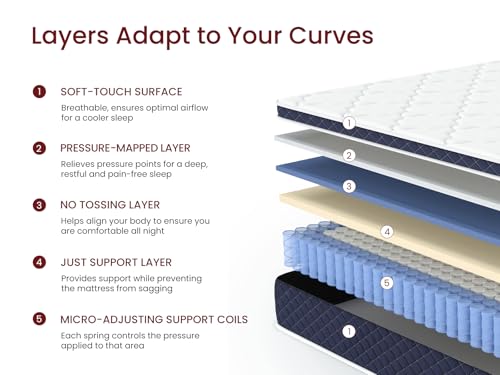
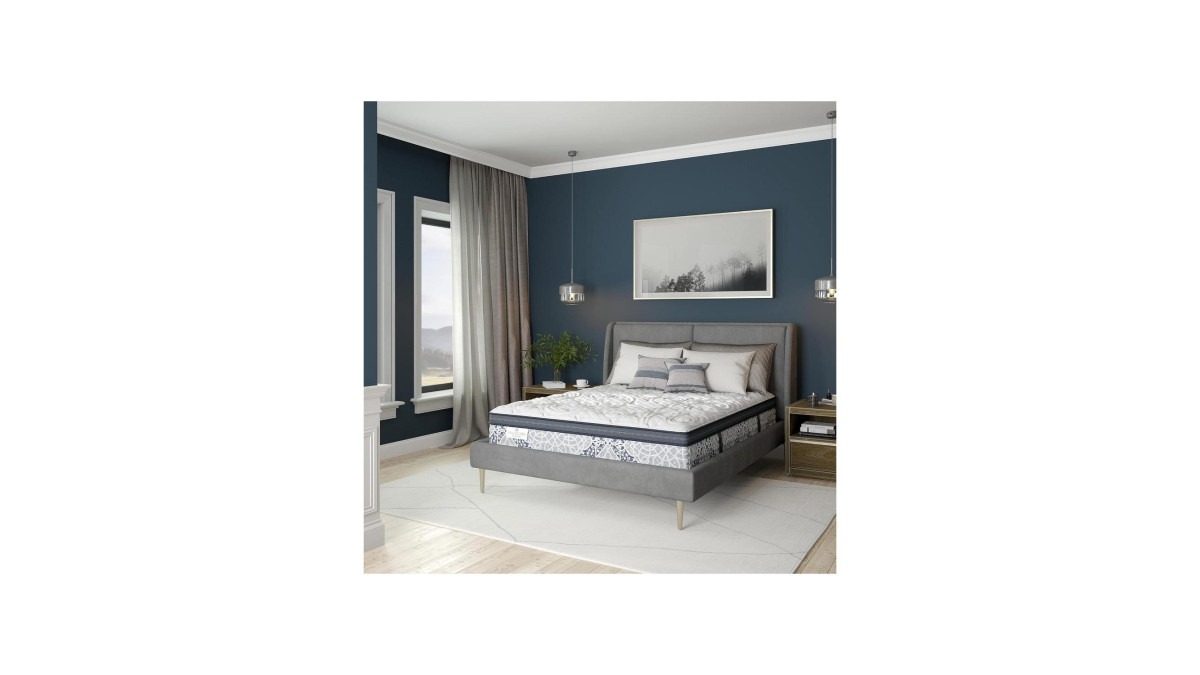
Leave a Reply