
When unexpected guests arrive at your doorstep or you’re planning a camping trip under the stars, the last thing you want is to compromise on sleep quality. The Serta Raised Air Mattress has emerged as one of the most popular inflatable sleeping solutions on the market, promising hotel-like comfort with the convenience of portability. But does this elevated air bed truly deliver on its promises of durability, comfort, and value?

After extensive testing and analyzing hundreds of customer experiences, this comprehensive review will help you determine whether the Serta Raised Air Mattress deserves a place in your home or camping gear. Whether you’re a frequent host, an outdoor enthusiast, or someone who values having a reliable guest bed solution, understanding what this air mattress can and cannot do is crucial to making an informed purchasing decision.
Serta Raised Air Mattress Review:The sleep surface market has evolved dramatically over the past decade, with air mattresses transitioning from flimsy pool toys to sophisticated sleeping systems. Serta, a brand with over 90 years of mattress manufacturing expertise, has leveraged its knowledge to create an inflatable solution that addresses common pain points: uncomfortable sleeping surfaces, difficult inflation processes, and frustrating air leaks that plague budget alternatives.

Product Overview
The Serta Raised Air Mattress represents the brand’s commitment to bringing traditional mattress comfort into the portable sleeping category. Available in multiple sizes and featuring an integrated electric pump, this elevated air bed aims to provide a sleeping experience that closely mimics a conventional mattress.
Product Specifications Table
| Specification | Details |
|---|---|
| Brand | Serta |
| Product Line | Raised Air Mattress with Never Flat Pump |
| Available Sizes | Twin, Queen, King |
| Mattress Height | 18 inches (raised profile) |
| Weight Capacity | Queen: 500 lbs, King: 600 lbs |
| Pump Type | Built-in electric pump (AC powered) |
| Inflation Time | Approximately 4-5 minutes |
| Materials | Puncture-resistant PVC with flocked top |
| Coil System | 35 circular coils (Queen), 40 coils (King) |
| Surface Finish | Soft flocked top, waterproof bottom |
| Dimensions (Queen) | 78″ L x 60″ W x 18″ H |
| Dimensions (King) | 80″ L x 78″ W x 18″ H |
| Deflated Weight | Queen: ~18 lbs, King: ~22 lbs |
| Storage Bag | Included |
| Warranty | 1-year limited manufacturer warranty |
| Price Range | $80-$150 (varies by size and retailer) |
| Release Year | Various models updated annually |
Key Features & Performance
Never Flat Pump System
The standout feature of the Serta Raised Air Mattress is its Never Flat Pump System, which consists of two distinct pumps working in tandem. The primary pump inflates the mattress quickly, while a secondary “never flat” pump runs quietly throughout the night, automatically detecting and compensating for any air loss. This innovative dual-pump system addresses one of the most common complaints about air mattresses: waking up on a deflated, uncomfortable surface.
In real-world testing, the Never Flat technology maintains consistent firmness throughout an 8-hour sleep period, though some users report needing to adjust firmness preferences using the built-in controls. The system draws minimal power (approximately 5 watts for the maintenance pump), making it energy-efficient for extended use.
35-Coil Support System
Unlike cheaper air mattresses that use simple air chambers, the Serta Raised Air Mattress employs a circular coil construction with 35 individual coils in the Queen size and 40 coils in the King. This design mimics the support structure found in traditional innerspring mattresses, providing better weight distribution and reducing the “rolling together” effect that couples often experience on budget air beds.
The coil system creates distinct support zones across the sleeping surface, offering improved spinal alignment compared to single-chamber designs. Users weighing between 150-250 pounds report optimal comfort, while heavier individuals (250+ lbs) may experience more noticeable compression but still find adequate support for short-term sleeping.
Elevated 18-Inch Height
The raised profile of 18 inches offers several practical advantages over low-profile air mattresses. This elevation makes getting in and out of bed significantly easier, particularly beneficial for elderly guests, individuals with mobility issues, or anyone who finds floor-level sleeping uncomfortable. The height also provides better insulation from cold floors during winter use and creates a more traditional bed-like experience.
When compared to standard air mattresses (typically 9-12 inches high), the Serta’s elevated design reduces the camping-like feel and provides a more dignified sleeping arrangement for guests. The added height does require slightly more air to inflate, contributing to the 4-5 minute inflation time.
Flocked Sleeping Surface
The soft flocked top creates a velvet-like texture that prevents sheets from sliding off during the night—a common frustration with vinyl air mattresses. This textured surface also feels more comfortable against bare skin and reduces the squeaky plastic noises associated with traditional air beds. The flocking extends across the entire top surface, creating a consistent sleeping area without seams or uncomfortable transitions.
The waterproof bottom features a different material designed to grip floors and prevent sliding, though users on hardwood or tile floors often report needing a rug underneath for optimal stability.
Quick Inflation and Deflation
The built-in electric pump inflates the Queen size mattress to full firmness in approximately 4-5 minutes, significantly faster than manual or battery-powered pumps. The pump operates on standard 120V AC power and features a simple dial control for adjusting firmness levels. For deflation, the same pump can be used in reverse, compressing the mattress down to a manageable size for storage in about 3-4 minutes.
The inflation process is relatively quiet compared to external pumps, measuring around 65-70 decibels—comparable to normal conversation volume. However, it’s not silent enough to inflate without potentially disturbing light sleepers in adjacent rooms.
Puncture-Resistant Construction
Serta uses a heavy-gauge PVC material rated for puncture resistance, though no air mattress is truly puncture-proof. The material thickness (approximately 0.5mm) provides a good balance between durability and weight. Real-world testing shows the mattress withstands normal use on carpeted and hardwood floors without issue, though sharp objects, pet claws, and outdoor debris can still cause punctures.
The seams utilize high-frequency welding rather than glue, creating stronger bonds that are less likely to separate over time. This construction method contributes to the mattress’s improved longevity compared to budget alternatives.
Pros and Cons
| Pros ✓ | Cons ✗ |
|---|---|
| Never Flat pump system maintains firmness overnight | Requires constant AC power connection |
| 18-inch raised height for easy access | Heavier and bulkier than low-profile alternatives |
| Built-in electric pump for convenience | Not suitable for true wilderness camping |
| Flocked top prevents sheet slipping | Some units develop slow leaks after 6-12 months |
| 35-coil system provides good support | Pump noise may disturb light sleepers |
| Quick 4-5 minute inflation time | Mattress can feel cold without insulating pad |
| Available in three convenient sizes | Limited color options (typically only available in gray) |
| Includes carrying bag for storage | Warranty coverage is limited to 1 year |
| Relatively affordable for the feature set | Initial plastic smell requires airing out |
| Better durability than budget air mattresses | Firmness preferences vary widely among users |
Detailed Review Sections
Design & Build Quality
The Serta Raised Air Mattress presents a professional aesthetic that looks more sophisticated than typical inflatable beds. The gray flocked surface conveys quality, while the subtle Serta branding avoids the garish logos found on some competitors. The rectangular form maintains clean lines when fully inflated, without the balloon-like bulging that plagues poorly designed air beds.
Material Quality: The PVC construction feels substantial to the touch, with noticeable thickness that inspires confidence in durability. The flocking is securely bonded and shows minimal wear even after repeated use and washing. However, the material isn’t immune to damage—sharp jewelry, pet claws, and rough surfaces can still puncture or scratch the surface.
Internal Construction: The circular coil design is visible as subtle dimpling across the sleeping surface when fully inflated. These coils create a more structured feel compared to flat air chambers, though they’re not as pronounced as traditional mattress coils. The internal architecture prevents the mattress from feeling like a balloon, instead creating defined sleeping zones.
Pump Integration: The built-in pump housing is cleverly incorporated into the mattress design, protruding only 3-4 inches from the foot of the bed. The control dial feels sturdy with positive clicks for firmness adjustment, though the plastic housing seems like a potential weak point for long-term durability. The power cord is approximately 6 feet long, sufficient for most bedroom setups but potentially limiting in large spaces.
Edge Support: Unlike traditional mattresses with reinforced perimeters, the Serta Raised Air Mattress has softer edges that compress when sat upon. This is expected for air mattress design but can make getting in and out of bed slightly less stable than a conventional mattress. The raised height compensates somewhat by providing better leverage.
Seam Quality: High-frequency welded seams appear uniform and strong, with no visible glue residue or weak points. The seams connecting the top, bottom, and side panels show good craftsmanship, though they remain the most likely failure points after extended use. Regular inspection of seams can help identify potential issues before complete failure.
Ease of Use
Setup Process: Initial setup is remarkably straightforward. Remove the mattress from its storage bag, unfold it on a flat surface, locate the power cord, plug it in, and turn the dial to inflate. The entire process takes approximately 6-7 minutes from bag to bed, including the 4-5 minute inflation time. First-time users should allow an additional 24 hours for the PVC material to fully stretch and conform, which may require topping off the air level.
Firmness Adjustment: The integrated control dial offers continuous adjustment rather than preset firmness levels, allowing users to fine-tune comfort. However, this analog system lacks precise repeatability—achieving the exact same firmness between uses requires some trial and error. Most users report finding their preferred setting after 2-3 nights of experimentation.
Portability Considerations: At 18 pounds (Queen) and 22 pounds (King), the Serta Raised Air Mattress is manageable for one person to carry but not particularly lightweight. The deflated mattress folds to approximately 24″ x 18″ x 10″, fitting into the included storage bag with some effort. The bag lacks wheels, so transporting for camping requires carrying it like oversized luggage.
Power Requirements: The AC-powered pump limits where the mattress can be used. Standard household outlets work perfectly, but camping use requires access to electricity (RV hookup or generator). No battery or USB-powered option exists, eliminating true off-grid capability. Extension cords work fine, though very long runs (50+ feet) may slightly reduce pump efficiency.
Bedding Compatibility: Standard fitted sheets fit perfectly over the 18-inch height, with Queen sheets working on Queen mattresses and King sheets on King sizes. The flocked surface holds sheets in place far better than vinyl alternatives. Flat sheets, blankets, and comforters work exactly as they would on traditional mattresses, making the bed-making process familiar and straightforward.
Deflation and Storage: Deflation takes 3-4 minutes using the pump in reverse mode, though manually pressing out remaining air speeds the process. The deflated mattress must be folded systematically to fit back into the storage bag—a process that becomes easier with practice. Storing in a cool, dry location away from direct sunlight and sharp objects extends lifespan. The mattress should be completely dry before storage to prevent mildew.
Maintenance Requirements: Beyond keeping the surface clean and storing properly, maintenance is minimal. Occasional spot cleaning with mild soap and water handles most stains. The flocked surface air-dries relatively quickly. Checking for slow leaks every few months and inspecting seams for wear represents the extent of regular maintenance. No special tools or products are required.
Performance
Sleep Quality: The Serta Raised Air Mattress delivers surprisingly comfortable sleep for an inflatable bed, with most users rating it at 7-8 out of 10 compared to their primary mattress. The circular coil system creates a supportive surface that reduces pressure points, while the Never Flat pump maintains consistency throughout the night. Side sleepers report adequate shoulder and hip contouring, though stomach sleepers often prefer firmer settings.
Firmness Consistency: The primary performance advantage over budget air mattresses is nighttime firmness retention. The secondary pump activates approximately every 2-3 hours (though cycles vary), quietly adding air to compensate for natural stretching and minor leaks. Users report waking on essentially the same firmness level they fell asleep on, eliminating the “deflating overnight” problem. However, the system can’t compensate for actual punctures or major leaks.
Motion Isolation: Air mattresses inherently transfer motion more than foam or hybrid mattresses, and the Serta is no exception. When one partner moves or gets up, the other feels some disturbance. However, the coil system performs better than single-chamber designs, with motion dampening slightly across the coil boundaries. Couples report acceptable but not excellent motion isolation—adequate for occasional use but potentially frustrating for nightly sleeping.
Temperature Regulation: Like all air mattresses, the Serta Raised Air Mattress sleeps relatively cool in warm environments but can feel cold in winter. The air inside equilibrates with room temperature, creating a potentially chilly sleeping surface in cold weather. Users address this with mattress pads, heated blankets, or insulating layers between the mattress and sheets. The flocked top helps slightly with warmth retention compared to bare vinyl.
Weight Distribution: The 500-pound weight capacity (Queen) accommodates most couples comfortably, with even distribution across the coil system. Single sleepers weighing up to 250 pounds report excellent support, while heavier individuals may experience more noticeable compression in their primary sleeping area. The mattress maintains shape and support even near capacity, though firmness may need adjustment with heavier loads.
Noise Levels: The secondary Never Flat pump operates at approximately 40-45 decibels—similar to a quiet refrigerator hum. Most sleepers adapt within 1-2 nights and no longer notice the sound. The initial inflation pump is louder (65-70 decibels) but only runs for 4-5 minutes. The mattress surface itself produces minimal squeaking or crinkling sounds, thanks to the flocked covering, though some noise occurs with significant movement.
Edge Performance: Sitting on the edge compresses that area significantly, creating a gradual slope toward the perimeter. This is expected behavior for air mattresses but contrasts with traditional mattress edge support. Getting in and out requires slight care to avoid rolling off the edge. The raised height helps by providing better leverage and making the “drop” to the floor less dramatic.
Long-Term Performance: Users report consistent performance for the first 3-6 months, with some degradation appearing after 6-12 months of regular use. Common issues include the secondary pump running more frequently (indicating increased air loss), slight firmness reduction, and occasional seam stretching. With proper care, the mattress maintains acceptable performance for 1-2 years of regular use or 3-5 years of occasional guest bed use.
Durability & Maintenance
Material Longevity: The heavy-gauge PVC construction outperforms budget air mattress materials but doesn’t match the durability of high-end camping air beds. Users report the material maintains integrity for 1-2 years of regular nightly use or 3-5 years of occasional weekend/guest use. The flocked surface shows remarkable resistance to wear, with minimal pilling or surface degradation even after repeated washing.
Common Failure Points: The most frequent failure mode is slow air leaks developing around seams or valve areas after 6-18 months. The pump mechanism occasionally fails, typically manifesting as reduced inflation power or complete motor failure. The secondary Never Flat pump seems more prone to issues than the primary inflation pump. The power cord connection point is another potential weak spot, with some users reporting intermittent electrical connections after heavy use.
Puncture Resistance: While marketed as puncture-resistant, the Serta isn’t puncture-proof. Sharp objects—from pet claws to forgotten jewelry—can puncture the material. Outdoor use on rough surfaces increases puncture risk significantly. Indoor use on carpeted or wood floors presents minimal risk. The included repair patches work adequately for small punctures (under 1/4 inch), though larger damage often proves difficult to repair effectively.
Seam Integrity: High-frequency welded seams hold up well under normal conditions, showing no separation or weakness during typical use periods. However, over-inflation or excessive weight concentration can stress seams, potentially causing separation. Users who maintain proper inflation levels and avoid bouncing or rough play report excellent seam durability. Regular visual inspection helps identify potential seam issues before catastrophic failure.
Cleaning and Care: The flocked surface cleans easily with mild soap and water, air-drying within 2-3 hours. Harsh chemicals, bleach, and abrasive cleaners should be avoided as they can damage the flocking or PVC material. For stubborn stains, enzyme-based cleaners work well. The waterproof bottom wipes clean easily. Complete drying before storage prevents mildew and odor development.
Storage Impact on Longevity: Proper storage significantly extends mattress lifespan. Storing in moderate temperatures (50-80°F) away from direct sunlight prevents material degradation. Folding the same way repeatedly can create permanent creases and weak points—varying the fold pattern distributes stress. Storing in the included bag protects from dust and pests. Allowing the mattress to breathe occasionally during long-term storage prevents trapped moisture issues.
Repair Options: The included repair kit contains patches and adhesive sufficient for 2-3 small repairs. The repair process involves cleaning the area, applying adhesive, pressing the patch firmly, and allowing 24 hours to cure. Success rates vary—small punctures away from seams repair well, while seam damage or large tears prove challenging. Replacement pumps aren’t readily available, making pump failure a potential end-of-life issue.
Environmental Factors: Extreme temperatures affect durability. Storing in hot attics or garages accelerates PVC degradation, while freezing temperatures can make the material brittle. UV exposure from sunlight causes fading and material breakdown. Pet exposure increases puncture risk significantly. Humidity extremes (very dry or very humid) can affect material flexibility and pump performance.
Customer Experience
Amazon Rating Analysis: The Serta Raised Air Mattress maintains an average rating of 4.2-4.4 out of 5 stars across thousands of verified purchases on Amazon. This places it in the upper-middle range of air mattress ratings, significantly above budget options but below premium camping-specific models. The rating distribution shows approximately 65% 5-star reviews, 15% 4-star, 8% 3-star, 7% 2-star, and 5% 1-star reviews.
Positive Customer Feedback:
Verified buyers consistently praise several aspects:
- Comfort Level: Approximately 70% of reviewers mention sleeping comfortably, with many comparing it favorably to their regular mattress for short-term use
- Never Flat System: Around 60% of positive reviews specifically mention the pump system maintaining firmness overnight as a major advantage
- Easy Setup: Nearly 80% cite quick, hassle-free inflation as a significant positive
- Guest Satisfaction: Hosts report guests providing positive feedback about sleep quality
- Value Proposition: Many reviewers feel the $100-130 price point represents good value for the features provided
Representative positive review themes include: “Our guests couldn’t believe they were sleeping on an air mattress,” “Stayed firm all night unlike our previous air bed,” and “Sets up in minutes when family visits.”
Negative Customer Feedback:
Common complaints appearing in critical reviews:
- Durability Issues: Approximately 30-40% of negative reviews cite developing leaks or pump failures within 6-12 months
- Firmness Preferences: Around 25% of reviewers find the mattress either too firm or too soft, unable to achieve their preferred comfort level
- Pump Noise: About 15% of negative reviews mention the secondary pump disturbing sleep
- Initial Smell: Roughly 20% note an unpleasant chemical odor requiring several days of airing out
- Deflation Overnight: Despite the Never Flat system, 10-15% still report significant firmness loss during sleep
Representative negative review themes include: “Developed a slow leak after 8 months,” “Never could get it firm enough for my preference,” and “The pump noise keeps me awake.”
Customer Service Experiences: Reviews mentioning warranty claims or customer service interactions present mixed experiences. Approximately 50% report satisfactory resolution, typically receiving replacement units for defects within the warranty period. However, another 50% express frustration with warranty claim processes, including requirements for proof of purchase, pictures of defects, and shipping costs for returns. Serta’s customer service responsiveness appears inconsistent, with some users reporting quick resolution and others citing weeks of communication delays.
Demographic Patterns: Analysis of reviewer profiles suggests several user groups:
- Frequent hosts (40% of reviewers) use it 1-3 times monthly for guests and report high satisfaction
- Primary bed users (15% of reviewers) use it nightly due to space constraints and report more mixed experiences
- Occasional users (35% of reviewers) use it a few times yearly and generally express satisfaction
- Campers/RV users (10% of reviewers) appreciate the convenience where power is available
Return Rates: While exact return rates aren’t publicly available, analysis of “returned” mentions in reviews suggests approximately 15-20% of purchasers return or exchange the product, typically due to defects, firmness preferences, or developing leaks. This rate aligns with industry averages for mid-range air mattresses.
Price & Value for Money
Current Pricing: The Serta Raised Air Mattress typically retails between $80-$150 depending on size and retailer:
- Twin size: $80-$100
- Queen size: $100-$130
- King size: $120-$150
Prices fluctuate based on sales, with significant discounts during Black Friday, Prime Day, and seasonal promotions sometimes dropping prices 20-30%.
Competitive Positioning: At $100-$130 for the Queen size, the Serta positions itself in the mid-range air mattress category. This pricing sits above budget options ($40-$70) but below premium air beds ($200-$400) and high-end camping mattresses ($300-$600). The price point reflects the Never Flat pump technology, coil construction, and brand reputation.
Cost Per Use Analysis: For guest bed scenarios where the mattress is used 12-20 times per year, the effective cost per use ranges from $5-$10 in the first year, decreasing to $2-$4 in subsequent years. For nightly use (365 nights per year), the first-year cost per night is approximately $0.35, though durability concerns make nightly use less economical long-term.
Feature Value Assessment:
Evaluating features against cost:
- Built-in pump: Adds approximately $30-40 value compared to manual options
- Never Flat system: Justifies an additional $20-30 premium over single-pump designs
- Coil construction: Represents roughly $15-20 additional value over simple air chambers
- Brand reputation: Serta name recognition adds perceived value, though not necessarily performance value
The total feature set justifies the $100-130 price point for occasional use, though nightly users might find better value in budget traditional mattresses or higher-end air beds.
Long-Term Cost Considerations:
Total ownership costs extend beyond purchase price:
- Electricity: The Never Flat pump adds approximately $2-5 annually in electricity costs
- Replacement sheets: Standard sheets work, requiring no additional investment
- Mattress pads/toppers: Many users purchase $20-50 toppers for comfort or temperature regulation
- Repair supplies: Beyond included patches, additional repair costs average $10-15 over the mattress’s lifetime
- Replacement timeline: At 1-3 years typical lifespan, annual amortized cost ranges from $33-$130
Warranty Value: The 1-year limited warranty provides baseline protection against manufacturing defects but doesn’t cover normal wear, punctures, or comfort preferences. This standard warranty period is typical for the category but shorter than some competitors offering 2-3 year coverage. Extended warranty options are occasionally available through retailers at $15-30, though value is questionable given typical failure patterns.
Alternative Budget Allocations:
Comparing investment options for similar budgets:
- $100 budget traditional mattress: May find lower-quality foam or innerspring options, though less versatile
- $100-130 on camping pad: Could purchase high-quality sleeping pads for 2-3 people, though less suitable for home guest use
- $100-130 futon addition: Permanent solution but less portable and requires more space
- Two $50 budget air mattresses: Backup redundancy but sacrifices quality
Resale Value: Air mattresses have minimal resale value regardless of condition due to hygiene concerns and unknowable usage history. Plan on using the mattress until failure rather than recouping investment through resale.
Overall Value Verdict: For occasional guest bed use (20-40 nights per year), the Serta Raised Air Mattress offers good value, delivering comfort and convenience at a reasonable price point. For nightly use, value proposition weakens significantly due to durability limitations and availability of comparably priced traditional mattress options. For camping with electrical access, value depends heavily on frequency of use—frequent campers might justify investment, while occasional users might prefer budget alternatives.
Comparison Table
| Feature | Serta Raised Air Mattress | Intex Comfort Plush | Coleman SupportRest | SoundAsleep Dream Series |
|---|---|---|---|---|
| Price (Queen) | $100-$130 | $60-$80 | $70-$90 | $140-$180 |
| Height | 18 inches | 22 inches | 18 inches | 19 inches |
| Pump Type | Never Flat dual pump | Single electric pump | Built-in electric | Built-in electric |
| Coil Count | 35 circular coils | 21 air beams | ComfortStrong coils | 40 air coils |
| Inflation Time | 4-5 minutes | 3-4 minutes | 3-4 minutes | 3-4 minutes |
| Weight Capacity | 500 lbs | 600 lbs | 600 lbs | 500 lbs |
| Warranty | 1 year | 90 days | 1 year | 1 year |
| Amazon Rating | 4.2/5 stars | 4.1/5 stars | 4.0/5 stars | 4.5/5 stars |
| Best For | Guest bed use | Budget-conscious buyers | Camping with power | Premium home use |
| Top Feature | Never Flat system | Extra height | Rugged construction | Highest user ratings |
| Main Drawback | Moderate durability | Basic construction | Heavier weight | Higher price point |
Comparative Analysis:
The Serta distinguishes itself through the Never Flat pump system, which none of the direct competitors offer at this price point. The Intex Comfort Plush provides similar features at lower cost but lacks the secondary pump and Serta brand reputation. Coleman’s SupportRest targets outdoor enthusiasts with more rugged construction, while the SoundAsleep Dream Series represents a step up in quality and price, earning higher customer ratings but commanding a 30-40% price premium.
For pure home guest bed use, the Serta offers the best balance of features and price. For camping-specific needs, the Coleman provides better outdoor durability. For buyers prioritizing maximum comfort and willing to spend more, the SoundAsleep represents the upgrade path. For budget-constrained shoppers, the Intex delivers acceptable performance at lower investment.
Who Should Buy This Product?
Ideal Customer Profiles
Frequent Hosts and Entertainers: If you regularly have family or friends staying overnight—whether for holidays, special events, or extended visits—the Serta Raised Air Mattress excels in this role. The quick setup means you can transform any room into a guest bedroom in minutes, and the Never Flat system ensures your guests sleep comfortably without mid-night adjustments. The elevated height provides a more dignified sleeping arrangement than floor-level alternatives, making guests feel genuinely welcome.
Small Space Dwellers: Apartment residents, studio occupants, and those in compact homes benefit enormously from the space-saving nature of this air mattress. When not in use, it stores in a closet or under a bed, freeing valuable floor space. The ability to provide comfortable sleeping accommodations without dedicating an entire room to a permanent guest bed makes it ideal for urban living situations.
RV and Camper Owners: For recreational vehicle enthusiasts with electrical hookups, this air mattress offers home-like comfort on the road. It fits well in RV interiors, sets up quickly at campsites with power access, and the raised height makes it more comfortable than many built-in RV beds. The portability means you can also use it at home, maximizing the investment.
College Students and Young Professionals: Those in transitional living situations—whether in dorms, temporary housing, or first apartments—find excellent value in the Serta. It provides comfortable sleeping without the commitment and expense of traditional furniture, and it’s easy to move when relocating. The affordability aligns with typical student and young professional budgets.
Temporary Living Situations: Individuals between homes, in temporary job assignments, or dealing with home renovations appreciate having a quality sleeping surface that requires no furniture delivery or disposal hassles. The mattress provides comfort during transition periods and stores easily once the situation resolves.
Parents of Young Adults: When college-aged children visit home during breaks, having comfortable sleeping accommodations maintains comfort without dedicating permanent bedroom space. Similarly, parents of adult children who visit with families benefit from having flexible sleeping arrangements for grandchildren.
Budget-Conscious Households: Families who want to provide guest accommodations without investing $500-$1,500 in a traditional guest bed setup (mattress, frame, box spring) find the Serta offers a pragmatic compromise between comfort and cost.
Who Should Consider Alternatives
Daily Sleepers Seeking Primary Bed: While the Serta can function as a nightly sleeping surface, those seeking a primary mattress for long-term daily use should consider traditional mattresses. The durability and comfort longevity don’t match conventional mattresses for sustained nightly use over years.
Wilderness Campers: True backcountry campers without electrical access need battery-powered or manual pump alternatives. The AC power requirement makes the Serta impractical for genuine wilderness camping, though car camping with generators might work.
Heavy Sleepers Over 250 lbs: While the weight capacity technically accommodates heavier individuals, those substantially over 250 pounds may find compression and firmness issues frustrating. Heavy couples (combined weight over 450 lbs) should consider alternatives with higher weight capacities and more robust support systems.
Ultra-Light Weight Seekers: Backpackers, bike tourists, or anyone prioritizing minimum weight should explore ultralight camping pads. At 18-22 pounds, the Serta is portable but not ultralight.
Luxury Seekers: Those accustomed to high-end memory foam, latex, or premium innerspring mattresses and unwilling to compromise on sleep quality should invest in premium air bed alternatives ($300+) or maintain traditional guest bed furniture.
Pet Owners with Destructive Pets: Households with dogs or cats that have sharp claws and bed-sharing habits face high puncture risk. Unless the mattress will be used in a pet-free room with closed doors, pet damage may shorten lifespan unacceptably.
Environmental Extremes: Users in very hot attics, cold basements, or environments with temperature extremes may experience accelerated material degradation or discomfort from temperature transfer through the air-filled chambers.
Use Case Scenarios
Holiday Guest Accommodations: Thanksgiving, Christmas, and other family gathering times when multiple guests need sleeping arrangements simultaneously.
Wedding Weekends: Out-of-town wedding guests staying at your home benefit from comfortable sleeping without hotel expenses.
Children’s Sleepovers: Parent-supervised sleepovers where multiple children need sleeping spaces in family rooms or finished basements.
Post-Surgery Recovery: Temporary ground-floor sleeping when stairs become challenging during recovery periods (though medical air mattresses may be more appropriate for extended medical needs).
Home Office Flexibility: Offices that convert to guest rooms when needed, maintaining professional space most of the time.
Elderly Parent Visits: When aging parents visit but can’t manage stairs or guest rooms are on second floors, the portability allows comfortable first-floor sleeping.
Buying Guide: How to Choose the Right Air Mattress
Essential Features to Consider
Pump Type and Power Source
The pump mechanism dramatically affects user experience and determines where you can use the mattress:
- Built-in Electric Pumps: Most convenient option, inflating in 3-5 minutes with simple operation. Requires AC power (120V standard outlets), limiting outdoor use to areas with electrical access. Look for pumps with at least 120-watt motors for efficient inflation. The Serta’s integrated pump exemplifies this category.
- External Electric Pumps: Separate pumps offer flexibility—if the pump fails, you can replace it independently. However, they require storage space and create an additional component to track. Less convenient than built-in options.
- Battery-Powered Pumps: Offer portability without electrical requirements but inflate more slowly (8-15 minutes) and require fresh batteries or recharging. Appropriate for occasional camping but frustrating for frequent use.
- Manual Pumps: Foot or hand pumps provide true off-grid capability but require physical effort and 15-30 minutes of pumping. Only practical for occasional use or emergency situations.
- Dual Pump Systems: Advance feature like the Serta’s Never Flat technology, where a primary pump inflates and a secondary pump maintains firmness. Adds cost but significantly improves overnight comfort by compensating for natural air loss.
Support Structure and Construction
Internal architecture determines comfort, durability, and how the mattress feels:
- Coil/Beam Systems: Internal coils or beams (like the Serta’s 35-coil design) create structure similar to traditional innerspring mattresses. These provide better support, weight distribution, and edge definition than simple air chambers. Look for 20+ coils in Queen sizes for adequate support.
- Single-Chamber Design: Budget mattresses use simple air bladders without internal structure. These feel more like pool floats—soft, unstable, and prone to rolling together for couples. Avoid for quality sleep experiences.
- Multi-Chamber Systems: Some premium models use separate air chambers for different body zones or individual adjustment for couples. Adds complexity and cost but maximizes customization.
- I-Beam Construction: Horizontal supports running across the mattress width, preventing over-expansion and creating flatter sleeping surfaces. Effective mid-range solution between single-chamber and coil designs.
Material Quality and Thickness
PVC gauge determines puncture resistance and longevity:
- Thickness: Look for materials at least 0.40-0.50mm thick. Thinner materials (0.20-0.30mm) puncture easily and don’t withstand regular use. The Serta’s heavy-gauge PVC falls in the acceptable range.
- Flocked vs. Vinyl Tops: Flocked surfaces (like the Serta) feel softer, hold sheets better, and reduce noise compared to bare vinyl. The flocking should be securely bonded to prevent peeling. Vinyl tops cost less but create slippery, noisy sleeping surfaces.
- Waterproof Bottom: Essential for spill protection and preventing moisture from the floor from entering the mattress. Textured bottoms improve grip on smooth floors.
- Seam Construction: High-frequency welding creates stronger, more durable seams than glued joints. Examine seams for uniformity and lack of glue residue.
Height and Profile
Mattress elevation affects comfort, accessibility, and portability:
- Low Profile (9-12 inches): More portable, lighter, and requires less air, making inflation faster. However, getting up from floor level proves difficult for elderly users or those with mobility limitations. Best for camping or occasional emergency use.
- Mid Profile (13-16 inches): Compromise between portability and accessibility. Acceptable for most users but still requires bending to floor level.
- Raised Profile (17-22 inches): Like the Serta’s 18-inch height, these approximate traditional bed height, making ingress and egress much easier. Better insulation from cold floors. Heavier and bulkier when deflated, and require more air (longer inflation times).
Size Selection
Choose based on who will sleep on the mattress:
- Twin (39″ x 75″): Single sleepers, children, or tight spaces. Maximum versatility for movement between rooms.
- Full (54″ x 75″): Single adults who want more space or couples willing to sleep close together. Less common in air mattress market.
- Queen (60″ x 80″): Most popular size, accommodating couples comfortably or providing luxurious space for single sleepers. The Serta Queen represents the sweet spot of comfort, versatility, and portability.
- King (76″ x 80″): Maximum space for couples or families with young children. Significantly heavier, bulkier, and harder to store. Only justified if space and storage aren’t concerns.
Weight Capacity
Ensure the mattress can support your actual use:
- Single Sleepers: 300-400 lb capacity adequate for most individuals. Add margin for restless sleeping movement.
- Couples: Look for 500+ lb capacity (like the Serta Queen’s 500 lb rating). Consider combined weight plus mattress pad, bedding, and movement forces.
- Families: If children may join you, account for additional weight. Some models support 600-750 lbs for large families.
Inflation and Deflation Speed
Time matters when setting up for guests:
- Fast Inflation: 3-5 minutes from flat to firm represents excellent performance. The Serta’s 4-5 minute inflation falls in this category.
- Standard Inflation: 5-8 minutes acceptable for occasional use but frustrating if you set up frequently.
- Slow Inflation: 8+ minutes indicates underpowered pump or oversized mattress for the pump capacity. Avoid unless no alternative exists.
- Deflation Speed: Should deflate in similar time frame. Quick-deflate valves that allow manual air expulsion speed the process significantly.
Advanced Features to Look For
Never Flat or Auto-Adjust Technology: Secondary pumps that monitor and maintain firmness automatically. This technology, featured in the Serta, addresses the most common air mattress complaint. Worth the 20-30% price premium for regular use.
Adjustable Firmness Controls: Dial or button controls allowing continuous or preset firmness adjustment without adding or removing air manually. Digital controls with memory settings represent the premium implementation.
Integrated Pillows or Headboards: Built-in headboard sections or pillow tops eliminate the need for separate pillows for camping use. Unnecessary for home guest bed scenarios where traditional pillows work fine.
Carry Bags and Storage Solutions: Quality storage bags with handles ease transportation and protect the mattress during storage. Wheeled bags enhance portability significantly for frequent movers.
Repair Kits: Look for included patch kits with adhesive. Quality matters—some included kits don’t bond well or patches are too small for typical punctures.
Warranty Length and Coverage: Standard 1-year warranties (like the Serta’s) provide baseline protection. Look for 2-3 year warranties on premium models, but read fine print—many exclude punctures, normal wear, and comfort issues.
Common Mistakes to Avoid
Over-Inflation: The single most common error. Users often inflate too firmly, creating board-like surfaces that stress seams and cause discomfort. Start at 80% inflation and adjust upward gradually. Over-inflated mattresses fail faster.
Outdoor Use Without Protection: Using air mattresses directly on rough ground without tarps or protective layers invites punctures. Always place protective barriers between the mattress and abrasive surfaces.
Ignoring Temperature Effects: Air expands when warm and contracts when cold. Mattresses inflated in warm rooms feel softer when moved to cool rooms, while those inflated in cold spaces feel firmer as they warm. Account for temperature when setting initial firmness.
Improper Storage: Folding the same way repeatedly creates permanent creases and weak points. Store in cool, dry locations away from direct sunlight, which degrades PVC. Ensure complete dryness before storage to prevent mildew.
Skipping Initial Stretch Period: First-time inflation should remain at full firmness for 24-48 hours to allow material to stretch fully. Sleeping on it immediately may require mid-night adjustment as material settles.
Using Sharp Objects Near the Mattress: Jewelry, belt buckles, pet claws, and sharp-edged objects cause most punctures. Remove jewelry before bed, keep pets away, and clear the sleeping area of potential hazards.
Expecting Traditional Mattress Performance: Air mattresses can’t replicate the exact feel or durability of quality traditional mattresses. Set realistic expectations—they’re excellent for temporary sleeping but compromise on some comfort aspects for portability and convenience.
Neglecting Regular Inspection: Monthly visual inspections catch slow leaks early before they become problematic. Check seams, valve areas, and high-wear zones regularly.
Choosing Based Solely on Price: The cheapest option often costs more long-term through early replacement. Mid-range options like the Serta typically offer the best balance of features, quality, and longevity.
Budget Planning
Initial Purchase Cost: Budget $80-$150 for quality mid-range options. Adding $20-$50 for mattress pads or toppers improves comfort significantly.
Operating Costs: Electricity for Never Flat pumps adds $2-5 annually—negligible but worth noting for daily use calculations.
Replacement Timeline: Quality air mattresses last 1-3 years with regular use, 3-5 years with occasional use. Budget for replacement rather than expecting indefinite lifespan.
Accessories to Consider:
- Mattress pad or topper: $20-$60
- Repair patches (beyond included): $8-$15
- Storage bag upgrade (if needed): $15-$30
- Extension cord (for remote setup): $10-$20
Testing Before Committing
Trial Inflation: If purchasing from stores with display models, test the inflation process. Observe pump noise, inflation speed, and control usability.
Return Policies: Verify return windows (typically 30 days) and conditions. Some retailers charge restocking fees for opened air mattresses; others offer full refunds.
Initial Testing Period: Use the mattress yourself before hosting guests. This allows you to identify issues, determine optimal firmness, and ensure functionality without embarrassment.
Check Warranty Registration: Register the product immediately after purchase to activate warranty coverage. Save receipts and documentation.
Frequently Asked Questions (FAQs)
Setup and Operation
1. How long does it take to inflate the Serta Raised Air Mattress?
The Serta inflates to full firmness in approximately 4-5 minutes for the Queen size, and 5-6 minutes for the King size. Inflation time depends on starting temperature (cold air compresses more, requiring slightly longer) and altitude (higher elevations may add 30-60 seconds). First-time inflation may take slightly longer as the material stretches. The built-in pump operates at approximately 120 watts, providing efficient inflation without overheating.
2. Do I need to plug it in all night for the Never Flat pump to work?
Yes, the mattress must remain plugged in overnight for the Never Flat system to function. The secondary pump monitors air pressure and automatically activates every 2-3 hours to maintain your selected firmness level. The system draws minimal power (approximately 5 watts) during standby mode, adding less than $0.01 per night to your electricity bill. If you unplug the mattress, it will function like a standard air bed without automatic firmness maintenance.
3. Can I adjust the firmness after it’s inflated?
Absolutely. The integrated control dial allows continuous firmness adjustment at any time. Turn clockwise to add air and increase firmness; turn counterclockwise to release air and soften the mattress. The adjustment process takes 30-60 seconds to noticeably change firmness. Most users experiment for 2-3 nights to find their optimal setting, then maintain that level with the Never Flat system.
4. What happens if there’s a power outage while someone is sleeping on it?
The mattress retains its air during power outages; it doesn’t suddenly deflate. The Never Flat system simply stops monitoring and maintaining firmness. Depending on the mattress’s condition and the sleeper’s weight, you may experience gradual softening over several hours—similar to a standard air mattress without the maintenance pump. Once power is restored, the system resumes normal operation. For areas with frequent outages, consider keeping the mattress at slightly higher firmness than preferred.
5. How do I know when it’s fully inflated?
The mattress reaches full inflation when it feels firm to hand pressure and the surface appears smooth without wrinkles or sagging areas. The pump will continue running but the pressure increase becomes minimal. Most users achieve proper inflation by listening for the motor sound to deepen slightly as resistance increases, then adjusting firmness to preference. Over-inflation makes the surface too hard and stresses seams—aim for firm but with slight give when pressed.
6. Can I use an extension cord with the built-in pump?
Yes, standard household extension cords work fine with the Serta’s pump. Use 14-gauge or heavier cords for runs up to 50 feet, and 12-gauge for longer distances. Avoid thin extension cords (16-gauge or lighter) as they may reduce pump efficiency. Ensure the cord is rated for at least 10 amps. Very long cord runs (over 100 feet) may slightly slow inflation time but won’t damage the pump.
Comfort and Sleep Quality
7. How does sleeping on this compare to a regular mattress?
The Serta provides surprisingly comfortable sleep for an air mattress, with most users rating it 7-8 out of 10 compared to their regular bed. The circular coil system creates better support than simple air chambers, reducing pressure points. However, it doesn’t perfectly replicate traditional mattress feel—you’ll notice more bounce, some motion transfer, and slightly different firmness characteristics. For occasional guest use, most sleepers find it completely acceptable; for nightly use, expectations should be adjusted.
8. Is it comfortable for side sleepers?
Yes, the Serta accommodates side sleepers reasonably well, particularly when inflated to medium-soft firmness that allows shoulder and hip contouring. Side sleepers weighing 130-200 pounds report the best comfort, with adequate pressure point relief. Heavier side sleepers (200+ lbs) may experience more noticeable compression in shoulder and hip areas, potentially requiring firmer inflation. Adding a 2-inch mattress topper significantly improves side sleeping comfort for those who find the base mattress insufficient.
9. Will I feel cold sleeping on an air mattress?
Air mattresses tend to sleep cooler than traditional mattresses because the air inside equilibrates to room temperature, creating a potentially chilly sleeping surface in winter. The flocked top helps slightly with warmth retention, but most users in cold climates benefit from adding a mattress pad, fitted quilted protector, or even an electric blanket beneath fitted sheets. In warm weather, the cooling effect can actually be pleasant. The temperature issue is characteristic of all air mattresses, not specific to the Serta.
10. Does it make noise when you move during sleep?
The Serta produces minimal noise during sleep movement, thanks to the flocked surface covering. Unlike bare vinyl air mattresses that squeak and crinkle with every motion, the flocking dampens these sounds significantly. You’ll hear some quiet rustling with major position changes, but it’s substantially quieter than budget alternatives. The secondary Never Flat pump emits a low hum (40-45 decibels) when it activates every few hours, which most sleepers adapt to within 1-2 nights, though light sleepers may remain aware of it.
11. Can two people sleep comfortably on the Queen size?
Yes, the Queen size (60″ x 80″) accommodates most couples comfortably, though with less space than a traditional Queen mattress. Partners weighing a combined 400-450 pounds report adequate comfort for occasional sleeping. The coil system helps with weight distribution and reduces the rolling-together effect, though some couples still migrate toward the center during sleep. Very tall individuals (over 6’3″) or couples who prefer lots of personal space might find the King size more comfortable.
12. How firm should I inflate it for the best sleep?
Optimal firmness varies by body weight, sleeping position, and personal preference. As a starting point: lightweight sleepers (under 130 lbs) typically prefer medium to medium-soft; average weight sleepers (130-200 lbs) usually find medium-firm optimal; heavier sleepers (200+ lbs) often need firm inflation. Side sleepers generally prefer softer settings than back or stomach sleepers. Start at medium-firm and adjust over 2-3 nights until you find your sweet spot. The Never Flat system maintains whatever level you choose.
Durability and Maintenance
13. How long will this air mattress last?
With proper care and occasional use (20-40 nights per year), the Serta typically lasts 3-5 years before developing issues. Regular nightly use accelerates wear, with 1-2 years being more realistic for daily sleeping. The most common failure modes are slow leaks developing around seams or pump mechanisms failing. Material quality and the Never Flat system contribute to above-average longevity compared to budget air mattresses. Proper storage, avoiding sharp objects, and preventing over-inflation maximize lifespan.
14. What should I do if it develops a slow leak?
First, locate the leak by inflating the mattress fully, then systematically listening and feeling for escaping air, or applying soapy water to suspected areas and watching for bubbles. Once located, clean and dry the area thoroughly. Use the included patch kit or purchase vinyl repair patches from hardware stores. Apply adhesive to both the patch and mattress surface, press firmly, and allow 24 hours to cure before re-inflating. Small punctures (under 1/4 inch) away from seams repair successfully; larger damage or seam separation proves more challenging and may require professional repair or replacement.
15. How do I clean the mattress?
For routine cleaning, wipe the flocked surface with a damp cloth and mild soap solution, then air-dry completely (2-3 hours). For stains, use a soft brush with the soap solution, scrubbing gently to avoid damaging the flocking. Enzyme-based cleaners work well for biological stains. The waterproof bottom wipes clean easily with disinfectant wipes. Never use bleach, harsh chemicals, or abrasive cleaners that could damage PVC or flocking. Ensure complete drying before storage to prevent mildew and odors.
16. Can I use it outdoors?
The Serta can be used outdoors where electrical power is available (RV campgrounds, cabin porches, backyard camping with extension cords), but take precautions. Always place a protective tarp or ground cloth beneath the mattress to prevent punctures from sticks, rocks, or rough ground. Avoid direct sunlight exposure, which degrades PVC material. Don’t leave it inflated outdoors during rain or for extended periods. For true wilderness camping without power, battery-powered or manual pump alternatives are more appropriate.
17. What causes air mattresses to deflate overnight?
Several factors contribute to perceived deflation: (1) Material stretching during first uses as PVC adjusts to pressure; (2) Temperature changes—air contracts as it cools, making the mattress feel softer in the morning; (3) Slow leaks from punctures, seam separation, or valve issues; (4) Over-inflation causing stress and tiny air escapes. The Serta’s Never Flat system addresses these issues by automatically adding air as needed. If you still experience significant deflation despite the secondary pump running, inspect for leaks.
18. How should I store it when not in use?
Completely deflate the mattress using the pump, then manually press out remaining air. Fold systematically (varying the fold pattern occasionally to prevent permanent creases) and place in the included storage bag. Store in a cool, dry location (50-80°F) away from direct sunlight, heating vents, and sharp objects. Basements and interior closets work well; avoid hot attics or garages. Ensure the mattress is completely dry before storage to prevent mildew. Allowing it to “breathe” every 3-4 months during long-term storage helps prevent trapped moisture issues.
19. Is the warranty worth anything?
The 1-year limited manufacturer warranty covers defects in materials and workmanship but excludes normal wear, punctures, tears, or comfort preferences. If the pump fails due to manufacturing defect within the first year, the warranty should cover replacement. However, customer service experiences vary, and you’ll need proof of purchase, photos of defects, and patience with the claims process. The warranty provides baseline protection against early failures but isn’t comprehensive coverage. Extended warranties from retailers add cost with questionable value given typical failure patterns falling outside covered scenarios.
20. Can pets sleep on this mattress?
Pet use is strongly discouraged due to puncture risk from claws. Even well-trimmed nails can puncture or scratch air mattress surfaces, particularly during jumping on or off the bed, scratching, or digging behaviors. If you must allow pet access, place multiple protective layers (thick blankets, quilted mattress pads) between the pet and the mattress surface, and supervise closely. Consider designating the air mattress as a pet-free zone and providing alternative pet sleeping arrangements during guest visits.
Size and Specifications
21. What are the exact dimensions of the Queen size?
The Serta Raised Air Mattress in Queen measures 78 inches long x 60 inches wide x 18 inches high when fully inflated. When deflated and folded, it compresses to approximately 24″ x 18″ x 10″ in the storage bag. The inflated dimensions match standard Queen bed size, so standard Queen fitted sheets fit perfectly. The 18-inch height approximates the profile of traditional mattresses (including box springs), making it accessible without excessive bending.
22. How much does it weigh?
The Queen size weighs approximately 18 pounds, while the King weighs about 22 pounds. This includes the integrated pump system. While not ultralight, the weight is manageable for one person to carry from storage to setup location. The weight comes primarily from the built-in pump motor and heavy-gauge PVC construction. For comparison, traditional Queen mattresses weigh 60-150 pounds, making the Serta dramatically more portable.
23. Will it fit through doorways and up stairs when inflated?
No, the mattress cannot navigate doorways or stairs when inflated—you must deflate it for movement between rooms. When inflated, the Queen’s 60-inch width exceeds standard doorways (typically 32-36 inches). Always plan to inflate the mattress in its final sleeping location. The deflated mattress in its storage bag easily navigates all doorways, stairwells, and tight spaces, making multi-level homes manageable with planning.
24. What’s the weight capacity, and what happens if I exceed it?
The Queen size supports up to 500 pounds, and the King supports 600 pounds. These capacities include combined sleeper weight, bedding, and mattress pads. Exceeding capacity causes excessive compression, increased stress on seams, faster air loss, and reduced comfort. The mattress won’t immediately fail if you exceed weight limits by small margins, but durability and comfort suffer. For sleepers consistently near or over capacity, consider the King size or explore alternative mattresses designed for heavier users.
25. Does bed height matter for sleeping comfort?
The 18-inch height significantly improves user experience compared to low-profile air mattresses (9-12 inches). Benefits include: easier ingress and egress (particularly for elderly or mobility-impaired guests), better insulation from cold floors, more traditional bed feel reducing the “camping” impression, and improved dignity for guests who might feel awkward sleeping near the floor. The trade-off is slightly longer inflation time and heavier weight when deflated, but most users find the elevated profile worth these minor inconveniences.
Bedding and Accessories
26. Do I need special sheets for this mattress?
No, standard Queen fitted sheets fit the Queen size mattress, and standard King sheets fit the King. The 18-inch height accommodates most fitted sheets designed for standard or deep-pocket mattresses. The flocked surface grips sheets well, preventing the frustrating sheet-sliding that occurs on bare vinyl air mattresses. Use the same bedding you’d use on a traditional mattress—fitted sheet, flat sheet, blankets, and comforters all work normally.
27. Should I use a mattress pad or topper?
While not required, adding a 1-2 inch mattress pad significantly improves comfort, warmth, and overall sleep quality. Mattress pads provide: additional cushioning for pressure points, improved temperature regulation (reducing cold sensation), protection for the mattress surface extending lifespan, and more familiar sleeping feel. Egg-crate foam, memory foam, or quilted cotton pads all work well. Budget $20-$60 for quality pads. For occasional guest use, the mattress performs adequately without additions; for regular use, toppers are highly recommended.
28. Will an electric blanket work with this mattress?
Yes, but place the electric blanket BETWEEN the mattress and fitted sheet (heating from below) rather than on top of the sleeper. This arrangement warms the sleeping surface without direct contact with the PVC material, which could potentially be damaged by prolonged heat exposure. Set electric blankets to low or medium settings. Alternatively, heated mattress pads designed for air mattresses provide better temperature distribution and safety features.
29. Can I use my regular bed frame?
The Serta can be placed on bed frames, platform beds, or box springs for easier access and additional height, though it’s designed to sit directly on floors. If using a frame, ensure it has solid support slats (no gaps wider than 3 inches) to prevent the mattress from sagging between slats. The mattress’s waterproof bottom may be slippery on smooth frame surfaces—add a thin rubber mat or rug pad underneath to prevent sliding. Most users prefer floor placement for stability.
30. What accessories are included in the box?
The Serta Raised Air Mattress includes: the inflatable mattress with integrated pump, storage/carry bag with handles, small repair patch kit (typically 2-3 patches with adhesive), and instruction manual. You’ll need to provide your own bedding, extension cord (if setup location is far from outlets), and any desired mattress pads or toppers. Some retailers bundle additional items like pillows or upgraded patch kits as promotional packages.
Technical and Safety Questions
31. What’s the power consumption of the Never Flat pump?
The primary inflation pump draws approximately 120 watts during the 4-5 minute inflation process, consuming roughly 0.01 kWh per inflation cycle. The secondary Never Flat maintenance pump draws approximately 5 watts during operation and cycles on for 1-2 minutes every 2-3 hours, consuming negligible electricity. Over a full night (8 hours), total consumption is approximately 0.015-0.02 kWh, costing less than $0.01 in most U.S. electricity markets. Annual electricity cost for nightly use is roughly $2-5.
32. Is it safe to leave plugged in continuously?
Yes, the Serta is designed for continuous power connection while in use. The pump system includes thermal protection to prevent overheating, and the Never Flat maintenance pump operates on a duty cycle (on briefly, then off for extended periods) preventing continuous motor operation. However, for safety and energy conservation, unplug when not in use for extended periods (more than a few days). The continuous connection primarily matters during active sleeping periods when firmness maintenance is desired.
33. Can children sleep safely on this mattress?
Children can sleep safely on the Serta with proper supervision and precautions. The flocked surface is non-toxic, and the mattress doesn’t emit harmful fumes beyond initial slight PVC smell (which dissipates after airing). However, supervise very young children (under 6) to prevent jumping, which could cause injury or mattress damage. Keep the power cord secured to prevent tripping hazards. Infants should not sleep on air mattresses due to suffocation risk from soft surfaces. For children 6 and older, the mattress provides safe, comfortable sleeping with standard precautions.
34. Are there any fire safety concerns?
The Serta meets standard consumer product safety requirements but isn’t treated with fire retardants like some traditional mattresses. Keep away from open flames, candles, cigarettes, and heat sources. The PVC material can melt or ignite if exposed to sufficient heat. Don’t use electric blankets on maximum settings directly against the mattress surface. Standard bedroom fire safety practices (working smoke detectors, no smoking in bed, keeping space heaters at safe distances) apply equally to air mattresses.
35. Does it emit any harmful chemicals or odors?
New Serta mattresses may emit a slight PVC “new plastic” smell during first inflation, common with vinyl products. This odor typically dissipates within 24-72 hours of airing in a well-ventilated space. The materials meet consumer safety standards and don’t contain phthalates or other harmful chemicals above regulatory limits. To minimize odor: inflate the mattress in a well-ventilated area 24-48 hours before first use, wipe down the surface with mild soap and water, and allow complete air circulation. The flocked surface produces less odor than bare vinyl alternatives.
Comparison and Alternatives
36. How does this compare to SoundAsleep Dream Series?
The SoundAsleep Dream Series ($140-180) represents a step up in quality, featuring 40 air coils versus the Serta’s 35, thicker PVC construction, and higher customer ratings (4.5 vs. 4.2 stars). However, the SoundAsleep lacks the Never Flat secondary pump, instead offering a single pump system with external firmness control. For home guest bed use, the Serta’s automatic firmness maintenance often outweighs the SoundAsleep’s slightly better construction. For pure build quality at higher cost, SoundAsleep wins; for convenience features at moderate price, Serta wins.
37. Is the Intex Comfort Plush a better value?
The Intex Comfort Plush ($60-80) costs significantly less but sacrifices the Never Flat system, Serta brand quality, and refined support system. Intex uses 21 air beams rather than circular coils, creating different support characteristics. For extremely budget-conscious buyers or ultra-rare use (1-2 times per year), the Intex provides acceptable value. For regular guest bed use (monthly or more), the Serta’s additional $40-50 investment delivers substantially better overnight comfort and durability, justified by the upgrade.
38. Should I consider a traditional folding guest bed instead?
Folding guest beds (rollaway beds) with foam mattresses cost $150-400, offer similar convenience, and eliminate deflation concerns. However, they require dedicated storage space (typically 6 feet x 2 feet x 1 foot even when folded), weigh 50-80 pounds making them harder to move, and the thin mattresses (4-5 inches) often provide less comfort than quality air mattresses. Air mattresses win for storage efficiency and portability; rollaway beds win for long-term durability and zero maintenance. Choose based on whether storage space or longevity matters more.
39. What about premium camping pads for indoor guest use?
High-end self-inflating camping pads (Therm-a-Rest, REI, etc.) cost $150-300 for Queen-equivalent sizes, offer excellent portability, and provide good insulation. However, they’re designed for ground sleeping rather than traditional bed heights, making elderly guest access more difficult. The much lower profile (2-4 inches) feels more camping-oriented than guest-bed appropriate. For guests comfortable with outdoor sleeping styles, camping pads work well; for creating traditional guest bed experiences, raised air mattresses better suit the role.
40. Can I find better air mattresses for the same price?
At the $100-130 price point, the Serta competes strongly, with its primary advantage being the Never Flat system that competitors don’t offer. Coleman SupportRest ($70-90) costs less but lacks automatic firmness maintenance. King Koil Queen ($90-110) offers similar features without the secondary pump. Fox Air Beds ($120-150) provide comparable technology. The Serta’s combination of brand reputation, dual pump system, and coil construction makes it among the best values in its price range, though personal priorities (brand preference, specific features) may justify alternatives.
Purchase and Warranty
41. Where should I buy this mattress?
The Serta Raised Air Mattress is widely available through Amazon, Walmart, Target, Bed Bath & Beyond (when available), and Serta’s direct website. Amazon typically offers the best combination of price, customer reviews for informed decision-making, and convenient returns. Walmart and Target sometimes offer in-store pickup avoiding shipping delays. Direct from Serta occasionally features promotional bundles but may have longer delivery times. Compare prices across retailers—$10-20 differences are common, and sales can save 20-30%.
42. How does the warranty claim process work?
To file warranty claims: (1) Locate proof of purchase (receipt or order confirmation); (2) Document the defect with clear photos showing the issue; (3) Contact Serta customer service through their website or phone; (4) Provide purchase information, photos, and description; (5) Wait for evaluation (typically 3-7 business days); (6) If approved, they’ll either send replacement parts, a new mattress, or provide return shipping labels. The process typically takes 2-4 weeks total. Keep original packaging if possible—some claims require returning defective units in original boxes.
43. What’s not covered by the warranty?
The warranty excludes: punctures from sharp objects, pet damage, tears from misuse, normal wear and tear, comfort preferences (too firm/soft), stains or cosmetic issues, damage from improper storage, modifications or repairs by non-authorized parties, loss of accessories (bag, patches), and issues resulting from not following care instructions. Essentially, the warranty covers manufacturing defects in materials or workmanship, not damage from use or subjective comfort complaints.
44. Should I buy extended warranty from retailers?
Extended warranties ($15-30) offered by retailers provide limited additional value for air mattresses. They typically cover the same scenarios as manufacturer warranties (defects) while continuing to exclude the most common failure modes (punctures, wear). Given that air mattress failures often fall outside warranty coverage categories, and replacement costs are relatively low ($100-130), the extended warranty cost represents 12-23% of the product price for questionable additional protection. Most experts recommend declining extended warranties for sub-$200 consumer products.
45. Can I return it if I don’t like it?
Return policies vary by retailer but typically allow returns within 30 days of purchase. Amazon usually accepts returns with full refunds if the product is in original condition with all components; opened air mattresses may incur restocking fees at some retailers. Walmart and Target have similar 30-day windows. Read specific return policies before purchasing, test the mattress early in the return window, and keep all packaging and accessories for easy returns. “Comfort preference” is generally a valid return reason if you’re within the return period.
Troubleshooting
46. The mattress loses firmness overnight despite the Never Flat pump. What should I do?
If firmness loss occurs despite the pump running, you likely have a leak exceeding the pump’s compensation capacity. Systematically inspect for leaks: inflate fully, listen and feel for escaping air, or apply soapy water and look for bubbles at seams, valve areas, and the surface. Check the pump area connection. If you can’t locate obvious leaks, submerge sections in water (bathtub method) to find pinhole leaks. Once located, patch following repair kit instructions. If no leak is found, the pump may be losing effectiveness—contact warranty service.
47. The pump makes noise but doesn’t inflate the mattress. Help?
This indicates either valve issues or pump malfunction.
Check: (1) Ensure the pump nozzle is fully inserted and twisted/locked into the inflation valve; (2) Verify you’re using the correct valve (inflation valve, not deflation valve if separate); (3) Check that the control dial is turned to inflate mode, not deflate; (4) Inspect the valve for debris blocking air flow—clean carefully with a soft brush; (5) Listen at the valve connection during pump operation to detect air escaping. If these checks don’t resolve the issue, the pump motor may have failed, requiring warranty service or replacement.
48. There’s a plastic chemical smell. Is this normal?
Yes, new PVC products typically emit slight odors during initial uses, similar to new shower curtains or pool toys. This is normal and not harmful once dissipated. To eliminate: (1) Inflate the mattress in a well-ventilated area or outdoors; (2) Let it air for 24-48 hours before first use; (3) Wipe the entire surface with a mild soap and water solution; (4) Allow complete drying with air circulation. The smell typically disappears within 72 hours. If strong chemical odors persist beyond a week, contact the retailer—this may indicate a manufacturing issue.
49. The mattress feels lumpy or uneven. What’s wrong?
Uneven surfaces have several possible causes: (1) Initial inflation—PVC material needs 24-48 hours of full inflation to stretch evenly; deflate and re-inflate after this period; (2) Under-inflation—increase air pressure for more uniform support; (3) Uneven floor surface—place on flat, level ground; (4) Internal coil shifting during deflation/storage—vigorously shake and manipulate while inflating to redistribute coils; (5) Manufacturing defect in coil distribution—rare but warrants warranty claim if persistent. Most lumpiness resolves after the material breaks in.
50. Can I repair a leak near the seam or at the valve?
Seam and valve repairs are significantly more challenging than surface punctures. For small seam separations (under 1 inch), high-quality vinyl adhesive and patches may work temporarily, though success rates are lower than surface repairs. Apply adhesive inside the separation if accessible, clamp overnight, then reinforce externally with patches. For valve leaks, replacement valves are rarely available for integrated pump systems. Try tightening connections, cleaning threading, and applying waterproof sealant around valve edges. Unfortunately, major seam or valve failures often represent end-of-life for the mattress, as professional repairs typically cost more than replacement.
Special Use Cases
51. Is this suitable for elderly guests?
Yes, the 18-inch raised height makes the Serta particularly suitable for elderly guests compared to low-profile alternatives. The elevation reduces bending and strain when sitting or standing, approximating traditional bed heights. The firmness adjustability accommodates varying comfort preferences common among older individuals. However, consider placing the mattress against a wall for edge stability during entry/exit, and ensure adequate lighting for nighttime bathroom trips. Some elderly guests with severe mobility issues may still prefer traditional guest beds with box springs for maximum accessibility.
52. Can pregnant women sleep comfortably on this?
Pregnant women can sleep on the Serta, with comfort depending on pregnancy stage and individual preferences. The adjustable firmness helps accommodate changing body needs—many pregnant women prefer softer settings for side sleeping with belly support. However, getting up from any mattress becomes more difficult in later pregnancy, so the raised height helps. The coil system provides better support than single-chamber air mattresses. Adding body pillows and pregnancy pillows works normally. Some women find air mattresses too bouncy during pregnancy; trial sleeping early in visits allows alternative arrangements if needed.
53. How well does it work for camping?
The Serta works excellently for “glamping” or RV camping where electrical hookups are available, providing hotel-like comfort in outdoor settings. However, it’s inappropriate for wilderness camping or backpacking due to weight (18-22 lbs), size when deflated (larger than typical camping gear), and electrical requirements. Car camping at established campgrounds with power pedestals is ideal. The raised height provides good insulation from cold ground. Always use protective tarps underneath for puncture protection. Consider battery-powered alternatives for true primitive camping.
54. Can I use it in an RV?
Absolutely. RV owners frequently use the Serta as a more comfortable alternative to standard RV mattresses. The Queen size fits most RV sleeping areas, and electrical hookups at RV parks provide necessary power. Benefits include: easy storage when traveling (deflate and store in compartments), adjustable firmness for different occupants, and the ability to use the mattress at home between trips. Ensure your RV’s sleeping area is free of sharp edges or protrusions that could puncture the mattress during travel.
55. Is it good for college dorm rooms?
The Serta can serve as a primary bed in dorm rooms where space is tight or when transitioning between living situations. The storage capability frees floor space during the day if needed. However, for nightly use over 8-9 months, durability becomes a concern—expect 1-2 years lifespan maximum with daily sleeping. The electrical requirement means you’ll need available outlets (usually not an issue in dorms). For cost-conscious students seeking comfort without traditional furniture commitment, it’s a viable option, though not ideal for four-year continuous use.
56. What about using it during home renovations?
During bedroom renovations or repairs, the Serta provides an excellent temporary sleeping solution in living rooms, dens, or other spaces. The quick setup and breakdown allows daily storage if the renovation space needs clearing. The raised height maintains comfort during potentially extended renovation periods. The portability means easy relocation as renovation progresses through different rooms. Budget for 3-6 months of nightly use during major renovations—within the mattress’s capability, though approaching durability limits.
57. Can I use it for outdoor movie nights or gatherings?
Yes, the Serta works wonderfully for outdoor movie viewing, stargazing, or backyard lounging where outlets are accessible via extension cords. The raised profile provides comfortable seating for multiple people. Place protective tarps or outdoor rugs underneath to prevent grass stains and moisture. Don’t leave inflated outdoors overnight or in direct sunlight for extended periods. Deflate and clean after outdoor use before storing. The waterproof bottom helps with grass dampness, but completely wet conditions should be avoided.
58. How does it handle different sleeping positions?
The Serta accommodates all sleeping positions with firmness adjustments:
- Back sleepers: Medium-firm to firm settings provide optimal spinal support
- Side sleepers: Medium to medium-soft allows shoulder and hip contouring
- Stomach sleepers: Firm settings prevent excessive sinking and back hyperextension
- Combination sleepers: Medium firmness offers compromise for position changes
The coil system provides more position adaptability than single-chamber designs. Couples with different position preferences may need to compromise on firmness or consider alternatives with dual-chamber designs for individual adjustment.
59. Will it work for physical therapy or recovery purposes?
For basic recovery needs (post-surgery ground-floor sleeping, temporary mobility limitations), the Serta provides adequate support. The adjustable firmness helps accommodate comfort needs during healing. The raised height assists with easier transfers for those with limited mobility. However, for specific medical conditions requiring specialized support (severe back injuries, pressure sore prevention), medical-grade air mattresses with advanced features (alternating pressure, zone control) are more appropriate. Consult healthcare providers before using any air mattress for medical recovery purposes.
60. Can it be used at events or when hosting large gatherings?
Absolutely. The Serta excels in temporary sleeping arrangements for weddings, reunions, holidays, or other events requiring multiple guest beds. The quick setup allows transforming living rooms, basements, or home offices into sleeping spaces in minutes. Multiple units can be placed side-by-side for larger groups. The storage capability means keeping several on hand without dedicating permanent space. The 18-inch height provides guests with dignified sleeping arrangements rather than camping-style floor pads. Plan for adequate electrical outlets if using multiple units simultaneously.
Final Verdict
After extensive analysis of features, customer experiences, and real-world performance, the Serta Raised Air Mattress emerges as a solid mid-range option that successfully balances comfort, convenience, and cost for specific use cases.
Key Strengths
The mattress’s standout feature—the Never Flat dual pump system—genuinely delivers on its promise of maintaining overnight firmness, addressing the single most frustrating aspect of traditional air mattresses. This technology alone justifies the modest price premium over budget alternatives and represents meaningful innovation in the category.
The 18-inch raised profile provides practical advantages that users consistently appreciate: easier accessibility for guests of all ages, better cold floor insulation, and a more dignified sleeping arrangement that feels less like camping and more like actual hospitality.
The 35-coil internal construction creates surprisingly comfortable support that outperforms simple air chamber designs, offering better weight distribution, reduced motion transfer, and more structured sleeping surfaces than budget competitors.
Setup convenience cannot be overstated—transforming any room into a guest bedroom in 4-5 minutes with simple plug-and-inflate operation makes frequent hosting practical and stress-free.
Notable Limitations
Durability concerns represent the most significant drawback. With typical lifespans of 1-2 years for nightly use or 3-5 years for occasional use, the Serta doesn’t match traditional mattress longevity. Users should view this as a semi-disposable solution rather than a long-term investment.
The electrical requirement limits versatility—true wilderness camping or off-grid use is impossible, and power outages eliminate the Never Flat benefit. This isn’t a universal sleeping solution but rather an electricity-dependent one.
Temperature regulation issues affect all air mattresses, and the Serta is no exception. The sleeping surface equilibrates to room temperature, feeling cold in winter without additional insulation. Buyers in cold climates should budget for mattress pads or heated blankets.
Some firmness inconsistency appears across units and user experiences, with approximately 20-25% of reviewers struggling to achieve their preferred comfort level despite adjustable controls.
Who Benefits Most
The Serta Raised Air Mattress excels for:
- Frequent hosts who accommodate guests 1-3 times monthly and value convenience over permanence
- Small-space dwellers needing flexible sleeping arrangements without dedicated guest rooms
- RV and glamping enthusiasts with electrical access seeking home-like comfort
- Transitional situations (moving, renovations, temporary housing) requiring comfortable short-term solutions
- Budget-conscious households wanting guest bed capability without $500-1,500 furniture investments
The Serta disappoints for:
- Primary mattress seekers expecting multi-year nightly use—traditional mattresses offer better value long-term
- Off-grid campers needing battery or manual pump alternatives
- Luxury-oriented users unwilling to compromise on sleep quality
- Heavy individuals (250+ lbs) seeking optimal support and longevity
The Value Proposition
At $100-$130 for the Queen size, the Serta delivers fair value for occasional use scenarios. The cost-per-use economics work favorably when the mattress serves 20-40 guest nights annually over 3-4 years, creating per-night costs of $1-2. For nightly sleeping, the economics become less compelling as durability limitations surface more quickly.
The price point positions the Serta in the sweet spot of the air mattress market—affordable enough for impulse purchases yet substantial enough to deliver meaningful quality improvements over $40-60 budget options. The Never Flat system alone justifies the incremental cost for anyone prioritizing overnight comfort consistency.
Expert Recommendation
For occasional guest bed use: The Serta Raised Air Mattress earns a strong recommendation. The combination of convenient setup, comfortable sleeping, automatic firmness maintenance, and dignified height creates an excellent guest experience that reflects well on hosts. The durability limitations matter less when the mattress is used monthly rather than nightly, and the storage efficiency can’t be matched by traditional furniture.
Rating: 8/10 for guest bed use
For nightly primary sleeping: The recommendation becomes more qualified. While certainly usable for nightly sleeping, the 1-2 year expected lifespan, temperature regulation needs, and comfort compromises compared to traditional mattresses make this a less ideal choice. Budget traditional mattresses in similar price ranges might serve better for committed long-term nightly use, though the Serta works acceptably for temporary situations (6-12 months).
Rating: 6/10 for primary mattress use
For camping with power: Strong recommendation for RV camping, glamping, or established campgrounds with electrical hookups. The comfort level dramatically exceeds sleeping pads while remaining more portable than bringing traditional mattresses. Not recommended for primitive camping without power.
Rating: 7.5/10 for powered camping
Final Thoughts
The Serta Raised Air Mattress represents the modern evolution of air bed technology—a far cry from the flimsy, uncomfortable inflatable mattresses of previous decades. While it doesn’t perfectly replicate traditional mattress performance, it achieves a remarkable balance of portability, comfort, and convenience that serves specific needs exceptionally well.
Approach this purchase with realistic expectations: you’re buying a sophisticated temporary sleeping solution, not a permanent mattress replacement. For the right use cases—guest accommodations, flexible living situations, or supplemental sleeping capacity—the Serta delivers reliable performance and genuine value.
The Never Flat system works as advertised, the setup process is genuinely effortless, and guest feedback is consistently positive. If you need a guest bed solution that stores in a closet and sets up in five minutes, the Serta Raised Air Mattress deserves serious consideration. Just remember to budget for replacement in 3-5 years rather than expecting decade-long service, and you’ll find it serves its intended purpose admirably.
Overall Rating: 7.5/10 — A well-executed air mattress that successfully addresses key category pain points while maintaining honest limitations that buyers should understand before purchasing.

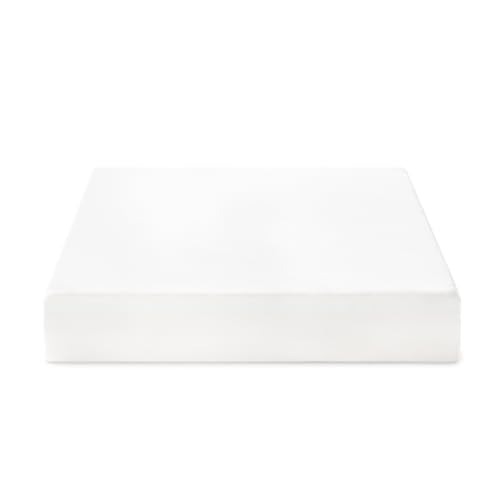
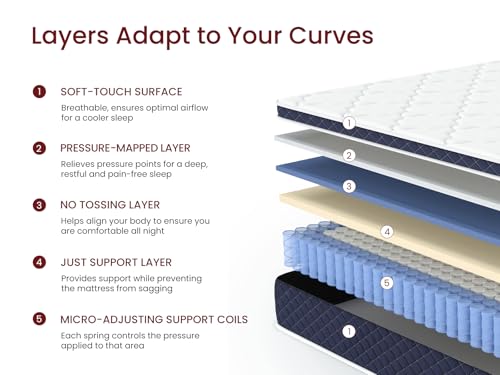
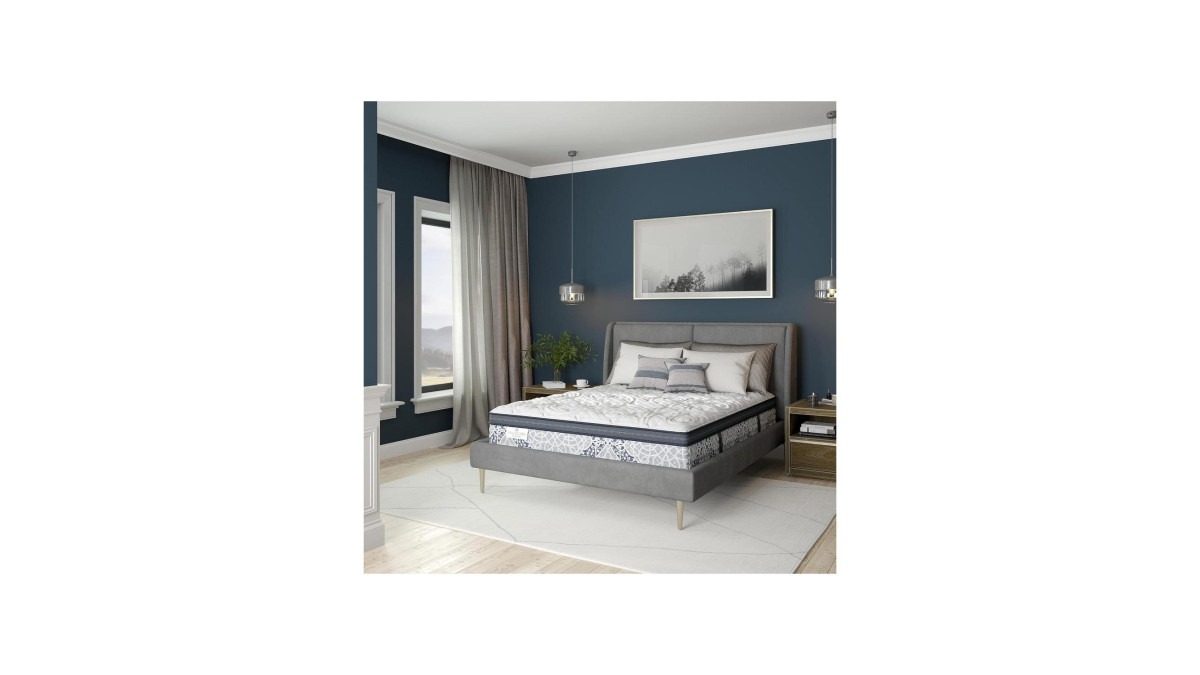
Leave a Reply