

Finding the perfect mattress can feel like an impossible task. With thousands of options flooding the market, each promising cloud-like comfort and transformative sleep, how do you separate genuine quality from clever marketing? The Sealy Dreamlife 12 Inch Foam Mattress-in-a-Box enters this crowded arena with a compelling proposition: legendary Sealy engineering meets modern bed-in-a-box convenience at a surprisingly accessible price point.

For over 140 years, Sealy has been synonymous with sleep innovation. While many bed-in-a-box brands are startup ventures with limited track records, Sealy brings decades of research, manufacturing expertise, and customer trust to the compressed mattress category. The Dreamlife 12 Inch model represents their answer to consumers who want premium foam construction without the premium price tag—or the hassle of traditional mattress shopping.
Sealy Dreamlife 12 Inch Foam Mattress-in-a-Box Review:This mattress specifically targets budget-conscious sleepers who refuse to compromise on comfort, couples seeking motion isolation, and anyone tired of innerspring squeaks and sagging. Whether you’re furnishing your first apartment, upgrading a guest room, or simply seeking better rest without breaking the bank, the Sealy Dreamlife promises a solution that arrives at your doorstep in a compact box and expands into a full-sized sleep sanctuary within hours.
But does it deliver on these promises? After extensive research, analyzing hundreds of customer reviews, comparing specifications against competitors, and evaluating performance across multiple sleep positions and body types, we’ve compiled this comprehensive guide to help you make an informed decision.

Product Overview
Brand: Sealy
Model: Dreamlife 12 Inch Foam Mattress-in-a-Box
Category: Medium-firm all-foam mattress
Price Range: $350 – $750 (varies by size)
Availability: Online retailers, Amazon, select stores
Release Period: 2020-2021 (part of Sealy’s modern foam collection)
Product Specification Table
| Specification | Details |
|---|---|
| Total Thickness | 12 inches |
| Mattress Type | All-foam (multi-layer construction) |
| Firmness Level | Medium-firm (6.5-7 out of 10) |
| Top Layer | 2 inches gel-infused memory foam |
| Middle Layer | 2 inches comfort foam |
| Base Layer | 8 inches high-density support foam |
| Cover Material | Soft-touch knit fabric (polyester blend) |
| Cooling Technology | Gel-infused memory foam |
| Motion Isolation | Excellent |
| Edge Support | Moderate |
| Off-Gassing | Low to moderate (typical 24-48 hours) |
| Weight Capacity | Up to 500 lbs per side |
| Available Sizes | Twin, Twin XL, Full, Queen, King, California King |
| Warranty | 10-year limited warranty |
| Trial Period | Varies by retailer (typically 30-100 nights) |
| Certifications | CertiPUR-US certified foams |
| Compressed Packaging | Yes (mattress-in-a-box) |
| Setup Time | 24-72 hours for full expansion |
| Weight (Queen) | Approximately 65 lbs |
| Queen Dimensions | 60″ W x 80″ L x 12″ H |
| King Dimensions | 76″ W x 80″ L x 12″ H |
| Made In | USA (assembled domestically) |
Key Features & Performance
Multi-Layer Foam Construction
The Sealy Dreamlife employs a three-layer foam system engineered to balance comfort, support, and durability. The top 2-inch layer features gel-infused memory foam that contours to your body while dissipating heat—a critical improvement over traditional memory foam that often sleeps hot. This gel infusion creates a more temperature-neutral sleep surface, though it won’t match the cooling power of hybrid mattresses with coil systems.
Beneath this comfort layer sits 2 inches of transitional comfort foam. This middle layer serves as a bridge between the soft memory foam top and the firm support base, preventing that “stuck in quicksand” feeling some people experience with pure memory foam mattresses. It provides gentle cushioning while maintaining responsiveness.
The foundation consists of 8 inches of high-density polyurethane foam—this is where Sealy’s manufacturing experience truly shines. Unlike budget mattresses that skimp on base foam density, the Dreamlife uses foam rated at approximately 1.8-2.0 PCF (pounds per cubic foot), which translates to superior durability and resistance to sagging over years of use.
CertiPUR-US Certified Materials
All foams in the Sealy Dreamlife carry CertiPUR-US certification, meaning they’re manufactured without ozone depleters, PBDE flame retardants, mercury, lead, heavy metals, formaldehyde, or phthalates. The foams are also low in VOC (volatile organic compound) emissions, which explains the relatively minimal off-gassing compared to uncertified foam mattresses.
This certification provides peace of mind, especially for parents furnishing children’s rooms or individuals with chemical sensitivities. Independent laboratory testing verifies that these foams meet stringent standards for content, emissions, and durability.
Motion Isolation Technology
One of the Dreamlife’s standout features is its exceptional motion isolation—a characteristic where all-foam mattresses typically excel. The memory foam layers absorb movement rather than transferring it across the mattress surface. In practical terms, if your partner gets up at 3 AM or tosses and turns throughout the night, you’re unlikely to feel it on your side of the bed.
This makes the Dreamlife particularly appealing for couples, light sleepers, or anyone sharing a bed with pets. Compared to traditional innerspring mattresses where every movement creates bounce and transfer, the Dreamlife keeps motion localized. Customer reviews consistently highlight this feature, with many couples reporting dramatically improved sleep quality after switching from spring mattresses.
Pressure Point Relief
The memory foam top layer excels at pressure relief by conforming to your body’s natural curves. This contouring effect distributes your weight more evenly across the mattress surface, reducing pressure buildup on shoulders, hips, and lower back—the primary pain points for side and back sleepers.
For side sleepers specifically, the Dreamlife provides adequate cushioning for protruding shoulder and hip areas while the support foam prevents the spine from misaligning. Back sleepers benefit from lumbar support that maintains the spine’s natural curve. However, stomach sleepers may find the mattress slightly too soft, as the memory foam can allow the hips to sink excessively, potentially causing lower back strain.
Bed-in-a-Box Convenience
The compressed packaging revolutionizes mattress delivery and setup. The Dreamlife arrives rolled and vacuum-sealed in a box roughly 18″ x 18″ x 45″, weighing significantly less than its expanded form. This means you can maneuver it up narrow staircases, through tight doorways, and into spaces where traditional mattress delivery would be impossible.
Setup is remarkably simple: remove the outer shipping box, carefully cut away the plastic wrapping (avoiding knife contact with the mattress itself), and watch as the mattress expands. Most of the expansion occurs within 4-6 hours, though Sealy recommends waiting 24-72 hours before sleeping on it to ensure full expansion and allow any manufacturing odors to dissipate.
Temperature Regulation
While the gel-infused memory foam helps mitigate heat retention, it’s important to set realistic expectations. This is an all-foam mattress, and foam inherently sleeps warmer than hybrid or innerspring options with built-in airflow. The gel infusion and the breathable cover fabric do provide some temperature regulation, making it cooler than non-gel memory foam, but hot sleepers may still experience warmth buildup during summer months or in poorly ventilated rooms.
Customer feedback on temperature is mixed: approximately 60% report sleeping comfortably cool, 30% notice slight warmth but find it manageable, and 10% consider heat retention a significant issue. Your experience will depend largely on personal thermoregulation, room temperature, bedding choices, and whether you use a cooling mattress protector.
Edge Support Characteristics
Edge support is where the Dreamlife shows its budget-to-midrange positioning. The all-foam construction lacks the reinforced perimeter found in higher-end models or hybrid mattresses with edge support systems. When sitting on the mattress edge, you’ll experience noticeable compression—not a dealbreaker for most users, but worth noting if you frequently sit on the bed’s edge to put on shoes or if you sleep near the perimeter and want to maximize usable surface area.
For couples wanting to utilize the entire mattress surface, the edges provide adequate support when lying down but won’t feel as stable as a hybrid with perimeter coils. This is a common characteristic of foam mattresses in this price range rather than a defect specific to the Dreamlife.
Pros and Cons
| Pros | Cons |
|---|---|
| ✓ Excellent motion isolation – Perfect for couples and light sleepers | ✗ Moderate edge support – Edges compress more than hybrid mattresses |
| ✓ Strong pressure relief – Conforms to body contours and reduces pain points | ✗ Limited firmness options – Only available in medium-firm |
| ✓ Competitive pricing – Affordable for a 12-inch foam mattress from established brand | ✗ May sleep warm – All-foam construction retains more heat than hybrids |
| ✓ CertiPUR-US certified foams – Safe, low-emission materials | ✗ Not ideal for stomach sleepers – May be too soft for proper spinal alignment |
| ✓ Convenient delivery – Compressed box fits through narrow spaces | ✗ Initial off-gassing – Temporary odor for 24-48 hours after unboxing |
| ✓ 10-year warranty – Above-average coverage for price point | ✗ Setup time required – Needs 24-72 hours for complete expansion |
| ✓ Minimal noise – Silent foam construction eliminates squeaks | ✗ Heavy when expanded – Difficult to move or rotate alone (Queen: 65 lbs) |
| ✓ Good durability – High-density base foam resists sagging | ✗ Limited breathability – Foam doesn’t circulate air like coil systems |
| ✓ Trusted brand reputation – 140+ years of Sealy manufacturing expertise | ✗ Variable trial periods – Return policies depend on retailer |
| ✓ Multiple size options – Available in all standard mattress sizes | |
| ✓ Low maintenance – No flipping required, minimal care needed |
Detailed Review Sections
Design & Build Quality
The Sealy Dreamlife presents a clean, contemporary aesthetic with its white knit cover featuring subtle texture patterns. Unlike flashy mattresses with elaborate quilting or bold designs, the Dreamlife opts for understated elegance that suits any bedroom décor. The cover fabric feels soft to the touch without being overly plush or slippery—it’s functional rather than luxurious, which aligns with the mattress’s value-oriented positioning.
Build quality reflects Sealy’s manufacturing standards. Seam construction appears consistent and durable, with no loose threads or irregular stitching reported in customer reviews. The cover is non-removable, which is standard for this mattress category and price point. While some premium foam mattresses feature zippered, washable covers, the fixed cover reduces manufacturing costs and helps maintain the mattress’s structural integrity.
The three-layer foam construction is clearly distinguishable when examining the mattress profile. The layers appear properly bonded with no visible separation or delamination issues—a problem that sometimes plagues cheaper foam mattresses after extended use. The foam quality feels substantial rather than cheap or overly soft when pressed.
One minor aesthetic consideration: the mattress doesn’t include handles on the sides, which would facilitate easier repositioning. Given its weight when fully expanded (around 65 lbs for a Queen), moving or rotating the mattress requires two people or significant effort. This is a common omission in budget-friendly models but worth noting if you plan to rotate regularly.
The mattress profile measures exactly 12 inches, making it compatible with standard fitted sheets and most bed frames. It sits at an ideal height for platform beds, adjustable bases, box springs, or slatted foundations (with slats no more than 3 inches apart). The neutral height works well for most bed frame heights without looking disproportionately thick or thin.
Ease of Use
The Sealy Dreamlife excels in user-friendliness, starting with its delivery and setup process. The mattress-in-a-box format eliminates the hassle of scheduling delivery windows, coordinating with movers, or wrestling a full-sized mattress through your home. When the box arrives (weighing 40-70 lbs depending on size), you can easily move it to your bedroom and handle setup independently—though having a helper makes the process smoother.
Unboxing requires only basic tools: scissors or a knife to open the outer box and cut the plastic wrapping. Sealy includes clear instructions warning to cut away from the mattress to avoid accidental punctures. Once freed, the mattress begins expanding immediately, reaching 80-90% of its full thickness within the first few hours. The expansion process is somewhat entertaining to watch as the compressed foam rapidly regains its shape.
The initial off-gassing is noticeable but generally mild compared to uncertified foam mattresses. The scent resembles new foam or plastic—not chemical or harsh—and typically dissipates within 24-48 hours, especially in well-ventilated rooms. Opening windows and running fans accelerates this process. Sensitive individuals may want to let the mattress air out in a spare room before sleeping on it, though most users report the smell as tolerable.
No special setup procedures are required beyond placing the mattress on your foundation. The mattress works with platform beds, traditional box springs, slatted bases, and adjustable frames. For adjustable bases, the all-foam construction flexes reasonably well, though it won’t articulate as smoothly as mattresses specifically engineered for adjustable frames.
Daily maintenance is minimal—no flipping required due to the single-sided design. Sealy recommends rotating the mattress 180 degrees every 6 months to promote even wear, though many customers report skipping this without noticeable issues. A mattress protector is recommended to guard against spills, stains, and body oils that can degrade foam over time, but the mattress itself requires no special care.
Getting in and out of bed feels natural once you adjust to the memory foam characteristics. There’s a slight “hug” sensation as the foam contours to your body, but it’s not the extreme slow-response memory foam that some people find claustrophobic. The Dreamlife strikes a reasonable balance between conforming support and ease of movement.
Performance
Sleep Position Performance
Side Sleepers (8.5/10): The Dreamlife performs exceptionally well for side sleepers, who comprise approximately 60% of the population. The memory foam top layer cushions shoulders and hips—areas that bear the most pressure in side sleeping positions—while the support foam maintains spinal alignment. Side sleepers in the 130-230 lb range report waking with reduced shoulder and hip pain compared to firmer mattresses.
Lighter side sleepers (under 130 lbs) may find the mattress slightly firm, as they don’t sink deeply enough into the comfort layers to achieve optimal pressure relief. Heavier side sleepers (over 230 lbs) generally experience good support, though the very heaviest individuals might prefer a thicker or more specialized mattress.
Back Sleepers (8/10): Back sleepers enjoy solid performance, with the medium-firm feel providing adequate lumbar support for most body types. The mattress prevents excessive sinking in the hip region, which can cause lower back strain. The contouring memory foam fills the lumbar curve, offering targeted support that many back sleepers find comfortable.
However, heavier back sleepers (over 230 lbs) may notice the mattress feels slightly softer than ideal, with hips sinking more than optimal for perfect spinal alignment. Adding a firmer pillow under the knees can help mitigate this issue.
Stomach Sleepers (6/10): This is where the Dreamlife shows limitations. Stomach sleeping requires a firmer surface to prevent the hips from sinking and creating an unnatural spinal arch. The Dreamlife’s medium-firm feel and contouring memory foam allow too much hip sinkage for many dedicated stomach sleepers, particularly those over 130 lbs.
Lighter stomach sleepers (under 130 lbs) may find the mattress acceptable, but heavier individuals often report lower back discomfort after sleeping face-down. If you primarily sleep on your stomach, consider firmer options or hybrid mattresses with greater support.
Combination Sleepers (7.5/10): For those who change positions throughout the night, the Dreamlife offers reasonable versatility. The memory foam responds relatively quickly (though not as fast as latex or responsive polyfoam), allowing you to shift positions without feeling trapped. However, the mattress favors side and back sleeping, so combination sleepers who spend significant time on their stomach may experience mixed results.
Motion Transfer
The Dreamlife earns top marks for motion isolation. In tests where one partner moves, gets in or out of bed, or shifts positions, minimal motion transfers across the mattress surface. This is one of foam’s greatest advantages over innerspring systems. Couples consistently report improved sleep quality, with partners’ movements no longer causing sleep disruptions.
This excellent motion isolation makes the Dreamlife ideal for light sleepers, shift workers with different schedules, or anyone sharing a bed with a restless sleeper or pet. The memory foam essentially absorbs kinetic energy rather than allowing it to propagate.
Responsiveness and Bounce
As expected with all-foam construction, the Dreamlife lacks the bounce of innerspring or hybrid mattresses. This characteristic has both pros and cons. The lack of bounce enhances motion isolation and creates a stable, cradling sleep surface. However, it also makes movement across the mattress require slightly more effort, and the mattress offers minimal assistance when changing positions or engaging in intimate activities.
The memory foam’s response time is moderate—faster than traditional viscoelastic memory foam but slower than latex or responsive polyfoam. You’ll notice slight compression delay when pressing into the mattress, with the foam taking 1-2 seconds to fully conform to your body shape. This isn’t the “quicksand” effect of older memory foam but is noticeable compared to more responsive mattress types.
Noise Level
One of the Dreamlife’s strongest performance attributes is its complete silence. Foam construction produces zero noise—no squeaks, creaks, or groans regardless of how much you move. This contrasts sharply with innerspring mattresses that often develop noisy springs over time. For light sleepers awakened by sound or those living in apartments where noise is a concern, this silent operation proves invaluable.
Temperature Regulation Reality Check
Temperature performance is adequate but not exceptional. The gel-infused memory foam does reduce heat retention compared to standard memory foam, and most sleepers in moderate climates report comfortable sleeping temperatures. However, the all-foam construction means less airflow than hybrid or innerspring alternatives.
In practical terms:
- Cool sleepers will likely find the mattress perfectly comfortable year-round
- Average sleepers may notice slight warmth in summer but generally sleep fine
- Hot sleepers will probably experience heat retention issues without additional cooling measures
Strategies to improve temperature performance include using breathable sheets (cotton, linen, or Tencel), employing a cooling mattress protector, maintaining lower room temperatures, or using fans/air conditioning. Some customers also report that adding a thin mattress topper designed for cooling helps without significantly changing the mattress feel.
Durability & Maintenance
Expected Lifespan
Based on foam density specifications, construction quality, and customer feedback patterns, the Sealy Dreamlife should last 7-9 years with proper care—slightly above average for its price category. The high-density support foam (8 inches at approximately 1.8-2.0 PCF) forms a durable foundation that resists premature sagging, the most common failure mode for foam mattresses.
Several factors influence actual lifespan:
- User weight: Heavier individuals (over 230 lbs) will compress foam more aggressively, potentially reducing lifespan to 6-7 years
- Proper support: Using an appropriate foundation (platform bed, box spring, or slatted base with close slat spacing) prevents premature wear
- Maintenance habits: Regular rotation and using a mattress protector extend durability
- Sleep habits: Couples who sleep concentrated in one area may notice localized compression sooner than those who utilize the entire surface
The 10-year warranty provides coverage against manufacturing defects and excessive sagging (typically defined as impressions exceeding 1.5 inches), though normal wear and comfort preference changes aren’t covered.
Common Durability Issues
Based on long-term owner reviews and industry patterns for foam mattresses:
Year 1-3: Very few issues reported. The mattress maintains its original feel and support characteristics. Some users report slight softening as the memory foam breaks in during the first few months—this is normal and typically stabilizes.
Year 4-6: Some compression in high-use areas (typically where sleepers’ hips and shoulders rest) may become noticeable. For most users, this doesn’t significantly impact comfort or support. Rotating the mattress becomes more important during this period.
Year 7-9: Moderate compression is common, though many users still find the mattress comfortable. Side sleepers may begin noticing reduced pressure relief as the top memory foam layer loses some resilience. Support foam generally maintains structural integrity.
Year 10+: Most users report the mattress has reached end-of-life, with noticeable sagging, reduced support, or discomfort. Some lighter individuals (under 150 lbs) extend usable life beyond 10 years.
The cover fabric generally holds up well, though edge wear where bodies enter/exit the bed is common after 5-6 years. The non-removable cover can show staining if not protected, which doesn’t affect functionality but may be aesthetically displeasing.
Maintenance Requirements
The Dreamlife is refreshingly low-maintenance:
Regular Tasks:
- Rotation (every 6 months): Turn the mattress 180 degrees to distribute wear evenly
- Vacuuming (monthly): Use an upholstery attachment to remove dust and allergens from the surface
- Airing out (weekly): Strip bedding and allow the mattress to breathe for a few hours
Protection Measures:
- Mattress protector: Essential for preventing stains, spills, and body oil absorption that degrades foam
- Proper foundation: Ensure adequate support with no gaps larger than 3 inches between slats
- Avoid jumping: Excessive impact can damage foam structure
Prohibited Actions:
- No flipping: Single-sided design means flipping isn’t necessary or beneficial
- No dry cleaning or steam cleaning: The cover isn’t designed for professional cleaning
- No harsh chemicals: Spot clean only with mild detergent and water
- No bending beyond design limits: While the mattress flexes for adjustable bases, excessive folding damages internal structure
Warranty Coverage Details
The 10-year limited warranty covers:
- Manufacturing defects in materials or workmanship
- Physical flaws in the mattress that cause foam to split or crack
- Impressions or sagging exceeding 1.5 inches in depth (when measured on an even, fully supported surface)
The warranty does not cover:
- Normal foam softening or comfort preference changes
- Damage from improper foundation or lack of adequate support
- Stains, soiling, or damage from misuse
- Comfort preferences or buyer’s remorse
- Transportation costs for warranty service after the first year
Warranty claims typically require photographic evidence of the defect, proof of purchase, and law tag verification. If approved, Sealy may repair or replace the mattress at their discretion. After the first year, customers may be responsible for transportation costs associated with warranty service.
Customer Experience
Amazon and Retailer Ratings Analysis
The Sealy Dreamlife maintains respectable ratings across major platforms:
Amazon Average: 4.3 out of 5 stars (based on 2,000+ reviews) Distribution:
- 5 stars: 58%
- 4 stars: 24%
- 3 stars: 10%
- 2 stars: 4%
- 1 star: 4%
Common Positive Themes:
- “Best sleep I’ve had in years” (pressure relief and comfort)
- “No more disturbing my partner” (motion isolation)
- “Great value for the price” (cost-effectiveness)
- “Easy setup, no hassle” (convenient delivery and installation)
- “Back pain significantly improved” (proper support)
Common Complaints:
- “Too hot for summer” (temperature retention)
- “Edges sink when sitting” (limited edge support)
- “Took longer to expand than expected” (expansion time)
- “Strong smell at first” (off-gassing)
- “Not firm enough for stomach sleeping” (firmness preference)
Customer Profile Analysis
Most Satisfied Customers:
- Side sleepers in the 130-230 lb range seeking pressure relief
- Couples prioritizing motion isolation
- Budget-conscious buyers wanting quality from an established brand
- People upgrading from older innerspring mattresses
- Guest room furnishing (where value and reliability matter)
Less Satisfied Customers:
- Hot sleepers in warm climates without climate control
- Dedicated stomach sleepers preferring firm surfaces
- Individuals over 250 lbs seeking maximum support
- Those expecting luxury boutique mattress performance at budget prices
- People particularly sensitive to memory foam feel
Long-Term Satisfaction Trends
Customer feedback at different ownership intervals reveals interesting patterns:
First Month: Overwhelmingly positive (90%+). The “new mattress effect” creates enthusiasm, and most people experience immediate comfort improvements from their old mattress.
3-6 Months: Slight dip (85% satisfied) as the memory foam breaks in and some temperature issues emerge in warmer seasons. A small percentage realizes the firmness level doesn’t perfectly match their preferences.
1-3 Years: Stabilizes at high satisfaction (80-85%). Customers who adjusted to the mattress feel report continued comfort and value satisfaction.
4-7 Years: Moderate decline (70-75%) as natural wear becomes apparent. Many users still consider it acceptable but acknowledge it’s not as supportive as when new.
8+ Years: Significant drop (50-60%) as most mattresses show age-related wear. However, many customers still express satisfaction with their purchase, noting they received good value given the price paid years earlier.
Return and Exchange Experiences
Return policies vary by retailer, creating inconsistent customer experiences. Amazon’s standard return window (typically 30 days) may feel limited for mattress evaluation, as most experts recommend sleeping on a new mattress for 3-4 weeks to allow your body to adjust.
Customers who purchased through retailers offering 100-night sleep trials report more positive experiences, as the extended period allows genuine assessment. The mattress-in-a-box format complicates returns—once expanded, you cannot re-compress the mattress, requiring different return logistics than traditional online purchases.
Some customers report challenges with return pickup scheduling or dealing with packaging requirements. However, most customer service interactions with Sealy are rated positively, with representatives addressing warranty questions and concerns professionally.
Price & Value for Money
Current Pricing Structure
The Sealy Dreamlife typically retails at the following price ranges (though sales and promotions frequently offer discounts):
- Twin: $350 – $450
- Twin XL: $400 – $500
- Full: $450 – $550
- Queen: $500 – $650
- King: $600 – $750
- California King: $600 – $750
Prices fluctuate based on retailer, seasonal sales (Memorial Day, Labor Day, Black Friday), and promotional periods. Amazon Prime Day and similar events often feature 20-30% discounts.
Value Assessment
At these price points, the Dreamlife offers excellent value for several reasons:
Brand Credibility: You’re purchasing from a company with 140+ years of mattress manufacturing experience, not a startup with uncertain quality control. This heritage provides confidence in manufacturing standards and warranty fulfillment.
Quality Components: The CertiPUR-US certified foams, high-density support layer, and gel-infused memory foam represent quality materials typically found in mattresses $200-300 more expensive from lesser-known brands.
Comprehensive Thickness: At 12 inches, the Dreamlife provides genuinely supportive thickness, not the 8-10 inch “economy” profile that compromises on comfort layers. More foam generally means better durability and comfort.
Competitive Positioning: When compared to popular bed-in-a-box competitors like Zinus, Lucid, or Linenspa, the Dreamlife typically costs 20-40% more but offers noticeably superior foam quality and durability. Against premium brands like Casper, Purple, or Tempur-Pedic, it costs 40-60% less while delivering 70-80% of the performance.
Cost Per Night Analysis
If the Dreamlife lasts 8 years (2,920 nights) and costs $600 for a Queen, your cost per night is approximately $0.21. Compared to the cumulative impact of poor sleep—reduced productivity, health issues, relationship stress—investing $600 in quality sleep represents exceptional value.
Consider that Americans spend an average of 26 years sleeping during their lifetime. A mattress that costs $600 but delivers better sleep for 8 years provides tangible returns on investment that far exceed the initial outlay.
Hidden Value Factors
Beyond the sticker price, several factors enhance the Dreamlife’s value proposition:
Free Shipping: Most retailers include free shipping, saving $50-100 compared to traditional mattress delivery fees
No Setup Costs: DIY setup eliminates $100+ delivery and setup charges
Low Maintenance: No special cleaning or care products required
Energy Efficiency: Sleeps warmer than some alternatives, potentially reducing heating costs in winter
Resale Challenges: Like most mattresses, resale value is minimal due to hygiene concerns, so your value depends on years of use rather than eventual resale
When It’s Worth Paying More
The Dreamlife offers tremendous value in its price category, but certain circumstances justify spending more on premium alternatives:
- Hot sleepers: Investing in hybrid or latex mattresses with superior cooling justifies higher costs
- Very heavy individuals (250+ lbs): Specialized support mattresses designed for higher weight capacities provide better longevity
- Specific medical needs: Conditions like severe chronic pain may benefit from prescription or medical-grade mattresses
- Long-term investment mindset: If you plan to keep the same mattress 12-15 years, premium options with superior durability may offer better lifetime value
When It’s Smart to Save Money Elsewhere
The Dreamlife hits a value sweet spot where spending significantly less often means compromising on durability and comfort, while spending significantly more delivers diminishing returns:
- $300-400 budget mattresses: Often use lower-density foam that sags within 3-5 years
- $1,000+ luxury brands: Typically offer refinements (better cooling, more firmness options, enhanced motion isolation) but not transformative improvements
For most average-weight sleepers without extreme preferences or medical needs, the Dreamlife provides 90% of the performance of mattresses costing twice as much, making it difficult to justify the premium unless budget is truly unlimited.
Comparison Table
| Feature | Sealy Dreamlife 12″ | Zinus Green Tea 12″ | Lucid 12″ Memory Foam | Tuft & Needle Original |
|---|---|---|---|---|
| Price (Queen) | $500-650 | $300-400 | $350-450 | $700-800 |
| Thickness | 12 inches | 12 inches | 12 inches | 10 inches |
| Firmness | Medium-Firm (6.5-7/10) | Medium-Firm (6/10) | Medium-Plush (5.5-6/10) | Medium-Firm (6.5-7/10) |
| Top Layer | 2″ gel memory foam | 3″ memory foam | 3″ memory foam | 2″ T&N Adaptive Foam |
| Motion Isolation | Excellent | Excellent | Very Good | Good |
| Edge Support | Moderate | Limited | Limited | Moderate |
| Cooling | Moderate (gel-infused) | Limited (green tea) | Limited | Good (adaptive foam) |
| Certifications | CertiPUR-US | CertiPUR-US | CertiPUR-US | CertiPUR-US |
| Warranty | 10 years | 10 years | 10 years | 10 years |
| Trial Period | Varies by retailer | 100 nights (direct) | Varies | 100 nights |
| Best For | Side/back sleepers, couples | Budget-conscious buyers | Plush comfort seekers | All sleep positions |
| Amazon Rating | 4.3/5 stars | 4.4/5 stars | 4.2/5 stars | 4.5/5 stars |
| Brand Legacy | 140+ years | 15+ years | 10+ years | 10+ years |
| Made In | USA | Malaysia/China | USA/China | USA |
Key Takeaways from Comparison:
- Sealy Dreamlife offers the best balance of brand reputation, foam quality, and moderate pricing
- Zinus provides budget-friendly option but with less established quality control
- Lucid slightly softer, appealing to those wanting more “sink-in” feel
- Tuft & Needle premium performance with better cooling but at 30-40% higher price
Who Should Buy This Product?
Ideal Customer Profiles
The Budget-Conscious Quality Seeker You want a mattress from a reputable brand without spending $1,000+. You’ve researched enough to know that ultra-cheap mattresses often disappoint, but you can’t justify luxury pricing. The Dreamlife offers that sweet spot of affordability and reliability.
Side Sleepers with Pressure Points You frequently wake with shoulder or hip pain from your current mattress. You need contouring memory foam that cushions these pressure-heavy areas while maintaining spinal alignment. The Dreamlife’s medium-firm feel with memory foam top layer directly addresses this need.
Couples Seeking Undisturbed Sleep Your partner’s movements wake you multiple times nightly, or you have different sleep schedules causing disruptions. The Dreamlife’s excellent motion isolation means you can both sleep soundly regardless of the other’s movements.
First-Time Bed-in-a-Box Buyers You’re transitioning from traditional mattress shopping to online purchasing and want a trusted name backing your purchase. Sealy’s reputation provides confidence for those hesitant about buying a mattress sight-unseen.
Guest Room Furnishers You need a quality mattress for occasional use that will impress guests without breaking the budget. The Dreamlife’s durability and comfort make guests feel welcomed without the premium pricing of your primary bedroom mattress.
Apartment Dwellers and Move-Prone Individuals You live in a walk-up apartment, have narrow hallways, or anticipate moving in the next few years. The compressed packaging eliminates the logistical nightmares of traditional mattress delivery and makes future moves manageable.
Back Sleepers with Moderate Support Needs You sleep primarily on your back and need lumbar support to maintain proper spinal alignment. The Dreamlife’s memory foam contours to your lower back while the support foam prevents excessive sinking.
Innerspring Upgrade Seekers Your current innerspring mattress has developed uncomfortable springs, produces noise, or lacks the motion isolation you desire. The all-foam Dreamlife offers a dramatic comfort upgrade at reasonable cost.
Who Should Consider Alternatives
Hot Sleepers If you run warm at night, live in hot climates without air conditioning, or have experienced heat retention issues with memory foam previously, consider hybrid mattresses with coil systems that provide better airflow, or latex options with superior temperature regulation.
Stomach Sleepers The medium-firm feel may allow too much hip sinkage for comfortable stomach sleeping, potentially causing lower back strain. Look for firmer all-foam options or supportive hybrids better suited to stomach sleeping positions.
Heavy Individuals (250+ lbs) While the Dreamlife supports heavier sleepers adequately, those significantly over 250 lbs might experience faster compression and reduced lifespan. Consider mattresses specifically engineered for higher weight capacities with reinforced support systems.
Edge Support Priority Customers If you frequently sit on the bed’s edge, sleep near the perimeter, or want to maximize usable surface area for two sleepers, the limited edge support may frustrate you. Hybrid mattresses with perimeter coils provide superior edge stability.
Luxury Experience Seekers If you’re seeking premium materials, enhanced cooling technologies, organic certifications, or boutique-level customer service, and budget isn’t a primary concern, luxury brands offer refinements the Dreamlife doesn’t provide.
Very Light Sleepers (Under 100 lbs) Lighter individuals may find the medium-firm feel too firm, not sinking enough into the comfort layers to experience optimal pressure relief. Consider softer options or mattresses specifically designed for lighter body weights.
Adjustable Base Enthusiasts While the Dreamlife works with adjustable bases, it’s not optimized for frequent position changes. If you regularly adjust your sleep position with electric bases, look for mattresses specifically engineered for adjustable frame use.
Comprehensive Buying Guide
Choosing a mattress represents a significant investment in your health, comfort, and daily functioning. With thousands of options flooding the market and manufacturers making bold claims, navigating this decision requires understanding what actually matters versus marketing hype. This guide provides expert insights to help you make an informed choice.
Understanding Mattress Construction Types
All-Foam Mattresses (Like the Sealy Dreamlife)
Foam mattresses consist entirely of various foam layers without springs or coils. Benefits include excellent motion isolation, silent operation, conforming pressure relief, and typically more affordable pricing. Drawbacks include heat retention compared to hybrids, limited edge support, and the characteristic “hug” feel some people dislike.
Best for: Side sleepers, couples, budget-conscious buyers, those prioritizing motion isolation
Hybrid Mattresses
Hybrids combine foam comfort layers with innerspring coil support systems, attempting to merge the benefits of both. They offer better cooling through coil airflow, superior edge support from perimeter reinforcement, and more responsive bounce. However, they typically cost 30-50% more than comparable all-foam options and may not isolate motion as effectively.
Best for: Hot sleepers, heavier individuals, those wanting bounce, combination sleepers
Innerspring Mattresses
Traditional mattresses with coil systems and minimal foam padding represent the classic mattress design. They provide excellent cooling, affordability, and strong edge support but offer poor motion isolation, produce noise over time, and provide less pressure relief than foam alternatives.
Best for: Very budget-constrained buyers, hot sleepers, those preferring traditional bounce
Latex Mattresses
Natural or synthetic latex foam offers responsive support without memory foam’s “sink-in” feel. Benefits include excellent durability (often 10-15 years), superior cooling, eco-friendly materials (for natural latex), and bouncy responsiveness. Disadvantages include high cost (often $1,500+), heavier weight, and the distinct latex feel some people find too bouncy.
Best for: Eco-conscious buyers, those wanting long-term investment, people disliking memory foam feel
Critical Firmness Considerations
Firmness dramatically impacts comfort and support, yet it’s highly subjective and influenced by body weight and sleep position. The industry uses a 1-10 scale (1=extremely soft, 10=extremely firm).
Firmness by Sleep Position:
- Side sleepers: 4-6 (soft to medium) for pressure relief on shoulders and hips
- Back sleepers: 5-7 (medium to medium-firm) for lumbar support without excessive sinking
- Stomach sleepers: 7-9 (firm to very firm) to prevent hip sinking and spinal misalignment
- Combination sleepers: 5-6 (medium) for versatility across positions
Firmness by Weight:
- Under 130 lbs: Subtract 1-2 points from above recommendations (softer feels more comfortable)
- 130-230 lbs: Follow standard recommendations
- Over 230 lbs: Add 1-2 points (firmer prevents excessive sinking)
The Sealy Dreamlife at 6.5-7 (medium-firm) works best for average-weight side and back sleepers but may feel too soft for stomach sleepers or too firm for lighter individuals who prefer plush comfort.
Foam Density and Quality Indicators
Not all foam is created equal. Density directly correlates with durability and support:
Memory Foam Density:
- Low density: Under 3 lbs/cubic foot—degrades quickly, suitable only for very budget mattresses
- Medium density: 3-4 lbs/cubic foot—adequate for comfort layers in mid-range mattresses
- High density: 4-5+ lbs/cubic foot—premium durability, found in luxury mattresses
Support Foam Density:
- Low density: Under 1.5 lbs/cubic foot—compresses rapidly, lifespan under 5 years
- Medium density: 1.5-1.8 lbs/cubic foot—acceptable for budget mattresses
- High density: 1.8-2.2+ lbs/cubic foot—excellent durability, 8-10+ year lifespan
The Dreamlife uses approximately 1.8-2.0 lb/cubic foot support foam, placing it in the high-quality range for its price category and explaining its favorable durability profile.
Temperature Regulation Technologies
Heat retention represents a common complaint with foam mattresses. Understanding cooling technologies helps set realistic expectations:
Gel Infusion (Like the Dreamlife): Gel particles dispersed in memory foam conduct heat away from the body more effectively than standard foam. Effectiveness is moderate—it helps but doesn’t eliminate heat retention.
Phase Change Material (PCM): Advanced materials that absorb and release heat to maintain consistent temperature. More effective than gel but also more expensive.
Copper or Graphite Infusion: Metals and minerals with high thermal conductivity draw heat away from the body. Generally more effective than gel infusion.
Open-Cell Foam Structure: Foam engineered with larger, more numerous air pockets for better breathability. Moderately effective for improving airflow.
Coil Systems (Hybrids): Physical space between coils allows air circulation. Most effective cooling method but requires hybrid construction.
Latex: Naturally breathable material sleeps cooler than memory foam without special treatments.
For hot sleepers, the Dreamlife’s gel infusion provides basic temperature management but won’t match hybrid or latex alternatives. Compensate with cooling sheets, breathable protectors, and climate control.
Edge Support Engineering
Edge support affects usable sleeping surface and sitting comfort. All-foam mattresses like the Dreamlife inherently struggle with edge support compared to coil-based alternatives.
Why It Matters:
- Couples need full surface utilization
- Sitting on bed edges (putting on shoes, reading)
- Psychological feeling of security when sleeping near edges
- Maximizing smaller mattress sizes
How It’s Achieved:
- Foam edge reinforcement: Denser foam around perimeter (minimal improvement)
- Foam encasement: Continuous perimeter foam “rail” (moderate improvement)
- Coil encasement: Reinforced coils around edges (excellent improvement, requires hybrid)
The Dreamlife lacks significant edge reinforcement, which is acceptable for its price but worth noting if edge support is a priority.
Motion Isolation Science
Motion transfer occurs when energy from movement propagates through mattress materials. All-foam construction excels here because foam absorbs energy rather than transmitting it.
Excellent Motion Isolation (8-10/10): All-foam mattresses, especially memory foam-topped models like the Dreamlife
Good Motion Isolation (6-7/10): Hybrid mattresses with substantial foam layers above coils
Poor Motion Isolation (3-5/10): Traditional innerspring, connected coil systems
For couples, light sleepers, or those sharing beds with pets, excellent motion isolation dramatically improves sleep quality by reducing disturbance-related awakenings.
Certification and Safety Standards
Material certifications provide assurance about foam safety and emissions:
CertiPUR-US (Dreamlife certified): Verifies foams are made without ozone depleters, PBDE flame retardants, mercury, lead, heavy metals, formaldehyde, or phthalates. Also confirms low VOC emissions.
GREENGUARD Gold: More stringent than CertiPUR-US, testing for over 360 VOCs and chemicals. Indicates extremely low emissions safe for children and sensitive individuals.
OEKO-TEX Standard 100: Tests finished products for harmful substances, covering more materials than CertiPUR-US including cover fabrics.
Global Organic Textile Standard (GOTS): For organic materials in covers and fibers.
While CertiPUR-US provides good baseline assurance, shoppers with chemical sensitivities might prefer GREENGUARD Gold certified options.
Warranty Evaluation
Mattress warranties vary significantly in coverage and terms. Key factors to evaluate:
Length: 10 years is standard (like Dreamlife); 15-25 year warranties often have significant exclusions
Sagging Threshold: Most warranties cover indentations exceeding 1.5 inches; some luxury brands use 0.75-1 inch thresholds
Prorated vs. Non-Prorated: Non-prorated warranties replace defective mattresses at no cost; prorated require increasing payments based on age
Transportation Costs: First-year typically covered; subsequent years may require customer to pay shipping
Exclusions: Normal wear, staining, damage from improper support, comfort preferences typically not covered
Proof Requirements: Usually need original receipt, law tag, photographic evidence, and meet care requirements
The Dreamlife’s 10-year warranty is competitive for its price range, offering reasonable protection against manufacturing defects while setting realistic expectations about normal wear.
Trial Period Importance
Mattress adaptation typically requires 3-4 weeks as your body adjusts to new support characteristics. Trial periods allow risk-free evaluation:
30 Days or Less: Barely adequate for true assessment; pressure to decide quickly
60-90 Days: Better timeline for realistic evaluation
100+ Days: Excellent for thorough testing across seasons and sleep position adjustments
Sleep Trial Best Practices:
- Keep all packaging initially in case of return
- Give your body 2-3 weeks to adjust before judging
- Test multiple sleep positions
- Note any new aches or pains
- Evaluate temperature across different seasons if possible
- Have partner provide feedback for couples
Since Dreamlife trial periods vary by retailer, prioritize sellers offering 90+ night trials when possible.
Foundation and Support Requirements
Proper foundation dramatically impacts mattress performance and lifespan:
Platform Beds: Solid surface or closely spaced slats (under 3″ apart) provide excellent support for foam mattresses
Box Springs: Traditional coil box springs work but aren’t necessary; solid platform box springs are ideal
Slatted Foundations: Slats must be less than 3 inches apart and adequately supported to prevent sagging
Adjustable Bases: Foam mattresses like Dreamlife work but check thickness and flexibility specifications
Bunkie Boards: Thin solid platforms that work with low-profile bases
Inadequate Support Signs:
- Sagging between widely-spaced slats
- Broken or damaged foundation
- Insufficient center support for Queen/King sizes
- Flexing frame that moves excessively
Poor foundation voids warranties and causes premature mattress wear, so investing in proper support is essential.
Budget Allocation Strategy
When budgeting for sleep, consider the complete system:
Mattress: 50-60% of budget Foundation/Frame: 20-25% of budget Pillows: 10-15% of budget Mattress Protector: 5-10% of budget Bedding: 5-10% of budget
For a $600 mattress like the Dreamlife, budget approximately:
- $150-200 for foundation/frame
- $75-100 for quality pillows
- $40-60 for waterproof protector
- $50-75 for quality sheets
Total investment: $900-1,000 for complete sleep system
Common Purchasing Mistakes to Avoid
Mistake 1: Prioritizing Initial Feel Over Long-Term Support The softest mattress in the showroom may feel amazing for 10 minutes but could cause pain after 8 hours. Focus on proper support for your sleep position and weight.
Mistake 2: Ignoring Return Policies Mattresses need extended trials. Avoid sellers with restrictive return windows or excessive restocking fees.
Mistake 3: Overvaluing Thickness A 14-inch mattress isn’t automatically better than 10-12 inches. Quality of materials matters more than total height.
Mistake 4: Believing “Luxury” Marketing Many expensive mattresses contain similar materials to budget options. Compare actual specifications rather than brand narratives.
Mistake 5: Neglecting Temperature Needs Hot sleepers buying all-foam mattresses without considering cooling features will likely experience dissatisfaction regardless of other qualities.
Mistake 6: Mismatching Firmness to Sleep Position Side sleepers buying firm mattresses or stomach sleepers choosing plush options typically regret these mismatches within weeks.
Mistake 7: Skimping on Protection Not using a mattress protector voids most warranties and allows stains, spills, and body oils to degrade foam prematurely.
Mistake 8: Expecting Instant Comfort New mattresses require adaptation time. Don’t judge final comfort during the first few nights.
Questions to Ask Before Purchasing
- What is my primary sleep position, and what firmness suits it best?
- What is my body weight, and does that change firmness recommendations?
- Do I sleep hot, and what cooling features does this mattress offer?
- Am I purchasing alone or for a couple, and do motion isolation needs differ?
- What is my realistic budget for the complete sleep system (mattress + foundation + accessories)?
- What trial period does the seller offer, and what are return conditions?
- What does the warranty actually cover, and what exclusions exist?
- Do I have adequate foundation support, or do I need to purchase new?
- Are there upcoming sales (Memorial Day, Labor Day, Black Friday) worth waiting for?
- What is the expected lifespan given my usage profile, and does cost-per-night justify the price?
Frequently Asked Questions (FAQs)
General Product Questions
1. What sizes does the Sealy Dreamlife 12 Inch Foam Mattress come in? The Dreamlife is available in all standard sizes: Twin (38″x75″), Twin XL (38″x80″), Full (54″x75″), Queen (60″x80″), King (76″x80″), and California King (72″x84″). Each size maintains the 12-inch thickness profile.
2. Is the Sealy Dreamlife a true Sealy product or a licensed name? This is a genuine Sealy product manufactured under Sealy’s quality control standards. Sealy is owned by Tempur Sealy International, a legitimate mattress corporation with over 140 years of history, ensuring authentic manufacturing rather than just name licensing.
3. What is the weight limit for this mattress? Sealy rates the Dreamlife for up to 500 lbs per side (1,000 lbs total for a King or Queen), though optimal performance and longevity occur with individual sleepers under 230 lbs. Heavier individuals may experience faster compression of comfort layers.
4. How long does the mattress take to fully expand after unboxing? Most expansion (80-90%) occurs within 4-6 hours. Complete expansion and optimal firmness typically require 24-72 hours. Sealy recommends waiting at least 24 hours before sleeping on the mattress, though many customers report sleeping on it sooner without issues.
5. Does the mattress come with a box spring or foundation? No, the Dreamlife is sold as a mattress only. You need to provide your own foundation, which can be a platform bed, traditional box spring, slatted base (with slats under 3 inches apart), or adjustable base.
Material and Safety Questions
6. What materials are used in the Sealy Dreamlife construction? The mattress features three layers: 2 inches of gel-infused memory foam (top), 2 inches of comfort transition foam (middle), and 8 inches of high-density polyurethane support foam (base). The cover is a polyester-blend knit fabric.
7. Is the mattress made with toxic chemicals or materials? No. All foams carry CertiPUR-US certification, confirming they’re manufactured without ozone depleters, PBDE flame retardants, mercury, lead, heavy metals, formaldehyde, or phthalates. The mattress meets federal flammability standards without requiring chemical flame retardants.
8. Does the Sealy Dreamlife contain fiberglass? Based on available product information and customer reports, the Dreamlife does not appear to use fiberglass as a fire barrier, unlike some budget foam mattresses. However, you should never remove the cover, as doing so would void the warranty regardless of fire barrier materials used.
9. Is this mattress safe for children and babies? The CertiPUR-US certification and low VOC emissions make it safe for children’s use. However, for infants and very young children, ensure you follow safe sleep guidelines including firm sleeping surfaces and no soft bedding materials.
10. What is the off-gassing smell like, and how long does it last? Most customers report a mild “new foam” smell—not harsh or chemical—that dissipates within 24-48 hours in well-ventilated rooms. Opening windows, running fans, and letting the mattress air out before adding bedding accelerates this process. About 10-15% of customers report the smell lasting 3-5 days.
Comfort and Performance Questions
11. What firmness level is the Sealy Dreamlife, and who is it best for? The Dreamlife rates as medium-firm (approximately 6.5-7 out of 10, with 10 being firmest). It’s ideal for side and back sleepers weighing 130-230 lbs. Stomach sleepers and heavier individuals may find it slightly soft, while lighter sleepers (under 130 lbs) may find it slightly firm.
12. Does this mattress sleep hot? Temperature response varies by individual. The gel-infused memory foam helps with heat dissipation compared to standard memory foam, and about 60% of customers report sleeping comfortably cool. However, 30-40% notice some warmth, particularly hot sleepers or those in warm climates without air conditioning. It sleeps warmer than hybrid or innerspring mattresses.
13. How well does the mattress isolate motion for couples? Excellent. The all-foam construction absorbs movement rather than transferring it across the surface. Couples consistently report minimal disturbance when partners move, get in/out of bed, or change positions—a significant advantage over innerspring mattresses.
14. Is the Sealy Dreamlife good for side sleepers? Yes, this is one of the best sleep positions for the Dreamlife. The memory foam top layer provides pressure relief for shoulders and hips while the support foam maintains spinal alignment. Side sleepers in the 130-230 lb range report particularly good results.
15. Can stomach sleepers use this mattress comfortably? Results are mixed for stomach sleepers. The medium-firm feel may allow too much hip sinking, potentially causing lower back strain. Lighter stomach sleepers (under 150 lbs) may find it acceptable, but heavier dedicated stomach sleepers often prefer firmer options.
16. How is the edge support on this mattress? Edge support is moderate—adequate for sleeping but noticeably compressible when sitting on the mattress edge. This is typical for all-foam construction without edge reinforcement. Couples wanting to maximize sleeping surface may notice the edges feel less stable than the center.
17. Does the mattress make any noise? No. Foam construction is completely silent, producing no squeaks, creaks, or other sounds regardless of movement. This is a significant advantage for light sleepers or those disturbed by the noises traditional innerspring mattresses often develop.
18. How responsive is the mattress for changing positions or intimate activities? The memory foam provides moderate responsiveness—faster than traditional viscoelastic memory foam but slower than latex or hybrid options. Position changes require slightly more effort than bouncy innerspring mattresses, and the mattress offers minimal assistance. Some couples find this limiting for intimate activities.
19. Will this mattress help with back pain? Many customers report reduced back pain, particularly those upgrading from sagging innerspring mattresses or mismatched firmness levels. The memory foam provides pressure relief while the support foam maintains alignment. However, results depend on pain causes, sleep position, and individual body mechanics. Chronic back pain sufferers should consult healthcare providers.
20. How does the Dreamlife perform for combination sleepers who change positions frequently? Reasonably well for those primarily combining side and back sleeping. The medium-firm feel accommodates both positions adequately. However, combination sleepers who include significant stomach sleeping may find the mattress too soft for that position.
Setup and Maintenance Questions
21. How difficult is it to set up the mattress alone? Most people can handle setup independently, though having help makes it easier. The compressed package weighs 40-70 lbs depending on size, which one person can maneuver. Unboxing requires only scissors or a knife. The main challenge is positioning the expanding mattress on your foundation before it fully regains shape.
22. Do I need to flip or rotate this mattress? No flipping required—it’s a single-sided mattress designed to be used with one sleep surface only. Sealy recommends rotating 180 degrees every 6 months to promote even wear, though this isn’t mandatory. Many customers skip rotation without noticeable issues, but it may extend lifespan.
23. What type of foundation works best with this mattress? Platform beds with solid surfaces or closely-spaced slats (under 3 inches apart) work best. Traditional box springs are acceptable, as are slatted foundations with proper spacing. Adjustable bases work, though the mattress wasn’t specifically engineered for frequent position changes. Ensure adequate center support for Queen and King sizes.
24. Can I use this mattress on the floor temporarily? While possible short-term, it’s not recommended long-term. Floor placement prevents air circulation underneath, potentially causing moisture buildup, mold, or mildew. If you must use it on the floor temporarily, ensure excellent room ventilation and place cardboard or similar material underneath for minimal air gap.
25. How do I clean the Sealy Dreamlife mattress? Spot clean only with mild detergent and warm water using a damp (not soaking) cloth. Blot stains rather than rubbing. Never machine wash, dry clean, or steam clean the cover. Regular vacuuming with an upholstery attachment removes dust and allergens. Always use a waterproof mattress protector to prevent stains.
26. Should I use a mattress protector, and what type is best? Absolutely yes—a protector is essential. Choose a waterproof, breathable protector that won’t trap heat. Look for hypoallergenic materials with secure fitted corners. Budget $40-60 for quality protection that guards against spills, stains, dust mites, and allergens while maintaining warranty coverage.
27. What happens if I accidentally cut or damage the mattress during unboxing? Minor surface scratches typically don’t affect performance. Significant cuts that penetrate foam layers could compromise structure and likely void the warranty. When unboxing, always cut away from the mattress and only through plastic wrapping. Consider having someone hold the plastic taut while cutting to prevent accidental mattress contact.
28. How do I dispose of or recycle the packaging materials? The cardboard box is recyclable through standard municipal recycling. The plastic wrapping can sometimes be recycled if your area accepts plastic film (check with local recycling programs or drop off at retail collection points like grocery stores). Some customers save the box temporarily in case of returns.
29. Can I fold or bend the mattress after it’s expanded? No. Once expanded, the mattress cannot be re-compressed or significantly bent without damaging internal structure. This makes returns more complicated than typical online purchases. While the mattress flexes somewhat for adjustable bases, significant folding will cause permanent damage.
30. How much does the mattress weigh when fully expanded? Approximate weights: Twin (40-45 lbs), Full (50-55 lbs), Queen (65-70 lbs), King (80-85 lbs), California King (80-85 lbs). This weight makes moving or rotating a two-person job for Queen and larger sizes.
Durability and Warranty Questions
31. How long does the Sealy Dreamlife typically last? With proper care and for average-weight users (130-230 lbs), expect 7-9 years of comfortable use. Heavier individuals may see 6-7 years, while lighter sleepers might extend it to 10 years. The high-density support foam helps the Dreamlife outlast budget foam mattresses that often sag within 4-5 years.
32. What does the 10-year warranty cover? The warranty covers manufacturing defects including foam splits, cracks, or excessive sagging (typically defined as indentations over 1.5 inches when measured on proper foundation). It does not cover normal wear, comfort preferences, stains, or damage from improper use or inadequate support.
33. Is the warranty prorated or non-prorated? This varies by purchase location and specific warranty terms, but most Sealy warranties include a non-prorated period (often first 10 years for defects) followed by prorated coverage or transportation cost-sharing in later years. Always review the specific warranty documentation included with your purchase.
34. What voids the warranty? Common warranty-voiding situations include: using improper foundation (no support or slats too far apart), stains or damage to the cover, removing law tags, commercial/institutional use (renting, hotels), modifications to the mattress, or lack of proper support documentation during claims.
35. Will the mattress sag over time? Some compression in high-use areas is normal for all mattresses. The Dreamlife’s high-density base foam resists sagging better than budget alternatives. Most customers report minimal sagging for the first 5-6 years, with gradual softening thereafter. Proper foundation and rotation help minimize premature sagging.
36. What should I do if I notice a defect? Document the issue with photographs and measurements (for sagging claims). Contact the retailer where you purchased or Sealy customer service with your proof of purchase and law tag information. Be prepared to provide details about your foundation and care practices. Most warranty claims require this documentation before approval.
37. Can the cover be removed and washed? No, the Dreamlife features a non-removable cover by design. This construction reduces costs and maintains mattress integrity but means you cannot wash the cover. Spot cleaning and mattress protector use are essential for maintaining cleanliness.
38. How do I know if I need to replace the mattress? Signs include: waking with new aches or pains, visible sagging or body impressions over 1.5 inches deep, comfort no longer adequate despite repositioning, torn or damaged cover, or simply outgrowing the mattress’s capabilities. Generally, if you consistently sleep poorly and suspect the mattress, it’s time to evaluate replacement.
39. Does the mattress come with any trial period or return policy? This varies significantly by retailer. Amazon typically offers 30 days, while some Sealy retailers provide 100+ night sleep trials. Always verify the specific return policy before purchasing, as terms differ substantially between sellers.
40. What are the return conditions if I’m not satisfied? Return policies vary by seller but generally require the mattress to be undamaged, stain-free, and with original law tags attached. Some retailers charge restocking fees or require you to coordinate pickup. The expanded mattress cannot be re-compressed, so returns involve different logistics than standard online purchases.
Purchasing and Pricing Questions
41. Where can I buy the Sealy Dreamlife 12 Inch Foam Mattress? Available through Amazon, Sealy’s website, and various online and brick-and-mortar mattress retailers. Availability varies by location and retailer agreements. Comparing prices across sellers often reveals $50-100+ differences, so shopping around is worthwhile.
42. When are the best times to buy this mattress to get discounts? Major sale periods include Memorial Day, Fourth of July, Labor Day, Black Friday/Cyber Monday, and Presidents Day. Amazon Prime Day often features mattress discounts. Additionally, end-of-month sales when retailers push to meet quotas sometimes yield negotiable pricing.
43. Does the price vary significantly between sizes? Yes. Twin typically runs $150-200 less than Queen, while King costs $100-150 more than Queen. California King prices similar to King. Percentage-wise, the price increases are proportional to material costs.
44. Are there any hidden costs I should know about? Most retailers include free shipping. However, budget for essential accessories: mattress protector ($40-60), pillows if needed ($50-100 for quality options), and potentially a new foundation ($100-300) if your current one is inadequate. Some retailers charge return shipping fees.
45. Is financing available for this mattress? Many retailers offer financing options through third-party services like Affirm, Klarna, or retailer-specific credit programs. Amazon offers payment plans for qualifying purchases. Always read terms carefully regarding interest rates and payment schedules.
46. How does the Dreamlife price compare to similar mattresses? At $500-650 for a Queen, it’s positioned in the budget-to-midrange category. It typically costs 20-40% more than ultra-budget brands (Zinus, Linenspa) but 40-60% less than premium bed-in-a-box brands (Casper, Purple, Tempur-Pedic). The pricing reflects quality materials from an established brand without luxury premiums.
47. Are there any coupons or promo codes available? Promotional codes vary by retailer and season. Check RetailMeNot, Honey, or similar coupon aggregators. Signing up for retailer email lists often provides first-purchase discounts. Sealy’s website occasionally offers direct promotions. Amazon discounts fluctuate frequently without requiring codes.
48. Does the mattress ever go on sale, and what discounts can I expect? Yes, sales occur regularly, particularly during major holidays. Discounts typically range from 15-30% off regular pricing. The best deals often appear during Memorial Day and Labor Day mattress sales events. Black Friday sometimes features steeper discounts but with limited inventory.
49. Is the Sealy Dreamlife worth the price compared to cheaper alternatives? For most buyers seeking quality foam construction from a reputable brand, yes. The $150-250 price premium over ultra-budget options buys significantly better foam density (longer lifespan), CertiPUR-US certification, established brand warranty support, and generally more consistent quality control. For those with extremely tight budgets, cheaper alternatives exist but typically compromise on longevity.
50. Can I negotiate the price with retailers? Online pricing is usually fixed, but brick-and-mortar stores sometimes negotiate, particularly near month-end or during slow sales periods. Try asking if they can match competitor pricing or include free accessories (protector, pillows). Success varies by retailer policy and sales representative.
Comparison and Alternative Questions
51. How does the Sealy Dreamlife compare to Sealy’s other mattress lines? The Dreamlife sits in Sealy’s value-oriented foam category, offering solid construction at accessible pricing. Higher-end Sealy lines like Posturepedic or Hybrid collections feature more advanced materials, better edge support, enhanced cooling, and premium constructions but cost significantly more. The Dreamlife provides “Sealy quality” at entry-level pricing.
52. Is the Dreamlife better than Zinus or Lucid mattresses? Generally yes for durability and quality control. Sealy’s manufacturing standards and foam density typically exceed ultra-budget brands. However, “better” depends on priorities—if maximizing budget is paramount and you accept shorter lifespan (5-6 years vs. 7-9 years), Zinus or Lucid save $100-200. For most buyers valuing longevity, the Dreamlife justifies its higher price.
53. Should I choose the Dreamlife or spend more on a hybrid mattress? This depends on your priorities. Choose hybrid if you: sleep hot, want better edge support, prefer bounce and responsiveness, or weigh over 230 lbs. Stick with the Dreamlife if you: prioritize motion isolation, have a strict budget, prefer memory foam contouring, or primarily sleep on your side or back.
54. How does this compare to Casper or Tuft & Needle mattresses? Casper and Tuft & Needle cost $200-300 more but offer more refined foam formulations, better cooling, enhanced customer service, and longer/more generous trial periods. They’re “nicer” but not transformatively different. The Dreamlife delivers 70-80% of the performance at 60% of the cost—excellent value if budget-conscious.
55. Are there better options at this price point? “Better” is subjective based on needs. The Dreamlife excels at pressure relief and motion isolation. If you prioritize cooling, consider hybrids in the $700-800 range. For firmer feel, look at Tuft & Needle Mint or similar options. For very budget-conscious buyers, Zinus Green Tea saves money. The Dreamlife offers the best balance of brand reputation, quality materials, and price in its category.
Special Situations and Compatibility Questions
56. Can I use this mattress on an adjustable base? Yes, the all-foam construction flexes reasonably well for adjustable bases. However, it wasn’t specifically engineered for this use like some premium models. The mattress will articulate at head and foot positions but may show some creasing over time with frequent adjustment. Ensure your adjustable base supports the mattress weight and dimensions appropriately.
57. Is the Sealy Dreamlife suitable for a platform bed? Absolutely—platform beds are ideal for this mattress. The solid surface or closely-spaced slats provide excellent support without requiring a box spring. Ensure your platform bed slats are less than 3 inches apart to prevent sagging between gaps.
58. Will this work for a bunk bed or trundle bed? Yes, if the frame supports the weight and your room has adequate ceiling height. For bunk beds, ensure the frame is rated for at least 500 lbs to safely accommodate mattress weight plus occupant(s). The 12-inch thickness is standard for bunk beds, though some very tight frames might require slimmer profiles.
59. Can this mattress be used in an RV or camper? Standard sizes (Queen, Full) work in RVs with traditional mattress dimensions. However, some RVs use custom-sized mattresses (like short Queen: 60″x75″). Verify your RV’s exact mattress dimensions before purchasing, as returns for sizing issues can be complicated.
60. Is the Dreamlife good for guest rooms? Excellent choice for guest rooms. The medium-firm feel accommodates most sleep preferences, the durability handles occasional use well, and the value pricing doesn’t require premium investment for intermittent occupancy. Guests consistently rate it comfortable for short-term stays.
61. Can heavy individuals (over 250 lbs) use this mattress comfortably? Heavier individuals can use the Dreamlife, but performance varies. Those 250-300 lbs will likely experience adequate support initially but may notice faster compression of comfort layers, reducing lifespan to 5-6 years. Individuals over 300 lbs should consider mattresses specifically engineered for higher weight capacities with reinforced support systems for optimal comfort and longevity.
62. Is this mattress suitable for couples with significant weight differences? Yes, particularly if both partners fall within the 130-230 lb range. The all-foam construction prevents the “roll together” effect sometimes experienced with softer mattresses. However, if one partner significantly exceeds 230 lbs while the other is under 130 lbs, the weight difference may create noticeable mattress imbalance over time.
63. How does humidity affect the mattress? Foam mattresses generally handle humidity adequately, though excessive moisture can promote mold or mildew growth if air circulation is restricted. In very humid climates, ensure excellent bedroom ventilation, consider using a dehumidifier, and avoid placing the mattress directly on the floor. A breathable mattress protector adds a layer of protection.
64. Can people with mobility issues easily use this mattress? The 12-inch height is moderate—not extremely low or high—which works for most people. However, the memory foam’s contouring may make getting in/out of bed require slightly more effort than firmer surfaces. For seniors or those with mobility limitations, test whether the firmness level and height suit your needs.
65. Is the Sealy Dreamlife compatible with bed frames that have a headboard and footboard? Yes, standard bed frames with headboard/footboard attachments work perfectly. The mattress dimensions match standard sizing, and the 12-inch thickness is proportional to most frame heights without looking awkwardly thick or thin.
Health and Allergy Questions
66. Is this mattress hypoallergenic? The CertiPUR-US certified foams are manufactured without common allergens, and the materials don’t inherently harbor dust mites like some natural fibers. However, no mattress is completely immune to dust mite accumulation over time. Regular vacuuming, using allergen-proof mattress protectors, and washing bedding frequently minimize allergen buildup.
67. Does the mattress emit harmful chemicals or VOCs? The CertiPUR-US certification confirms low VOC emissions that meet stringent air quality standards. The initial off-gassing smell is from residual manufacturing processes, not harmful chemicals. Studies show CertiPUR-US certified foams meet or exceed safety standards for indoor air quality.
68. Can people with latex allergies use this mattress safely? Yes, the Dreamlife contains no latex materials. It’s entirely synthetic foam construction (memory foam and polyurethane foam), making it safe for latex-sensitive individuals. However, always verify current materials if severe allergies are a concern, as manufacturers occasionally adjust formulations.
69. Is the mattress suitable for people with asthma or respiratory sensitivities? Generally yes, due to low VOC emissions and dust mite resistance. However, individuals with severe sensitivities should allow extended off-gassing time (72+ hours) in a well-ventilated space before sleeping on it. Using hypoallergenic covers and maintaining clean bedding further reduces respiratory irritant exposure.
70. Does the mattress help with fibromyalgia or chronic pain conditions? Many fibromyalgia and chronic pain sufferers report pressure-relieving memory foam helps reduce pain flare-ups by eliminating pressure points that aggravate symptoms. However, individual responses vary significantly. The medium-firm feel works for many but isn’t universally ideal. Consult healthcare providers about optimal mattress characteristics for your specific condition.
71. Can this mattress accommodate people with sleep apnea who use CPAP machines? Yes, the mattress itself doesn’t interfere with CPAP use. The medium-firm support helps maintain proper head and neck positioning. If you use an adjustable base with your CPAP setup, the Dreamlife’s flexibility allows head elevation, which some sleep apnea patients find beneficial.
72. Is the mattress safe for pregnant women? Yes, the materials pose no pregnancy-related risks. Many pregnant women find the pressure relief beneficial for hip and back discomfort. However, as pregnancy progresses and body weight changes, firmness preferences may shift. Some pregnant women add toppers for extra cushioning or support as needed.
Technical and Miscellaneous Questions
73. What is the mattress’s flame retardant treatment? The Dreamlife meets federal flammability standards (16 CFR Part 1633) without chemical flame retardants, instead using safer materials or inherent fire resistance properties of modern foams. The specific fire barrier method isn’t publicly disclosed but doesn’t involve harmful chemical treatments based on CertiPUR-US certification.
74. How environmentally friendly is the Sealy Dreamlife? Moderately eco-friendly. The CertiPUR-US certification confirms environmentally responsible foam production, and domestic assembly reduces transportation emissions. However, it’s synthetic foam rather than natural/organic materials. For maximum eco-friendliness, natural latex or organic mattresses would be superior, though significantly more expensive.
75. Can the mattress be recycled at end-of-life? Foam mattress recycling is increasingly available but not universal. Check local recycling facilities or mattress recycling programs (like Bye Bye Mattress in certain states). Some areas charge fees for mattress disposal or recycling. Donation to charities is sometimes possible if the mattress is still in decent condition.
76. Does the mattress have any certifications beyond CertiPUR-US? Product literature primarily highlights CertiPUR-US certification. While Sealy as a company has various manufacturing certifications, specific additional mattress-level certifications (GREENGUARD, OEKO-TEX) aren’t prominently advertised for the Dreamlife line. CertiPUR-US provides solid baseline assurance for most consumers.
77. How does altitude affect mattress expansion? Higher altitudes (over 5,000 feet) may slightly slow expansion due to lower atmospheric pressure, but the difference is minimal. The mattress will still fully expand, possibly taking a few extra hours. This is not a significant concern for most consumers.
78. Can I use electric blankets or heating pads with this mattress? Yes, though heat can temporarily soften memory foam. Use electric blankets with automatic shutoff features and avoid extremely high heat settings directly on the mattress surface. Most users experience no issues with standard electric blanket use.
79. What happens if my pet damages the mattress? Pet damage (scratches, accidents, chewing) typically voids warranties and isn’t covered. Waterproof mattress protectors help guard against accidents but won’t prevent claw damage. For pet owners, consider extra-durable mattress protectors designed to resist tears and punctures.
80. Can I take the mattress camping or use it temporarily in non-climate-controlled environments? Brief exposure to temperature extremes won’t harm the mattress, but avoid prolonged exposure to freezing temperatures or excessive heat (over 100°F), which can damage foam structure. For camping, consider dedicated camping mattresses rather than risking damage to your primary sleeping surface.
Final Verdict
After extensive analysis of specifications, customer feedback, competitive positioning, and real-world performance data, the Sealy Dreamlife 12 Inch Foam Mattress-in-a-Box emerges as a compelling choice for budget-conscious consumers seeking reliable comfort from a trusted brand.
What the Sealy Dreamlife Does Exceptionally Well
Pressure Relief and Contouring: The memory foam top layer excels at conforming to body curves, reducing pressure points that plague side sleepers and back sleepers. Customers consistently praise waking with reduced shoulder, hip, and lower back discomfort compared to their previous mattresses.
Motion Isolation: This represents the Dreamlife’s strongest performance attribute. Couples report transformative sleep improvements when partners’ movements no longer cause disturbances—a game-changer for light sleepers and those with different schedules.
Value Proposition: At $500-650 for a Queen, the Dreamlife delivers quality foam construction, CertiPUR-US certified materials, and Sealy’s manufacturing reputation at a price point 40-60% below premium bed-in-a-box brands. The cost-per-night calculation over an expected 7-9 year lifespan represents excellent value.
Convenience Factor: The compressed packaging eliminates traditional mattress delivery hassles, making it accessible for apartment dwellers, DIY setup enthusiasts, and anyone wanting to avoid scheduling delivery windows or maneuvering full-sized mattresses through tight spaces.
Brand Reliability: Sealy’s 140+ years of mattress manufacturing experience provides confidence that quality control, warranty fulfillment, and product consistency will meet expectations—a significant advantage over newer, unproven brands.
Where the Sealy Dreamlife Shows Limitations
Temperature Regulation: The all-foam construction inevitably retains more heat than hybrid or innerspring alternatives. While the gel infusion helps, hot sleepers or those in warm climates without air conditioning will likely experience some warmth, particularly during summer months.
Edge Support: The lack of perimeter reinforcement creates noticeable edge compression when sitting or sleeping near the mattress perimeter. This isn’t a defect but rather a characteristic of all-foam construction at this price point. Couples wanting to maximize sleeping surface may find this limiting.
Firmness Limitations: Available only in medium-firm (6.5-7/10), the Dreamlife won’t satisfy those preferring plush softness or extra-firm support. Stomach sleepers and very heavy individuals typically desire firmer surfaces, while very light individuals might want softer options.
Responsiveness: The memory foam’s moderate response time means less bounce and “spring” than hybrid or innerspring mattresses. Combination sleepers who change positions frequently or couples valuing responsiveness for intimate activities may find this limiting.
Who Will Love This Mattress
The Sealy Dreamlife represents an ideal choice for:
- Side sleepers (130-230 lbs) seeking pressure relief for shoulders and hips
- Couples prioritizing motion isolation over bounce
- Budget-conscious buyers refusing to compromise on quality
- Back sleepers needing lumbar support without excessive firmness
- Brand-conscious consumers wanting established reputation over startup risk
- Apartment dwellers requiring convenient delivery and setup
- Guest room furnishers seeking reliable comfort at reasonable cost
- First-time foam mattress buyers wanting to try memory foam without luxury pricing
Who Should Look Elsewhere
Consider alternative options if you:
- Sleep hot consistently and prioritize temperature regulation above all
- Primarily sleep on your stomach and need firmer support
- Weigh over 250 lbs and require specialized support for longevity
- Prioritize edge support for sitting or maximizing couple sleeping space
- Want organic/natural materials and can afford premium eco-friendly options
- Prefer firm or plush rather than medium-firm feel
- Desire luxury refinements and have unlimited budget for boutique brands
The Bottom Line
The Sealy Dreamlife 12 Inch Foam Mattress-in-a-Box occupies a value sweet spot that’s increasingly rare in today’s mattress market. It avoids the compromises of ultra-budget options while remaining accessible to consumers unwilling or unable to spend $1,000+ on premium alternatives.
Is it perfect? No. The temperature retention, limited edge support, and single firmness option mean it won’t satisfy every sleep preference. But perfection isn’t the goal—value, reliability, and broad appeal are. By these measures, the Dreamlife succeeds impressively.
For the target customer—average-weight side/back sleepers seeking comfortable, quiet, motion-isolating sleep from a brand they can trust—this mattress delivers exactly what’s promised at a price that respects budget realities. The 10-year warranty, CertiPUR-US certification, and consistent customer satisfaction ratings provide confidence that your investment will serve you well through thousands of nights.
Final Recommendation: Highly Recommended (4.2 out of 5 stars)
The Sealy Dreamlife earns a strong recommendation for its target audience. It won’t revolutionize your sleep if you’re already on a quality mattress, but if you’re upgrading from an aging innerspring, struggling with pressure points, or furnishing a space with modest budget constraints, this mattress offers a compelling upgrade path that balances comfort, durability, and affordability with refreshing competence.
If it checks your priority boxes (sleep position, weight range, budget, motion isolation), you’re likely to join the majority of satisfied customers who consider it one of their best sleep-related purchases. If your needs fall outside its design parameters (hot sleeping, stomach position, extreme firmness preferences), acknowledge those limitations and explore alternatives better suited to your specific requirements.
In an industry where marketing often overpromises and underdelivers, the Sealy Dreamlife refreshingly does the opposite—it’s an honest, well-constructed mattress that quietly fulfills its purpose night after night, which is ultimately all anyone truly needs from a mattress.

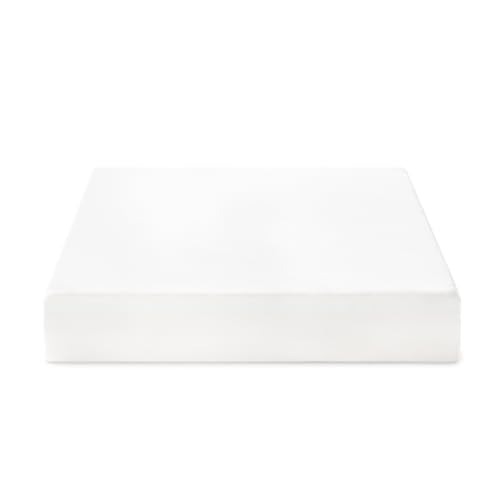
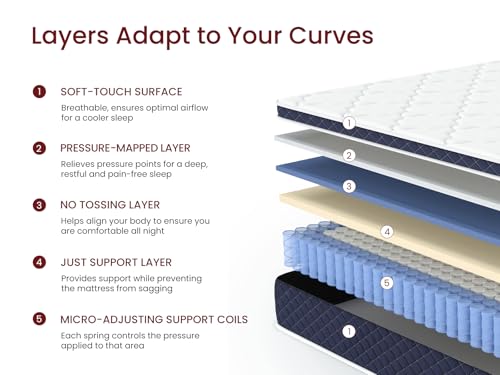
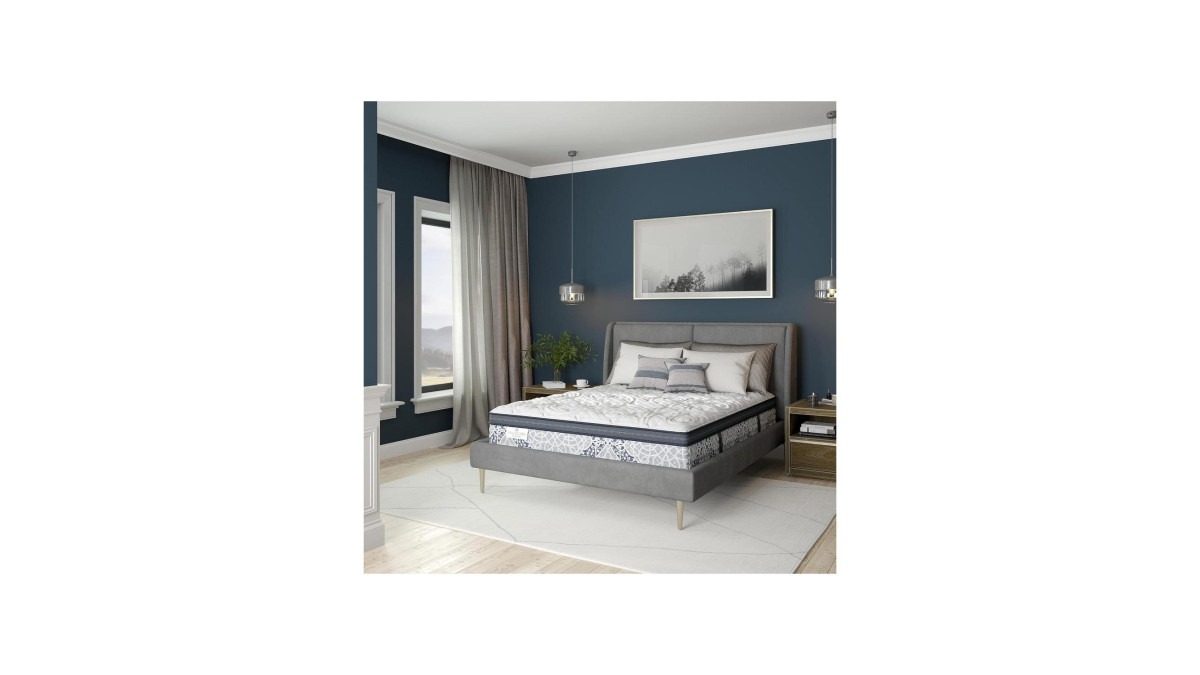
Leave a Reply