
Did you ever buy a mattress based on what a friend told you, only to find it wasn’t quite right for you? It’s easy to get caught up in popular advice, but when it comes to something as important as sleep, we need to rely on solid information. This post will clear up common mattress myths and facts.
You’ll learn what truly matters for a good night’s sleep, helping you make a better choice and feel more confident about your purchase.
Common Mattress Myths And Facts Explained
Many people hold beliefs about mattresses that simply aren’t true. These myths can lead to poor purchasing decisions and, consequently, less restful sleep. Understanding the reality behind these common misconceptions is key to finding a mattress that truly supports your health and comfort.
This section will dissect popular myths and present the factual basis for what makes a mattress a good choice for you.
The Firmness Myth
A widespread myth suggests that firmer mattresses are always better for your back. This idea often leads people to choose extra-firm options, believing they offer superior support. However, the truth is more nuanced.
-
Myth: Harder is always better for your back. This is not universally true. While some support is crucial, a mattress that is too firm can create pressure points on your hips and shoulders, leading to discomfort and pain. It might not conform to your body’s natural curves.
-
Fact: Comfort and support are a balance. The best mattress for back pain depends on individual body weight, sleeping position, and personal preference. A mattress that is too hard can misalign your spine by preventing your natural curves from being supported. Conversely, a mattress that is too soft might cause your body to sink too much, also leading to misalignment.
-
Fact: Medium-firm is often ideal for many. Many sleep experts recommend a medium-firm mattress as a good starting point. This firmness level typically offers a balance of support to keep the spine aligned and cushioning to relieve pressure points. It can accommodate a wider range of sleeping positions and body types.
The “One Size Fits All” Myth
Another common misconception is that there is one type of mattress that is perfect for everyone. This often stems from general advertising or recommendations that don’t consider individual needs.
-
Myth: All mattresses are created equal. People often assume that if a mattress is popular or highly rated, it will work for them. This ignores the vast differences in body types, sleeping habits, and health conditions among individuals.
-
Fact: Individual needs vary greatly. Your body weight, your preferred sleeping position (side, back, stomach), and any existing pain or health issues all play a significant role in determining the best mattress for you. For example, a side sleeper might need more contouring and pressure relief than a back sleeper.
-
Fact: Trial periods are your best friend. Because needs are so personal, most reputable mattress companies now offer generous sleep trials. This allows you to test a mattress in your own home and return it if it’s not a good fit. This is a much more reliable way to find your ideal mattress than relying on general advice.
The Price Myth
There’s a prevalent belief that the most expensive mattresses are always the best. While quality materials and advanced features can increase cost, a high price tag doesn’t guarantee perfect sleep for everyone.
-
Myth: You must spend a lot for a good mattress. Consumers often feel pressured to buy the priciest option, thinking it’s the only way to get quality. This can lead to overspending on features that might not be beneficial for their specific needs.
-
Fact: Value is found in suitability. A mattress’s value is determined by how well it meets your personal needs for comfort, support, and durability, not just its price. A mid-range mattress that perfectly suits your sleeping style can be a much better investment than an expensive one that causes discomfort.
-
Fact: Technology doesn’t always equal better. While advancements in materials and design are beneficial, don’t be swayed solely by fancy terminology. Focus on how the mattress feels and supports your body. Many innovative mattress companies offer great value at more accessible price points, especially online.
Decoding Mattress Materials
The materials used in a mattress significantly impact its feel, support, durability, and temperature regulation. Understanding these materials helps in identifying what makes a mattress suitable for different sleepers. We’ll explore the most common mattress components and what they mean for your sleep.
Innerspring Mattresses
Innerspring mattresses are one of the oldest and most common types. They use a system of metal coils to provide support.
-
Coil Count Matters, But Not Always As You Think. A higher coil count traditionally meant better support and durability. However, the type and gauge of the coils are more important than the sheer number. Bonnell coils are older and less responsive, while individually wrapped pocket coils offer better motion isolation and contouring.
-
Motion Isolation Varies Greatly. In traditional innerspring mattresses, movement can easily transfer across the bed, disturbing a partner. Modern pocketed coil systems greatly reduce this, making them a good choice for couples. This is a key factor for many people choosing a mattress.
-
Airflow and Temperature. The open structure of innerspring coils allows for good airflow, which can help dissipate heat. This makes them a cooler option for people who tend to sleep hot. However, the comfort layers on top can affect this airflow.
Memory Foam Mattresses
Memory foam, also known as viscoelastic foam, is famous for its contouring and pressure-relieving properties. It softens with body heat, allowing it to mold to your shape.
-
Pressure Relief is a Key Benefit. Memory foam excels at distributing body weight evenly. This reduces pressure points on areas like hips and shoulders, which is particularly beneficial for side sleepers or individuals experiencing joint pain. This can lead to fewer wake-ups during the night.
-
Heat Retention Can Be an Issue. Traditional memory foam can trap body heat, leading to a warmer sleep experience. Many modern memory foam mattresses incorporate cooling technologies, such as gel infusions, open-cell structures, or phase-change materials, to combat this. This is an important consideration for hot sleepers.
-
Density Affects Durability and Feel. The density of memory foam, measured in pounds per cubic foot (PCF), impacts its feel and longevity. Higher density foam generally offers better durability and support but can feel firmer and retain more heat. Lower density foam might feel softer and sleep cooler but could degrade faster.
Latex Mattresses
Latex mattresses are made from the sap of rubber trees (natural latex) or synthetic materials (synthetic latex). They offer a responsive feel and good durability.
-
Natural vs. Synthetic Latex. Natural latex is generally more breathable, durable, and eco-friendly than synthetic latex. It’s also hypoallergenic and resistant to dust mites and mold.
Synthetic latex is often more affordable but may not offer the same benefits.
-
Responsiveness and Bounce. Latex mattresses are known for their “bounce.” Unlike memory foam, which can feel like you’re sinking into quicksand, latex provides a more buoyant, “on top of the mattress” feel. This makes it easier to change positions during the night.
-
Durability and Longevity. Both natural and high-quality synthetic latex are very durable. A latex mattress can last 15-20 years or even longer, making it a significant long-term investment. They tend to hold their shape and support very well over time.
Hybrid Mattresses
Hybrid mattresses combine the support of innerspring coils with the comfort layers of foam or latex. This blend aims to offer the best of both worlds.
-
Best of Both Worlds. Hybrids typically feature an innerspring coil support core, similar to traditional mattresses, but are topped with thick layers of memory foam, latex, or other specialty foams. This provides contouring and pressure relief along with the bounce and support of coils.
-
Good for All Sleepers. The combination of support and comfort layers makes hybrids versatile. They often provide good edge support, breathability, and a balanced feel that suits a wide range of sleeping positions and preferences. This makes them a popular choice for many consumers.
-
Motion Transfer Varies. The quality of the pocketed coil system and the thickness of the foam layers greatly influence motion isolation in hybrid mattresses. Higher-end hybrids often use advanced coil systems and dense foam to minimize partner disturbance, making them a great option for couples.
Understanding Mattress Support And Firmness
The terms “support” and “firmness” are often used interchangeably, but they refer to different aspects of a mattress. Proper support is critical for spinal alignment, while firmness dictates how the mattress feels against your body. Distinguishing between them is vital for making an informed choice.
What is Mattress Support
Mattress support refers to the ability of the mattress to keep your spine in neutral alignment while you sleep. It’s about preventing your body from sinking too deeply or being pushed into unnatural positions.
-
Spinal Alignment is Key. The primary goal of mattress support is to ensure your spine maintains its natural ‘S’ curve, whether you sleep on your back, side, or stomach. This means your mattress should cradle your body without causing sagging in the lumbar region or excessive pressure on your joints.
-
Body Weight Influences Support Needs. Lighter individuals might find a softer mattress provides adequate support because their body weight doesn’t sink as deeply. Heavier individuals typically require a firmer mattress with a strong support core to prevent excessive sinking and maintain spinal alignment.
-
Support is Not the Same as Firmness. A mattress can be very soft yet still offer good support if it has a responsive core that prevents excessive sinking. Conversely, a very firm mattress might feel hard but offer poor support if it doesn’t contour to the body’s curves, creating gaps between the mattress and your body.
What is Mattress Firmness
Mattress firmness refers to how soft or hard a mattress feels on the surface. It’s a subjective measure that dictates the initial comfort and pressure relief you experience.
-
The Feel Factor. Firmness is about the initial sensation when you lie down. It’s often rated on a scale from 1 to 10, with 1 being extremely soft and 10 being extremely firm. Most mattresses fall between 3 and 8.
-
Pressure Point Relief. Softer mattresses tend to offer more immediate pressure relief because they conform more closely to the body, cushioning prominent areas like hips and shoulders. This is often preferred by lighter individuals and side sleepers.
-
Different Firmness Levels for Different Sleepers.
- Soft (2-3): Best for lightweight individuals, side sleepers needing maximum cushioning.
- Medium-Soft (4): Good for lighter side sleepers and some back sleepers who prefer a plush feel.
- Medium (5-6): A popular choice for many, offering a balance of comfort and support for various sleeping positions.
- Medium-Firm (7): Ideal for average to heavier individuals, back sleepers, and stomach sleepers who need more support.
- Firm (8-9): Best for heavier individuals and stomach sleepers who need to prevent their hips from sinking too low.
| Firmness Level | Best For | Description |
|---|---|---|
| Soft | Lightweight individuals, Side Sleepers | Deep contouring, maximum pressure relief. |
| Medium-Soft | Lightweight Side Sleepers, some Back Sleepers | Plush feel with moderate contouring. |
| Medium | Most Sleepers, couples, combination sleepers | Balanced comfort and support, versatile. |
| Medium-Firm | Average to Heavy individuals, Back Sleepers, Stomach Sleepers | Solid support with some comfort layering. |
| Firm | Heavy individuals, Stomach Sleepers | Maximum support, minimal sinkage. |
Debunking Mattress Maintenance Myths
Proper mattress maintenance can extend its lifespan and ensure it continues to provide optimal comfort and support. However, many misconceptions exist about how to care for a mattress, leading to improper practices that can damage the mattress or reduce its effectiveness.
The “Never Flip or Rotate” Myth
Some people believe that mattresses, especially modern ones, should never be flipped or rotated. While it’s true that many modern mattresses are designed for one-sided use, rotation is still beneficial.
-
Myth: Modern mattresses don’t need flipping. This is largely true. Many contemporary mattresses, particularly those made entirely of foam or hybrids with specific comfort layers on top, are designed as one-sided and cannot be flipped. Flipping them would mean sleeping on the support base, which is not designed for comfort.
-
Fact: Rotation is still important for even wear. Even one-sided mattresses benefit from rotation. Rotating the mattress 180 degrees head-to-toe helps distribute wear more evenly across the sleeping surface. This prevents premature sagging or the development of body impressions in the areas where you sleep most often.
-
Fact: Check manufacturer guidelines. Always consult your mattress manufacturer’s warranty and care instructions. They will specify whether the mattress can be flipped or rotated, and how often it should be done (typically every 3-6 months). Following these guidelines ensures you don’t void your warranty and get the longest life from your mattress.
The “Mattresses Don’t Need Cleaning” Myth
Another common but incorrect belief is that mattresses are self-cleaning or don’t require any form of cleaning. This can lead to unhygienic sleeping conditions.
-
Myth: Mattresses stay clean on their own. Over time, mattresses accumulate dust, dead skin cells, sweat, and body oils. These can contribute to allergens, dust mites, and unpleasant odors, affecting sleep quality and hygiene.
-
Fact: Regular cleaning is essential. A light, regular cleaning routine can make a significant difference. Vacuuming your mattress every few months helps remove dust and allergens from the surface and from within the fabric. For spills or stains, spot cleaning with a mild detergent and water is usually recommended.
-
Fact: Deodorizing with baking soda. To freshen up your mattress, you can sprinkle a generous amount of baking soda over the surface, let it sit for a few hours (or overnight), and then vacuum it up. This helps absorb odors and moisture. A mattress protector is also a great way to keep your mattress cleaner longer.
The “Mattress Protectors Are Unnecessary” Myth
Some people opt out of using mattress protectors, thinking they are an unnecessary expense or that they will detract from the mattress’s comfort.
-
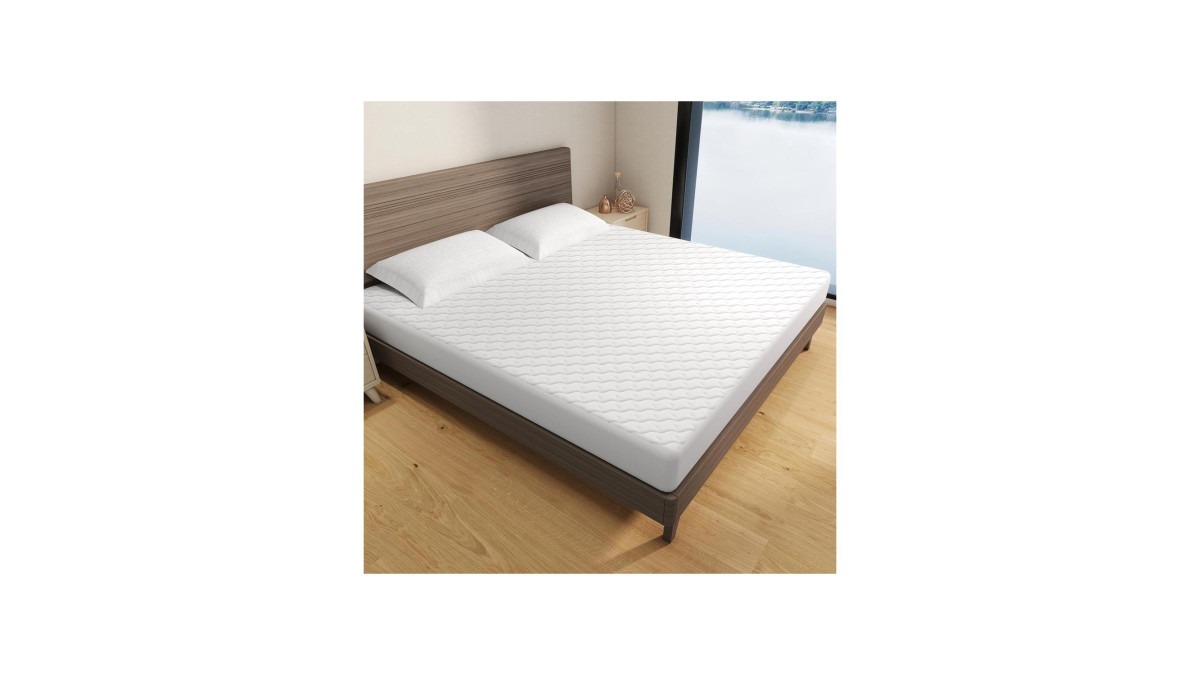
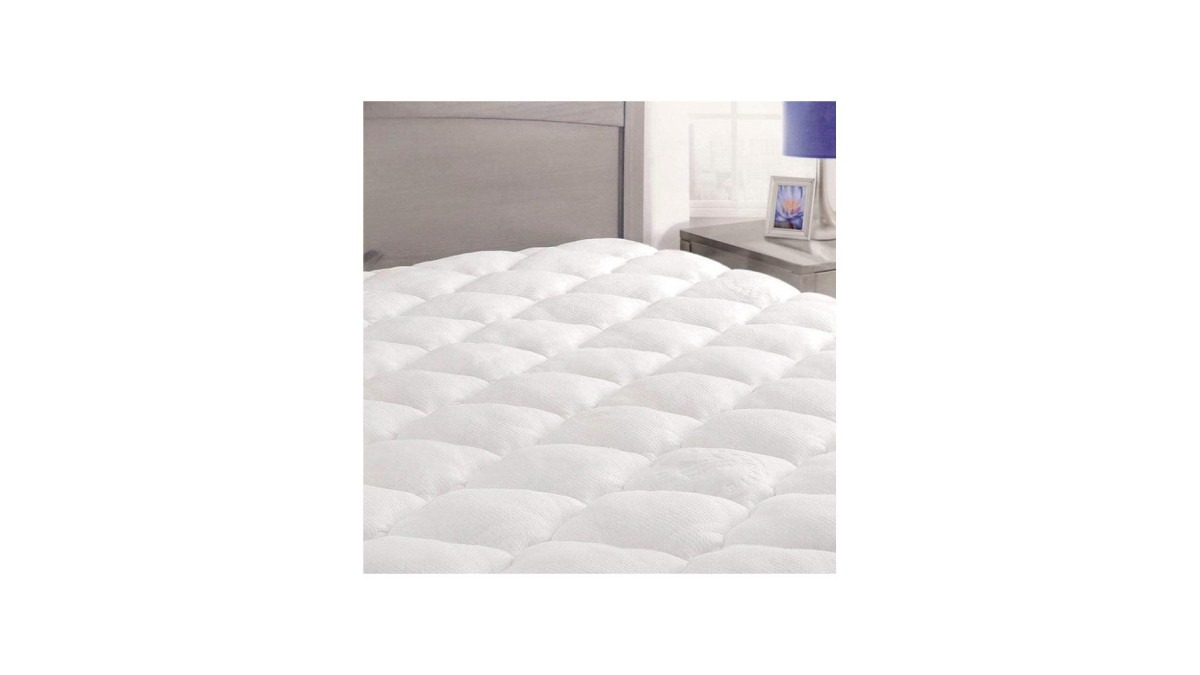
Myth: Protectors hinder comfort or breathability. While some older or poorly made protectors might have felt stiff or noisy, modern mattress protectors are designed to be thin, breathable, and quiet. Many are made from materials that feel like a soft sheet and don’t significantly alter the feel of your mattress.
-
Fact: Protectors are a crucial investment. A good mattress protector shields your mattress from spills, stains, allergens, dust mites, and even bed bugs. This is especially important for protecting your investment, as many warranties are voided by stains or damage caused by bodily fluids.
-
Fact: Hygiene and longevity benefits. By preventing moisture and contaminants from reaching the mattress core, protectors significantly improve hygiene and can extend the lifespan of your mattress. They are much easier to wash than the mattress itself, making them a practical solution for maintaining a clean sleeping environment.
The Impact of Mattress Choice on Sleep Quality
Your mattress plays a pivotal role in your sleep quality, affecting everything from how quickly you fall asleep to how refreshed you feel upon waking. Understanding the connection between your mattress and your sleep can highlight the importance of making the right choice.
Body Temperature Regulation
Your mattress’s ability to manage heat can have a significant impact on your sleep. If a mattress traps too much heat, it can lead to discomfort and frequent awakenings.
-
Overheating Disrupts Sleep Cycles. As your body temperature naturally drops during sleep, a mattress that retains too much heat can interfere with this process. This can lead to tossing and turning, difficulty falling asleep, and fragmented sleep, preventing you from reaching deeper, more restorative sleep stages.
-
Breathable Materials Make a Difference. Materials like latex and some types of advanced memory foam with cooling gels or open-cell structures are designed to promote airflow. Innerspring and hybrid mattresses also tend to offer better breathability due to the air circulation around the coils.
-
Personal Factors Matter. Your personal body temperature, the climate you live in, and even your sleepwear can influence how hot you sleep. If you’re a natural hot sleeper, prioritizing a mattress with cooling features is essential. A mattress that feels comfortably warm in a cool room might feel uncomfortably hot in a warmer environment.
Motion Transfer and Sleep Disruptions
For individuals sharing a bed, motion transfer can be a major source of sleep disruption. A mattress’s ability to absorb movement is crucial for undisturbed sleep.
-
Partner Movement Can Wake You. If your partner tosses and turns, gets out of bed frequently, or has different sleep schedules, you might be woken up by the movement rippling across the mattress. This is especially common in older or very basic innerspring mattresses.
-
Foam and Pocketed Coils Excel Here. Memory foam mattresses are renowned for their excellent motion isolation because the foam absorbs movement rather than transferring it. Pocketed coil systems in hybrid and some innerspring mattresses also significantly reduce motion transfer compared to traditional connected coils.
-
Testing for Motion Transfer. When testing a mattress, you can simulate partner movement by pressing down on one side of the bed while placing a glass of water on the other. If the glass doesn’t vibrate significantly, the mattress likely has good motion isolation. Online reviews often detail a mattress’s motion transfer performance.
Long-Term Comfort and Support
The initial comfort of a mattress is important, but its long-term ability to provide consistent support and comfort is what truly contributes to better sleep over the years.
-
Durability and Sagging. A mattress that loses its support or develops significant body impressions quickly will lead to discomfort and potential pain. High-quality materials and construction are key to a mattress’s longevity and sustained comfort. Cheap foam or low-gauge coils can break down faster.
-
Adapting to Body Changes. Your body weight and needs can change over time. A mattress that felt perfect initially might become too soft or too firm as your body adapts. However, a mattress with excellent support and durable materials is more likely to remain suitable for longer.
-
The Role of Sleep Trials. Because long-term comfort is hard to gauge in a short store visit, sleep trials are invaluable. They allow you to experience the mattress over weeks or months, ensuring it continues to meet your needs for both comfort and support through different sleeping positions and durations.
Frequently Asked Questions
Question: Do I need to break in a new mattress?
Answer: Yes, most new mattresses require a break-in period. This typically lasts from a few days to a few weeks. During this time, the materials settle and adjust to your body weight and sleeping habits, allowing the mattress to reach its intended feel and support levels.
It’s normal for a mattress to feel slightly different after this initial period.
Question: How often should I replace my mattress?
Answer: The lifespan of a mattress varies, but generally, you should consider replacing it every 7 to 10 years. Signs that it’s time to replace include visible sagging, persistent discomfort, increased allergies, and diminished support. Older mattresses can harbor allergens and disrupt sleep quality.
Question: Is a mattress that is too firm bad for my health?
Answer: A mattress that is too firm can be detrimental to your health and comfort. It can create pressure points on your hips, shoulders, and back, leading to pain, stiffness, and misalignment of the spine. It might also cause you to toss and turn more, disrupting sleep.
Question: Can a mattress cause back pain?
Answer: Yes, a mattress can contribute to or worsen back pain if it does not provide adequate support or if it creates undue pressure. A mattress that is too soft may not keep your spine aligned, while one that is too firm may not allow your body to relax naturally, leading to strain.
Question: What is the best mattress for allergies?
Answer: For allergy sufferers, hypoallergenic materials are key. Latex mattresses, especially natural latex, are resistant to dust mites, mold, and mildew. Mattresses with tightly woven covers and those that can be easily cleaned or have washable covers are also good choices.
Using a mattress protector is highly recommended.
Conclusion
Choosing the right mattress involves separating popular beliefs from reality. Firmness is not always synonymous with support, and expensive doesn’t automatically mean better. Understanding mattress materials and your personal sleep needs is paramount.
Prioritize a mattress that offers balanced comfort and support for your specific sleeping position and body weight. Regular maintenance, like rotation and the use of a mattress protector, will ensure your investment lasts and continues to provide restful sleep for years to come.

Leave a Reply