
You just bought a new mattress, and it feels like sleeping on a cloud. But how long will that feeling last? Many of us wonder when it’s time to say goodbye to our trusty sleeping surface.
This guide will help you understand the lifespan of different mattress types. We’ll explain how to tell when yours needs replacing, helping you make informed decisions about your sleep. Get ready to learn everything about your mattress lifespan guide.
How Long Do Mattresses Last
Understanding how long mattresses typically last is the first step in knowing when to consider a replacement. This general knowledge helps set expectations and can prevent you from holding onto a mattress for too long, which can negatively impact your sleep quality and health. Different materials and construction methods contribute to varying lifespans.
Factors Affecting Mattress Lifespan
Several elements play a role in how long your mattress will serve you well. The materials used are a major factor, with some being more durable than others. The way you care for your mattress also makes a big difference.
- Mattress Material: The core components of a mattress greatly influence its longevity. For instance, high-density foams and individually pocketed coils tend to be more durable than lower-quality foams or innerspring systems with fewer coils. Natural latex also boasts impressive durability due to its resilient nature.
- Usage and Weight Distribution: Who sleeps on the mattress and how they sleep can affect its lifespan. A mattress used by two heavier individuals will likely experience more wear than one used by a single lighter person. Consistent use without breaks can also accelerate wear.
- Sleep Habits and Movement: Frequent tossing and turning can put extra stress on mattress components, especially in the comfort layers. Over time, this can lead to premature sagging or loss of support.
- Protective Measures: Using a waterproof mattress protector can shield your mattress from spills, body oils, and allergens. This protection helps maintain the mattress’s integrity and hygiene, thereby extending its usable life.
- Base or Foundation: The support system beneath your mattress is crucial. An old, worn-out box spring or a slatted base with wide gaps can cause a mattress to sag prematurely, shortening its lifespan. Ensuring proper support is key.
General Mattress Lifespan Estimates
While many factors are at play, general estimates exist for how long different types of mattresses are expected to last. These are averages, and individual experiences can vary.
Innerspring mattresses, especially those with basic coil systems, often have the shortest lifespan, typically ranging from 5 to 7 years. This is due to the coils becoming less supportive over time and the padding layers compressing.
Memory foam and latex mattresses generally offer longer lifespans. High-quality memory foam mattresses can last between 7 to 10 years, while natural latex mattresses are known for their exceptional durability, often lasting 10 to 15 years or even longer with proper care. Hybrid mattresses, which combine coils with foam or latex layers, usually fall in the middle, with lifespans of 7 to 10 years.
Signs Your Mattress Needs Replacing
Knowing when to
Physical Indicators of Wear
Visible and tangible signs of wear are the most direct indicators that your mattress is nearing the end of its useful life. These are often the first clues that something needs attention.
- Sagging or Indentations: If your mattress has developed noticeable dips or sags where you sleep, it’s a clear sign that the support layers have broken down. This can cause your spine to misalign, leading to back pain.
- Lumps or Unevenness: Over time, the internal materials of a mattress can shift or clump together, creating an uneven surface. This makes it uncomfortable to find a good sleeping position and can disrupt sleep.
- Edge Breakdown: The edges of a mattress are often the first to show wear. If the perimeter feels soft or collapses when you sit on it, it diminishes the usable sleeping surface and can make getting in and out of bed more difficult.
Changes in Sleep Quality
Your sleep quality itself can be a powerful indicator that your mattress is no longer suitable. Subtle changes can accumulate and have a significant impact on your overall well-being.
- Increased Aches and Pains: Waking up with unexplained back pain, neck stiffness, or general discomfort is a common sign that your mattress is not providing adequate support. A healthy mattress should cradle your body and keep your spine aligned.
- Difficulty Sleeping Soundly: If you find yourself tossing and turning more than usual, unable to get comfortable, or waking up frequently, your mattress might be the culprit. A worn-out mattress can create pressure points that disturb your sleep.
- Allergies or Respiratory Issues: Mattresses can accumulate dust mites, mold, and allergens over time. If you notice increased sneezing, congestion, or other allergy symptoms, especially in the morning, your mattress might be harboring irritants that need to be cleaned or replaced.
Age of the Mattress
While physical signs are important, the age of your mattress is also a significant factor, as outlined in this mattress lifespan guide. Even if it appears to be in decent shape, its internal support structure may have deteriorated.
Generally, most mattresses are recommended for replacement every 7 to 10 years. This is a good rule of thumb, especially if you haven’t noticed any severe issues but are approaching this age. The materials simply lose their resilience and support over time, regardless of how it looks on the surface.
Extending Your Mattress’s Lifespan
Fortunately, you can take several steps to help your mattress last longer and maintain its comfort and support. Proactive care can make a noticeable difference in how many years you get out of your investment.
Proper Support
The foundation your mattress rests on is critical for its longevity. Without adequate support, even the most durable mattress will falter.
- Use a Quality Foundation: Ensure your mattress is on a suitable foundation. For innerspring mattresses, this often means a box spring. For foam or hybrid mattresses, a solid or slatted platform bed with slats no more than 2-3 inches apart is recommended.
- Check Foundation Condition: Periodically inspect your bed frame and foundation for any signs of wear, such as sagging or broken components. A faulty foundation can put uneven pressure on your mattress.
Regular Cleaning and Maintenance
Keeping your mattress clean extends its life and improves sleep hygiene. Simple cleaning practices can prevent damage and keep it feeling fresh.
- Vacuum Regularly: Use your vacuum cleaner’s upholstery attachment to gently vacuum the surface of your mattress at least every few months. This removes dust, dead skin cells, and allergens that can accumulate.
- Spot Clean Spills Immediately: Accidents happen. If you spill something, blot the area immediately with a clean, dry cloth. Use a mild soap and water solution if necessary, but avoid soaking the mattress, as excess moisture can lead to mold and mildew.
- Air It Out: Occasionally, strip your bed and let your mattress air out for a few hours, especially if it’s a new mattress or has been in a humid environment. This helps dissipate moisture and odors.
Rotation and Flipping
This maintenance practice helps distribute wear evenly across the mattress, preventing premature sagging in specific areas. The method depends on the type of mattress you have.
- Rotating Your Mattress: For most modern mattresses, especially those with a distinct top and bottom (comfort layers on one side), rotation is key. Rotate your mattress 180 degrees head-to-toe every 3 to 6 months. This ensures that different parts of the mattress bear weight over time.
- Flipping Your Mattress: Older innerspring mattresses or those designed for dual-sided use can be flipped. If your mattress is flippable, flip it over every 3 to 6 months in addition to rotating it. However, most memory foam, latex, and many hybrid mattresses are not designed to be flipped and should only be rotated.
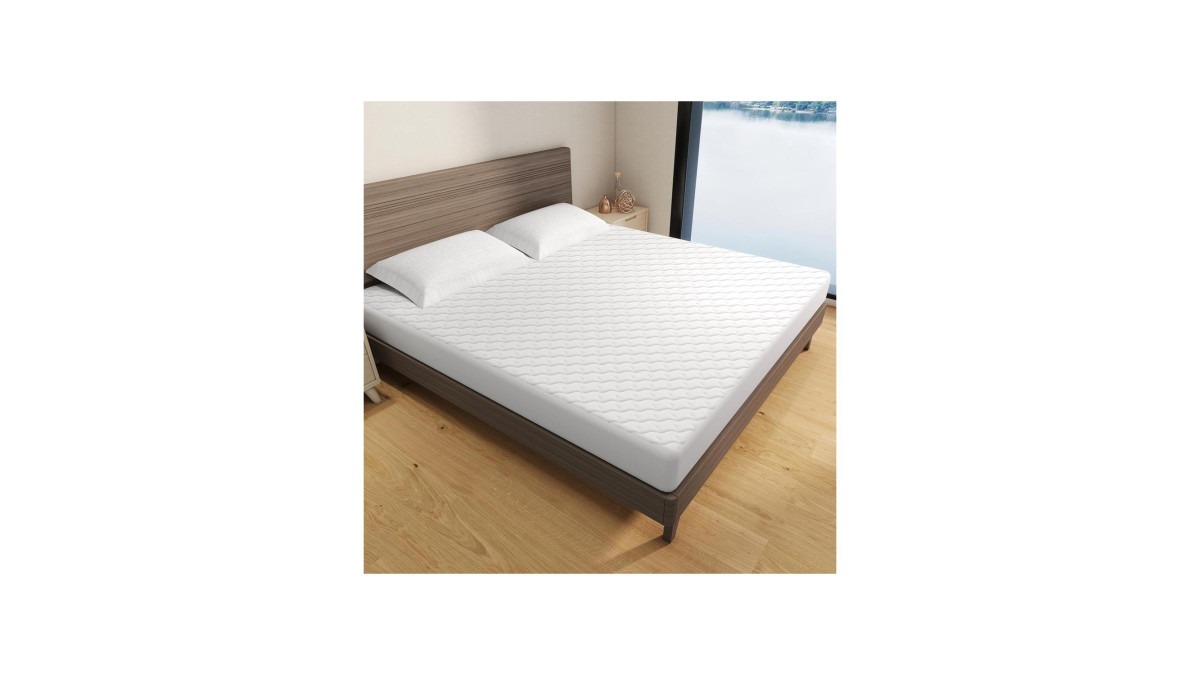
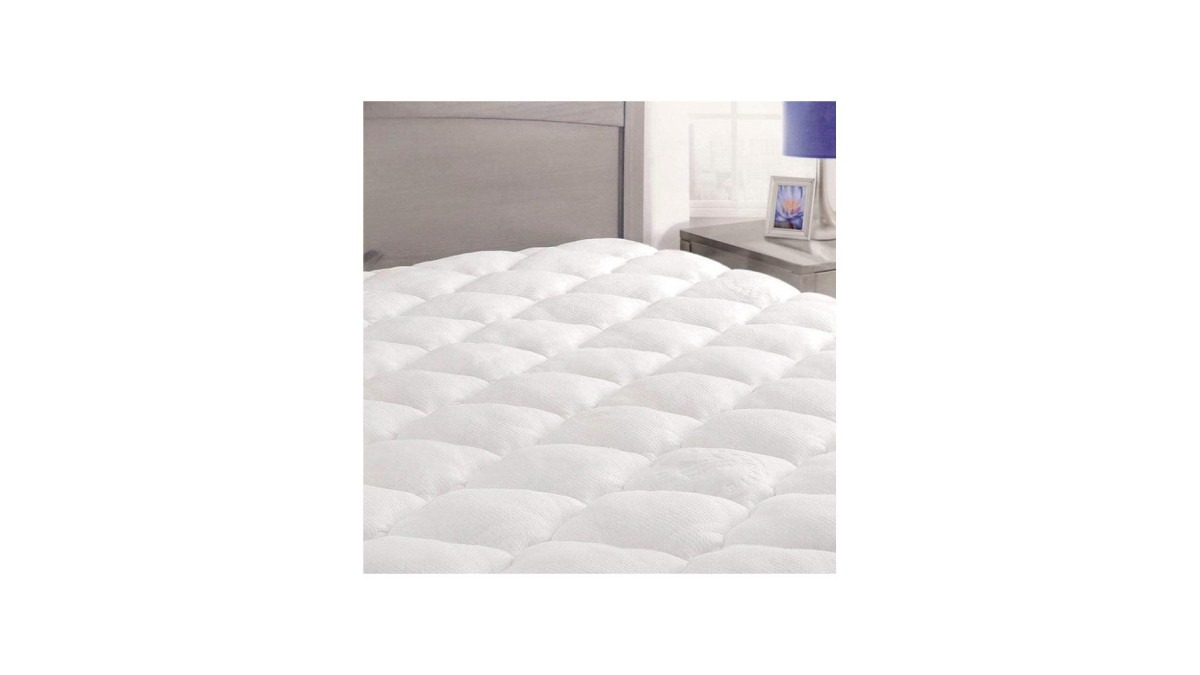
Using a Mattress Protector
A good mattress protector is an invaluable tool for extending the life of your mattress. It acts as a barrier against common threats to mattress longevity.
A waterproof mattress protector prevents liquids from seeping into the mattress. This is crucial for avoiding stains, mold, and mildew growth that can compromise the mattress’s structure and your health. It also guards against dust mites, allergens, and general wear and tear from body oils and sweat.
Look for breathable, washable protectors to maintain comfort and hygiene.
Understanding Different Mattress Types and Lifespans
The materials and construction of a mattress significantly influence how long it will last. Each type of mattress has its own set of characteristics that affect its durability and the typical lifespan you can expect. This part of the mattress lifespan guide explores these differences.
Innerspring Mattresses
These are the most traditional type of mattress, characterized by their coil support system. Their lifespan can vary greatly depending on the quality and type of coils used.
Basic innerspring mattresses with a Bonnell coil system or fewer coils tend to wear out faster, often within 5 to 7 years. The coils can lose their tension and support, and the thin comfort layers on top can compress quickly. Higher-end innerspring mattresses with individually pocketed coils and thicker comfort layers can last longer, sometimes up to 7 to 8 years, but they are still generally less durable than foam or latex options.
Memory Foam Mattresses
Memory foam mattresses are popular for their contouring and pressure relief. Their lifespan is primarily determined by the density and quality of the foam.
Higher-density memory foam (around 5 pounds per cubic foot or more) is more durable and resistant to sagging. These mattresses can last between 7 to 10 years. Lower-density foams may start to show wear, such as body impressions and a loss of firmness, within 5 to 7 years.
The quality of the base foam also plays a role; a sturdy base foam prevents the comfort layers from sinking too deeply.
Latex Mattresses
Latex mattresses, whether natural or synthetic, are known for their durability and responsiveness. Natural latex, in particular, is highly resilient and resistant to degradation.
Natural latex mattresses are often considered the most durable type, with lifespans ranging from 10 to 15 years, and some even exceeding 20 years with proper care. Synthetic latex is generally less durable but still offers a good lifespan, typically around 7 to 10 years. The density of the latex also contributes to its longevity.
Hybrid Mattresses
Hybrid mattresses combine the support of an innerspring system with the comfort layers of foam or latex. Their lifespan is a blend of the characteristics of their components.
Generally, hybrid mattresses last between 7 to 10 years. The durability of the coil system and the quality of the foam or latex comfort layers are the main determinants. A hybrid with a robust pocketed coil system and high-density foam or latex will typically last longer than one with a less durable coil system and thinner comfort layers.
Choosing a Mattress for Longevity
When you’re looking for a mattress that will stand the test of time, consider the materials and warranty. These factors offer clues to a mattress’s expected lifespan and the manufacturer’s confidence in its durability.
- Invest in Quality Materials: Opt for mattresses made with high-density foams, natural latex, or high-quality pocketed coils. These materials are inherently more durable and resistant to wear and tear.
- Check the Warranty: A longer warranty period, especially one that covers sagging beyond a certain depth (e.g., 1 inch or more), can indicate a manufacturer’s confidence in their product’s durability. Read the warranty details carefully to understand what is covered and for how long.
- Read Reviews: Look for reviews that specifically mention the mattress’s longevity and how well it holds up over several years of use. This real-world feedback can be invaluable in assessing a mattress’s potential lifespan.
When It’s Time to Replace Your Mattress
Deciding when to replace your mattress involves evaluating its age, condition, and impact on your sleep. There isn’t one single magic number, but rather a combination of factors to consider.
The 7-10 Year Rule
As a general guideline, most mattress manufacturers and sleep experts recommend replacing your mattress every 7 to 10 years. This is an average lifespan, and some mattresses may last longer or shorter periods.
After 7 years, even if a mattress doesn’t show obvious signs of wear, its internal support structure can degrade. Materials lose their resilience and ability to provide proper spinal alignment. Continuing to sleep on an old mattress can lead to chronic pain and disrupted sleep.
Assessing Mattress Condition
Beyond age, a thorough assessment of your mattress’s condition is vital. Pay attention to how it feels and looks.
Visible sagging, persistent lumps, torn fabric, or a distinct smell are all strong indicators that it’s time for a replacement. If the edges of your mattress have collapsed, making it difficult to sit or sleep near the perimeter, this also signifies the end of its life.
Impact on Sleep and Health
The most critical factor in deciding to replace your mattress is its effect on your sleep and overall health. Your mattress should contribute to restful sleep, not hinder it.
If you’re experiencing increased discomfort, persistent pain, allergies, or find yourself sleeping less soundly, your mattress is likely the cause. A worn-out mattress can no longer provide the necessary support for proper spinal alignment, leading to a cascade of health issues, from back problems to poor circulation. Investing in a new mattress is an investment in your well-being.
Frequently Asked Questions
Question: How often should I rotate my mattress
Answer: You should aim to rotate your mattress 180 degrees head-to-toe every 3 to 6 months to ensure even wear.
Question: Can a mattress protector really extend mattress life
Answer: Yes, a mattress protector shields your mattress from spills, moisture, and allergens, preventing damage and extending its lifespan.
Question: What is the average lifespan of a memory foam mattress
Answer: A good quality memory foam mattress typically lasts between 7 to 10 years.
Question: Are expensive mattresses more durable
Answer: Often, yes. Higher-priced mattresses typically use higher-density materials and better construction, contributing to a longer lifespan.
Question: Should I replace my mattress if it still looks good
Answer: If your mattress is around 7-10 years old, even if it looks good, its internal support may have degraded, impacting sleep quality, and it might be time for a replacement.
Summary
Your mattress plays a vital role in sleep quality and health. Understanding its lifespan, recognizing signs of wear, and practicing proper maintenance can help you get the most out of it. This guide has equipped you with knowledge about mattress types, care tips, and replacement indicators.
Prioritize your sleep by ensuring your mattress provides optimal support and comfort for years to come.

Leave a Reply