
Shopping for a new mattress can feel like a big decision. You might have had a sleepless night on an old, uncomfortable bed and are finally ready for an upgrade. But walking into a mattress store can be overwhelming with all the options.
The good news is, there are smart ways to test a mattress to find the perfect fit for you. This guide will show you exactly how to test a mattress before buying so you make a choice you’ll love for years to come.
Why Testing a Mattress Matters So Much
Choosing the right mattress is a big deal for your sleep quality and overall health. A good mattress can improve your sleep, reduce aches and pains, and boost your mood. A bad one can do the opposite.
That’s why knowing how to test a mattress before buying is so important. It helps you avoid costly mistakes and ensures you get a bed that truly supports your body and sleep style. This post will walk you through the essential steps and considerations for a confident mattress purchase.
Understanding Mattress Types
Before you even start testing, it helps to know the basic types of mattresses available. Each offers different feels and support levels. Understanding these differences will help you narrow down your choices and focus your testing on what’s most likely to work for you.
-
Innerspring Mattresses
These are the most traditional type, using a system of coils for support. They tend to be bouncy and offer good airflow, which can help keep you cool. They come in various firmness levels, from soft to extra firm.
The type and number of coils can affect the feel and durability. For example, Bonnell coils are common and budget-friendly, while pocketed coils offer better motion isolation and contouring.
-
Memory Foam Mattresses
Made entirely of foam layers, these mattresses conform closely to your body, relieving pressure points. They are known for excellent motion isolation, making them a good choice for couples. Memory foam can sometimes retain heat, though many newer models include cooling technologies like gel infusions or open-cell structures.
They offer a sinking feeling that many find very comfortable and supportive.
-
Latex Mattresses
Latex offers a responsive and buoyant feel, similar to memory foam but with more bounce. It’s also naturally cooler and more durable than traditional memory foam. Latex can be made from natural rubber trees or synthetic materials, each with slightly different properties.
Natural latex is hypoallergenic and eco-friendly. It provides excellent support and pressure relief, cradling your body without that deep sinking sensation.
-
Hybrid Mattresses
These combine the coil support of an innerspring mattress with the comfort layers of foam or latex. Hybrids aim to offer the best of both worlds: the bounce and breathability of coils with the contouring and pressure relief of foam. They are a popular choice for those who can’t decide between traditional and foam mattresses.
Key Factors to Consider
When you’re in the store, it’s easy to get distracted by fancy features. But focusing on a few key factors will help you find the best mattress for your needs. These are the fundamental elements that determine your comfort and support.
-
Firmness Level
Firmness is subjective but crucial. It’s often rated on a scale of 1 to 10. A softer mattress (3-4) is good for side sleepers who need extra cushioning.
Medium firmness (5-7) works well for most sleepers, including back and stomach sleepers. A firm mattress (8-9) offers the most support, beneficial for heavier individuals or those with back pain.
-
Support
Support refers to how well the mattress keeps your spine aligned. A mattress should support your natural spinal curve without letting your hips sink too low or forcing your spine into an unnatural position. Both too soft and too firm mattresses can lead to poor alignment and pain.
-
Pressure Relief
This is how well the mattress cushions your body’s pressure points, like shoulders, hips, and knees. Good pressure relief prevents tossing and turning, leading to more restful sleep. Memory foam and latex are excellent at this, while some innerspring mattresses may not offer enough.
-
Motion Isolation
If you share your bed, motion isolation is key. It means the mattress absorbs movement so you don’t feel your partner tossing and turning. Foam and latex mattresses typically excel at this, while traditional innerspring mattresses can transfer motion more readily.
-
Temperature Regulation
Some mattresses, especially older memory foam types, can trap body heat. If you tend to sleep hot, look for mattresses with cooling features like gel-infused foam, breathable covers, or innerspring systems for better airflow.
How to Test a Mattress Before Buying In Store
The in-store experience is your first chance to get hands-on with a mattress. While you can’t replicate a full night’s sleep, there are effective ways to simulate it and assess how a mattress will feel. This is where you apply your knowledge of mattress types and your personal preferences.
The 10-Minute Test
Dedicate a sufficient amount of time to each mattress you’re considering. Don’t just sit on the edge for a few seconds. Spend at least 10 minutes lying on each one in your typical sleeping positions.
-
Lie on Your Back
This position allows you to check for proper spinal alignment. Place your hand between your lower back and the mattress. If there’s a large gap, the mattress might be too firm.
If your hand can’t fit, it might be too soft. You should feel even support across your back.
-
Try Sleeping On Your Side
Your hips and shoulders should sink in slightly without feeling pressure. Check if your spine remains straight from your neck to your tailbone. If you feel pressure points digging into your shoulders or hips, the mattress isn’t offering enough contouring or is too firm for your side-sleeping style.
-
Test Your Stomach Sleeping Position
If you sleep on your stomach, ensure the mattress is firm enough to prevent your hips from sinking too low, which can strain your lower back. While stomach sleeping is generally discouraged by sleep experts due to potential neck and back strain, if it’s your primary position, test it thoroughly.
-
Roll Over
Mimic how you change positions during the night. Pay attention to how easily you can move and if you feel supported during the transition. This also helps assess motion transfer if you’re with a partner.
-
Sit On The Edge
While you’ll spend most of your time lying down, sitting on the edge can reveal how supportive the perimeter is. A strong edge can make it easier to get in and out of bed and can offer more usable sleeping surface.
-
Spend Time Relaxing
Try to relax and breathe naturally. Close your eyes and focus on how your body feels. Is there any discomfort?
Are you feeling cradled and supported? This mental check is just as important as the physical one.
Assessing Specific Features
During your 10-minute test, pay attention to specific sensations and features. This detailed assessment helps you pinpoint what you like and dislike.
-
Feel for Support Gaps
As you move, notice if there are any areas where you feel unsupported or where the mattress dips unnaturally. This can indicate poor construction or that the mattress is not suitable for your body type.
-
Check for Heat Retention
Place your hand on the surface for a minute or two. Does it feel noticeably warm? If you tend to overheat at night, this is a red flag.
Inquire about cooling technologies used in the mattress.
-
Evaluate the Cover and Materials
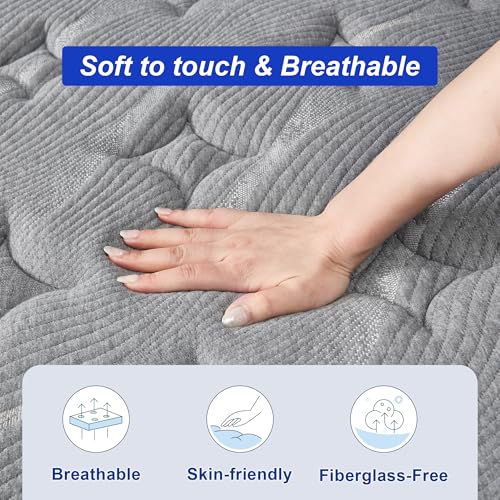
The fabric of the mattress can affect comfort and breathability. Some covers are designed to be cooler or softer to the touch. Gently press down on different parts of the mattress to feel the responsiveness of the materials.
-
Listen for Noises
Bounce lightly on the mattress and listen for any creaking or squeaking sounds, especially from the coil system if it’s an innerspring or hybrid. This could indicate a lower quality construction that might worsen over time.
What To Ask The Salesperson
Don’t hesitate to ask questions. Knowledgeable salespeople can provide valuable information about the mattress’s construction, materials, and warranty. This interaction is part of how to test a mattress before buying effectively.
-
What is the mattress made of?
Understanding the materials (e.g., coil gauge, foam density, latex type) helps you gauge durability and feel. For example, higher density foams generally last longer and provide better support.
-
What is the firmness rating?
While subjective, an official rating can help you compare it to other mattresses and understand where it falls on the spectrum. Ask for clarification if the rating seems inconsistent with how it feels.
-
What is the return policy and warranty?
This is crucial. A good return policy gives you a chance to try the mattress at home for an extended period, which is the ultimate test. A solid warranty protects against manufacturing defects.
-
How is motion transfer handled?
If you sleep with a partner, this is a key question. Ask about features designed to minimize disturbances from movement.
-
Is this mattress suitable for ?
Get a direct answer based on the mattress’s design and your stated needs. Don’t rely on generic advice; seek specific recommendations.
Testing Mattresses At Home The Right Way
The in-store test is a good start, but the real test happens in your own bedroom. Many companies now offer generous home trial periods, allowing you to experience the mattress in your natural sleep environment. This is invaluable for making a truly informed decision.
Leveraging Home Trial Periods
A home trial is the most effective way to determine if a mattress is right for you. It allows your body time to adjust and experience the mattress over several nights, not just a few minutes.
-
Give it Time
Don’t judge the mattress after just one or two nights. It can take your body several weeks to adjust to a new sleeping surface, especially if you’re switching from a very different type of mattress. Aim to try it for at least 30 nights, as recommended by many manufacturers.
-
Sleep In All Your Positions
Just like in the store, try sleeping in all your usual positions. Notice how you feel when you wake up. Are you experiencing less pain?
Are you more rested? This feedback is critical.
-
Test With Your Partner
If you share a bed, both partners should be actively testing the mattress. Pay close attention to how motion transfer affects your sleep. What feels good to one person might not feel as good to another, so open communication is key.
-
Use Your Own Bedding
Use your preferred pillows and sheets. Your bedding can influence how the mattress feels. For example, a very soft mattress might feel firmer with stiff, smooth sheets, while a firmer mattress might feel softer with plush bedding.
Signs a Mattress Isn’t Working
During the home trial, be honest about how you’re feeling. If you notice certain issues, it might be a sign the mattress isn’t the right fit.
-
Persistent Aches and Pains
If you wake up with new or worsening back pain, neck pain, or hip pain, the mattress might not be providing adequate support or alignment for your body. This is one of the most common indicators of a poor mattress match.
-
Tossing and Turning
If you find yourself constantly shifting positions throughout the night, it can indicate discomfort or lack of proper support. A good mattress should cradle your body and encourage uninterrupted sleep.
-
Feeling Hot or Cold
If you’re consistently too hot or too cold, and your room temperature hasn’t changed, the mattress’s temperature regulation might be an issue. This is particularly relevant if you experience significant heat buildup on a foam mattress.
-
Disrupted Sleep Due to Partner Movement
If you’re frequently woken up by your partner’s movements, the mattress is likely not providing sufficient motion isolation. This can significantly impact the sleep quality of both individuals.
What to Do if It’s Not a Good Fit
If, after giving it a fair chance, the mattress isn’t meeting your expectations, don’t hesitate to initiate a return. Understand the company’s process beforehand.
-
Review the Return Policy
Make sure you are within the specified return window. Note any fees associated with returns, such as restocking fees or pickup charges.
-
Contact Customer Service
Reach out to the company to explain the situation. They will guide you through the next steps, which may include scheduling a pickup or arranging for donation.
-
Prepare the Mattress for Pickup
Typically, you’ll need to have the mattress in its original packaging or otherwise protected for pickup. Ensure it’s ready to go on the scheduled day.
Common Pitfalls to Avoid
Even with the best intentions, people can make mistakes when buying a mattress. Being aware of these common pitfalls can save you time, money, and frustration. This knowledge is a critical part of knowing how to test a mattress before buying successfully.
Relying Solely on Online Reviews
Online reviews can be helpful, but they are not a substitute for personal testing. What works for one person may not work for you. People’s bodies, sleeping habits, and preferences are all different.
A mattress that receives rave reviews might still be uncomfortable for your specific needs.
-
Subjectivity of Comfort
Comfort is highly personal. A reviewer might prefer a very firm mattress for back support, while you might need a softer one for hip comfort. Their “excellent” could be your “terrible.”
-
Bias in Reviews
Some reviews may be incentivized or written by individuals with specific agendas. It’s hard to discern genuine feedback from marketing efforts sometimes. Always look for patterns of consistent feedback across many reviews rather than isolated opinions.
-
Outdated Information
Mattress models are often updated. Older reviews might not reflect the current version of a product, which could have significant design changes or material updates.
Ignoring Your Sleeping Position
Your primary sleeping position is one of the most significant factors in determining the right mattress. A mattress that’s perfect for a side sleeper can be disastrous for a stomach sleeper, and vice versa.
-
Side Sleepers Need Cushioning
Side sleepers require a mattress that allows their hips and shoulders to sink in gently to maintain spinal alignment. Too firm, and you’ll experience pressure points. Too soft, and your spine will curve unnaturally.
-
Back Sleepers Need Balanced Support
Back sleepers need a mattress that supports the natural curve of their spine without letting their lower back sag. Medium-firm to firm mattresses are often ideal.
-
Stomach Sleepers Need Firmness
Stomach sleepers require a firmer mattress to prevent their hips from sinking too deeply, which can lead to lower back strain. This position is generally the most challenging for spinal alignment.
-
Combination Sleepers Need Versatility
Those who change positions throughout the night need a mattress that offers good support and responsiveness for all sleeping styles. Hybrids and medium-firm foam mattresses often work well.
Not Considering Your Body Weight
Body weight plays a huge role in how a mattress feels and performs. A mattress might feel firm to a lighter person but much softer to a heavier individual. This impacts both comfort and durability.
-
Lighter Individuals (Under 130 lbs)
May find firmer mattresses too hard. They might need softer mattresses to experience adequate pressure relief and contouring. The mattress may not compress enough to engage its comfort layers.
-
Average Weight Individuals (130-230 lbs)
Typically experience mattresses according to their intended firmness level. They can often find comfortable options across a wide range of mattress types.
-
Heavier Individuals (Over 230 lbs)
Often require firmer and more supportive mattresses. Softer mattresses may not provide enough support, leading to excessive sinking and spinal misalignment. They should look for mattresses with strong core support and durable materials.
Purchasing Based Solely on Price
While budget is an important consideration, the cheapest mattress is rarely the best long-term solution. Investing a bit more upfront can lead to better sleep, fewer pain issues, and a mattress that lasts longer, ultimately saving you money.
-
Durability and Longevity
Higher-quality materials and construction often mean a mattress will last longer without sagging or losing its support. A cheap mattress might need replacing sooner, costing more in the long run.
-
Health Benefits
A good mattress can improve sleep quality, reduce back pain, and contribute to overall well-being. These health benefits are invaluable and often outweigh the initial cost savings of a cheap mattress.
-
Return Policies and Warranties
Reputable brands that offer good trial periods and warranties are often a sign of quality. They stand behind their products, which provides peace of mind. Cheaper options may have very restrictive terms or no warranty at all.
Sample Scenarios for Testing
Scenario 1: The Couple with Different Preferences
Sarah and Tom are buying a new mattress. Sarah prefers a softer feel for her shoulder pain when sleeping on her side, while Tom likes a firmer mattress to support his back as a stomach sleeper. They need a mattress that can accommodate both their needs.
They would look for a hybrid mattress with a medium-firm feel and good motion isolation. In the store, they would both spend 10 minutes on each mattress, testing their preferred sleeping positions. They would ask about mattresses with split firmness options or those known for excellent motion transfer cancellation.
A home trial would be essential for them to truly gauge if it meets both their comfort requirements without one of them compromising too much.
Scenario 2: The Solo Sleeper Seeking Relief
Maria is a single person who primarily sleeps on her side and has been experiencing hip pain. She’s looking for a mattress that offers excellent pressure relief. In the store, she would focus on memory foam or latex mattresses known for contouring.
She would spend her 10 minutes lying on her side, pressing into the mattress with her hip and shoulder to feel for pressure. She would also test how easily she can shift positions. A generous home trial period would be crucial for her to confirm that the mattress eliminates her hip pain over several weeks, which is the ultimate test for this specific need.
FAQ
Question: How long should I test a mattress in a store?
Answer: Aim for at least 10 minutes lying in your usual sleeping positions on each mattress you are seriously considering. Don’t rush the process.
Question: Can I really test a mattress at home?
Answer: Yes, most online mattress companies offer home trial periods, often ranging from 90 to 365 nights, allowing you to test the mattress in your own environment.
Question: What if I wake up with pain on my new mattress?
Answer: If you experience new or persistent pain after a few weeks of sleeping on a new mattress, it’s a strong sign it’s not the right fit, and you should consider using the return policy.
Question: How does my body weight affect mattress testing?
Answer: Body weight impacts how a mattress feels. Lighter individuals may need softer surfaces for pressure relief, while heavier individuals usually require firmer, more supportive mattresses to prevent excessive sinking.
Question: Should I buy a mattress online or in a store?
Answer: Both have pros and cons. Stores allow immediate testing, while online offers wider selection and home trials. Knowing how to test a mattress before buying is key regardless of where you shop.
Conclusion
Testing a mattress is about listening to your body. Take your time in the store, try different positions, and ask questions. Utilize home trial periods to confirm your choice.
Focus on firmness, support, and how it feels for your specific sleep style and body type. Making an informed decision ensures you invest in restful sleep for years to come.

Leave a Reply