
Choosing the best mattress for a person with cervical osteoarthritis involves selecting a firm mattress that supports the neck and spine’s natural alignment. A good mattress will also provide pressure relief and minimize motion transfer.
Cervical osteoarthritis, also known as neck arthritis, is a degenerative condition that targets the neck’s joints and discs. Patients with this condition may experience pain, stiffness, and reduced range of motion, leading to sleep disturbances. To combat these issues, selecting the right mattress is crucial.
The ideal mattress should be firm enough to provide the necessary support but not so hard that it adds to your discomfort. Additionally, a good mattress should reduce motion transfer and provide pressure relief. In this article, we will explore some factors to consider when choosing the best mattress for cervical osteoarthritis.

Credit: www.sciatica.com
Understanding Cervical Osteoarthritis And Its Impact On Sleep
Cervical osteoarthritis, also known as cervical spondylosis, is a degenerative condition that affects the cervical spine’s bones and discs. It is a common condition that affects most people as they age, especially those over 50 years old. Cervical osteoarthritis affects the neck’s mobility, causing the joints to become stiff, resulting in chronic pain, stiffness, and sleep disturbances.
Explanation Of What Cervical Osteoarthritis Is
Cervical osteoarthritis is a chronic degenerative condition that affects the bones, joints, and discs of the cervical spine. The condition is caused by wear and tear or aging of the discs that cushion the vertebrae. The degeneration leads to the development of bone spurs, which result in nerve compression and chronic pain.
Its Common Symptoms, Including Sleep-Related Ones
The following are the common symptoms of cervical osteoarthritis:
- Neck pain and stiffness
- Reduced flexibility and range of motion in the neck
- Tingling and numbness in the arms, hands, legs, and feet
- Muscle weakness in the arms, hands, legs, and feet
- Difficulty walking and balancing
- Headaches, specifically in the back of the head
- Sleep disturbances, including difficulty falling asleep, staying asleep, or waking up feeling rested.
The Importance Of Getting Enough Sleep And How Cervical Osteoarthritis Can Interfere
Sleep is essential for overall good health and wellbeing, and not getting enough quality sleep can have adverse effects on physical and mental health. For people with cervical osteoarthritis, sleep is even more critical as it helps reduce inflammation and pain, improves mood, and boosts immune function.
However, the condition can make it challenging to get enough quality sleep, resulting in chronic fatigue, decreased productivity, and poor quality of life.
Cervical osteoarthritis can interfere with sleep in the following ways:
- Pain: The chronic pain associated with the condition can make it challenging to fall asleep and wake up frequently during the night.
- Sleep apnea: Cervical osteoarthritis can lead to sleep apnea, a condition characterized by breathing interruptions during sleep, leading to sleep deprivation and fatigue.
- Restless legs syndrome: The condition can cause restless legs syndrome, which is an uncomfortable sensation in the legs that causes the need to move them, leading to disrupted sleep.
Overall, it is crucial to manage cervical osteoarthritis symptoms and seek treatment to improve sleep quality, promote healing, and improve overall physical and mental wellbeing.
Key Factors To Consider When Choosing A Mattress
Cervical osteoarthritis can be a painful and uncomfortable condition. It affects the neck’s joints, causing stiffness, soreness and muscle weakness. Ensuring that you have the right mattress can help minimize the symptoms and improve your overall sleep experience. In this blog post, we will highlight the key factors to consider when choosing a mattress for cervical osteoarthritis.
Importance Of Proper Support For Spine Alignment
Sleeping on a mattress that doesn’t provide enough support to your spine or neck will undoubtedly exacerbate your condition. The right mattress should keep your spine aligned, helping you stay comfortable throughout the night. Here are some key points to consider:
- Firmness: A firm mattress can be helpful, but it’s not suitable for everyone. If your mattress is too firm, it can cause further discomfort by putting pressure on points of your neck and spine. A medium-firm mattress is usually recommended for optimal support and comfort.
- Pillow-top mattresses: A pillow-top mattress can be a good option since it offers extra cushioning and support. This can be an ideal choice if you’re looking for a mattress that’s comfortable and supportive.
- Mattress toppers: For added support, you can use a mattress topper. Choose a topper made of memory foam, latex or other materials that can contour to your body’s shape and provide ample support to your neck and spine.
Different Types Of Mattresses Available
Several types of mattresses on the market today can provide the right level of support and comfort needed for cervical osteoarthritis. Here are the key points to consider when choosing a suitable mattress:
- Innerspring mattresses: These are traditional mattresses that use metal springs to provide support. They’re durable, supportive, and come in various firmness levels.
- Memory foam mattresses: These are popular because they can contour to the shape of your body, reduce pressure points, provide spinal alignment, and be comfortable for individuals with cervical osteoarthritis.
- Latex mattresses: These mattresses contain latex foam, a naturally bouncy material that can provide excellent support and comfort for people with cervical osteoarthritis.
Pros And Cons Of Each Type Of Mattress
Choosing between several mattress types can be overwhelming. Here are the pros and cons of each mattress type to help you make an informed decision:
Innerspring Mattress:
Pros:
- Budget-friendly.
- Available in many firmness levels.
- Offers excellent support for some people with osteoarthritis.
Cons:
- Springs can wear out with use over time.
- Can be noisy.
- Do not provide the contouring support for those who require it.
Memory Foam Mattress:
Pros:
- Provides adequate support based on varying levels of densities.
- Can contour to your neck and spine’s curves, allowing for spinal alignment.
- Can reduce pressure points.
Cons:
- Retains heat, which can be uncomfortable for some people.
- Some models can be quite affordable while others can be quite expensive.
Latex Mattress:
Pros:
- Provides excellent support and contouring.
- Offers natural bounce, making it easy for people with cervical osteoarthritis to move around.
- Durable and long-lasting.
Cons:
- Can be expensive.
- Considered heavy and difficult to move.
It’s crucial to select the right mattress for cervical osteoarthritis for a good night’s sleep and reducing discomfort. Consider your personal preferences, budget, and comfort levels when choosing the right mattress for you. By following these guidelines when purchasing, you’ll allow yourself the best chance for better sleep and reduced pain and stiffness in the neck and shoulders.
How To Find The Best Mattress For Cervical Osteoarthritis
If you have cervical osteoarthritis, it’s important to have a supportive and comfortable mattress to help manage your symptoms and get a good night’s sleep. But with so many options on the market, how do you choose the best mattress for you?
We’ll discuss the key factors to consider when choosing a mattress for cervical osteoarthritis.
Taking Into Account Individual Needs And Preferences
Every person’s cervical osteoarthritis is unique, and your choice of mattress should reflect that. Here are some things to consider:
- Sleeping position: Different sleeping positions require different levels of support. For example, side sleepers should look for a mattress that provides good pressure relief for their shoulders and hips, while back sleepers might need a firmer mattress to maintain spinal alignment.
- Weight: Heavier individuals may require a firmer mattress to prevent sinking, while lighter individuals may benefit from a softer mattress for better contouring.
- Height: Taller individuals may prefer a longer mattress to prevent their feet from hanging off the end.
- Personal preferences: Some people prefer a mattress that’s firmer or softer, provides more or less bounce, or has a particular level of cushioning.
Firmness Level
Firmness level is an important factor to consider when choosing a mattress for cervical osteoarthritis. Here’s what you need to know:
- Medium-firm mattresses are generally recommended for people with cervical osteoarthritis, as they provide a good balance of support and comfort.
- Firm mattresses can be too hard and put excessive pressure on the hips and shoulders, while soft mattresses may not provide enough support and can cause the spine to be misaligned.
Pressure Relief
People with cervical osteoarthritis often experience pain and discomfort in their neck, shoulders, and back. A mattress that provides good pressure relief can help to alleviate these symptoms. Here’s how to find a mattress with good pressure relief:
- Look for a mattress that’s made of high-quality materials that conform to your body’s shape and distribute your weight evenly.
- Consider a mattress with a pillow top or memory foam layer for added cushioning, which can help to reduce pressure points.
Comfort
Comfort is important in ensuring a good night’s sleep. Look for a mattress that offers the following:
- A comfortable sleeping temperature: Some mattresses are designed to sleep cooler than others, which can be helpful if you tend to overheat at night.
- Good motion isolation: If you share a bed with a partner, look for a mattress that isolates motion well to prevent disturbances when one person moves.
- A good level of support and cushioning: Make sure the mattress supports your body properly while also providing cushioning for pressure relief.
Durability
A good quality mattress should last for several years, making durability an important factor to consider. Here’s how to ensure your mattress is durable:
- Look for a mattress made of high-quality materials that are resistant to wear and tear.
- Consider a mattress with a warranty of at least 10 years to ensure its longevity.
Quality Of Materials
The quality of materials used in your mattress is an important factor in its overall comfort and support. Here’s what to look for when assessing mattress materials:
- High-density foam: A high-density foam core provides better overall support and durability than low-density foam.
- Latex: Latex mattresses are known for their durability, support, and cushioning. They’re also hypoallergenic and antimicrobial, which can be helpful for people with allergies.
- Coil count: The number of coils in a mattress is a good indicator of its overall support and durability.
How To Test A Mattress Before Buying
Finally, it’s important to test a mattress before buying to ensure it’s the right fit for you. Here are some tips for testing a mattress:
- Take your time: Spend at least 10-15 minutes lying on each mattress to get a feel for its comfort and support.
- Try different sleeping positions: Test the mattress in the position you normally sleep in.
- Check the return policy and warranty: Make sure the mattress comes with a satisfactory return policy and warranty should you need to exchange it.
By considering these factors and testing different mattresses, you can find the best mattress for your cervical osteoarthritis and get a good night’s sleep.
Recommended Mattresses For Cervical Osteoarthritis
A Detailed Review Of The Top Mattresses That Cater To People With Cervical Osteoarthritis
Mattresses play a crucial role in maintaining a good sleep posture and easing body aches. When someone suffers from cervical osteoarthritis, it can be challenging to find a comfortable sleeping position. In this section, we will discuss the top mattresses that cater to people with cervical osteoarthritis and their key features, pros, and cons.
Tempur-Pedic Pro-Adapt Mattress
The tempur-pedic pro-adapt mattress is designed to alleviate pressure points and provide maximum comfort to cervical osteoarthritis patients. Below are its features:
- Memory foam adapts to the body and provides pressure relief
- Its cooling technology keeps the body cool throughout the night
- Medium-firm feel accommodates different sleeping positions
Pros:
- It contours to the body’s curves and provides support for the spine
- Reduces pain and stiffness in the neck and shoulders
- Excellent motion isolation
Cons:
- Relatively expensive
- Some users may find it too soft or too firm
Saatva Classic Mattress
The saatva classic mattress offers a perfect balance between support and comfort for people with cervical osteoarthritis. Here are its features:
- The double coil system provides excellent support and pressure relief
- Cushioning euro pillow top provides softness and comfort
- High-quality organic cotton cover
Pros:
- Available in three firmness levels: Plush soft, luxury firm, and firm
- Good motion isolation
- Reliable edge support for getting in and out of bed
Cons:
- This mattress may not be suitable for people over 250 lbs.
- It may be too bouncy for some users.
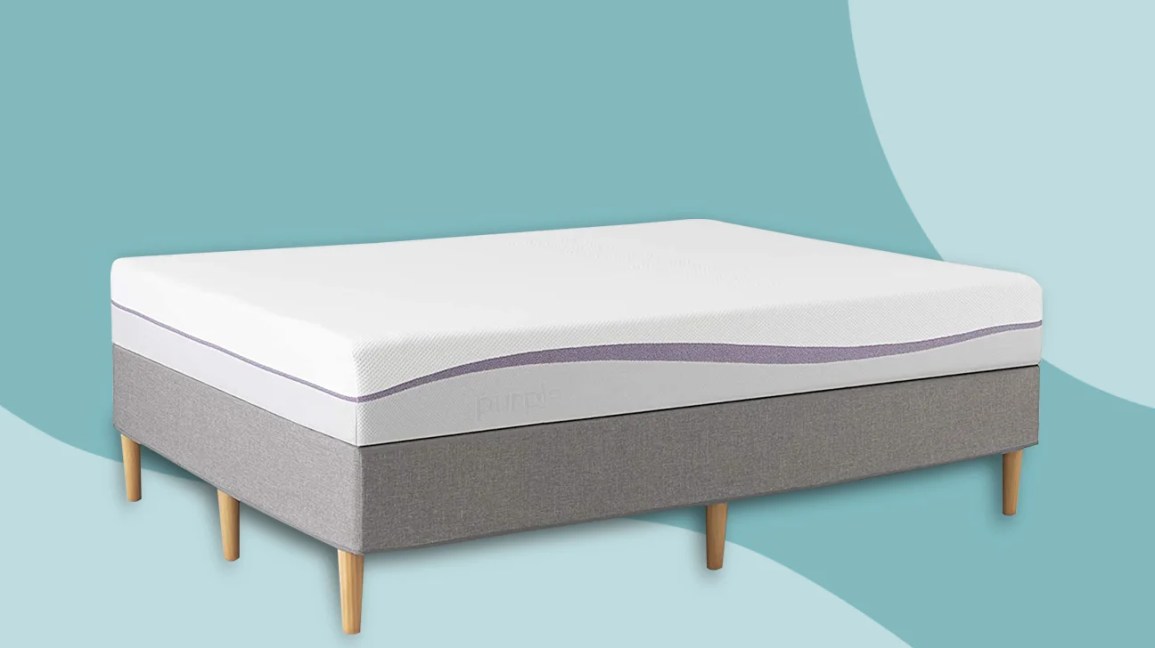
The Purple Mattress
The purple mattress integrates innovative technology for optimum comfort and support for people with cervical osteoarthritis. Its features include:
- Purple grid technology adjusts to the body’s curves and reduces pain and pressure points
- Breathable, hypoallergenic cover promotes airflow and keeps you cool
- Soft, comfortable foam supports the body’s natural alignment
Pros:
- Good motion isolation
- Pressure relief and contouring for optimal support
- Offers a 100-night sleep trial
Cons:
- Its unique feel may take some time to get used to
- Some users may find it too firm or too soft
The Unique Selling Point Of Each Mattress For Cervical Osteoarthritis Patients
Tempur-pedic pro-adapt mattress – the tempur-pedic pro-adapt mattress offers pressure relief and support, contouring to your body for complete spinal alignment. It ensures proper circulation throughout the night and reduces pain in the neck and shoulders.
Saatva classic mattress – the saatva classic mattress accommodates different sleeping positions and delivers excellent support and pressure relief while you sleep. The double coil system and cushioning euro pillow top provide softness and support to people with cervical osteoarthritis.
The purple mattress – the purple mattress is the perfect combination of innovative technology, comfort, and support. Its purple grid technology reduces pressure points and provides optimal support, while its breathable, hypoallergenic cover keeps you cool.
Choosing the right mattress for people with cervical osteoarthritis is crucial. We hope this review of the top mattresses for cervical osteoarthritis and their unique features, pros, and cons helps you make an informed decision. Take your time to understand your specific needs and preferences before making your final choice.
With the right mattress, you can wake up refreshed and energized, ready to tackle the day with vigor.
Frequently Asked Questions On How To Choose The Best Mattress For A Person With Cervical Osteoarthritis?
What Is Cervical Osteoarthritis?
Cervical osteoarthritis is a degenerative condition that affects the cartilage and bones in the neck.
How Does Cervical Osteoarthritis Affect Sleep?
Cervical osteoarthritis can cause pain and stiffness in the neck, making it difficult to find a comfortable sleeping position.
What Type Of Mattress Is Best For Cervical Osteoarthritis?
A medium-firm memory foam mattress is usually best for those with cervical osteoarthritis as it provides support while also contouring to the shape of the neck.
Is It Necessary To Consult A Doctor Before Choosing A Mattress For Cervical Osteoarthritis?
It is always a good idea to consult with a doctor before choosing a mattress for cervical osteoarthritis, as they can provide recommendations based on the individual’s specific needs.
What Are Other Tips For Managing Cervical Osteoarthritis While Sleeping?
Using a contoured cervical pillow, sleeping on the back, and avoiding heavy meals or caffeine before bedtime can all help manage symptoms of cervical osteoarthritis while sleeping.
Conclusion
A good night’s sleep is essential for anyone’s physical and mental health, but it’s especially important for those with cervical osteoarthritis. The right mattress can make all the difference in terms of pain relief, comfort, and overall well-being. Remember to consider factors such as the type of mattress, firmness level, and materials used, as well as your own personal preferences and needs.
Don’t be afraid to take your time when selecting a mattress, and don’t hesitate to test out different options before making a final decision. By following these tips and staying informed about the latest advancements in mattress technology, you can rest assured that you’ll find the perfect mattress for a good night’s sleep and better quality of life.



Leave a Reply