
To choose the best mattress for a person with a latex allergy, consider opting for a mattress made of other materials such as memory foam or innerspring. A latex allergy is a common concern among people who are looking for a new mattress.
To ensure a good night’s sleep and avoid allergic reactions, it is important to choose the right type of mattress. Latex-free mattresses made of materials such as memory foam and innerspring can be excellent options for people with this type of allergy.
In this article, we will explore some of the key factors you should consider when selecting a latex-free mattress, including the level of support, firmness, durability, and price. By understanding these factors, you can make an informed decision and choose a mattress that will help you sleep soundly and comfortably.

Credit: www.sleepfoundation.org
Understanding Latex Allergies
When choosing the best mattress, it’s important to consider any allergies that may affect your sleep. People with latex allergies often have trouble finding suitable mattresses due to the prevalence of latex in many bedding products. In this blog post, we will explore the key points in understanding latex allergies and how they impact the mattress selection process.
What Is A Latex Allergy?
Latex is a common material found in many products, including mattresses. A latex allergy occurs when your immune system reacts to the proteins found in natural rubber latex. This can lead to a range of symptoms, from mild to severe.
Key points to consider:
- A latex allergy is an immune response to proteins found in natural rubber latex.
- Symptoms can range from mild to severe, from skin irritation to anaphylaxis.
- Latex allergies are commonly found in people who have frequent exposure to latex products, such as healthcare workers.
How Does A Latex Allergy Manifest In The Body?
When exposed to latex, someone with a latex allergy may experience a range of symptoms. These can include skin irritation, itching, hives, and swelling. More severe reactions can lead to respiratory issues or even anaphylaxis, a life-threatening condition.
Key points to consider:
- Exposure to latex can cause a range of symptoms, from skin irritation to anaphylaxis.
- Symptoms can vary based on the severity of the allergy and the type of exposure.
- People with latex allergies may also be sensitive to certain foods, such as bananas, avocados, or kiwis.
Who Is At Risk Of Developing A Latex Allergy?
While anyone can develop a latex allergy, some people are more at risk than others. Those who have frequent exposure to latex products, such as healthcare workers or people who undergo multiple surgeries, are more likely to develop an allergy.
Additionally, people who have a history of allergies or asthma may be more susceptible.
Key points to consider:
- People who have frequent exposure to latex products are at higher risk of developing an allergy.
- Those with a history of allergies or asthma may be more susceptible.
- Latex allergies are more common in certain populations, such as healthcare workers or people with spina bifida.
Understanding latex allergies is a critical component of selecting the best mattress for individuals with this condition. By considering the impact of latex on one’s immune system and the potential for allergic reactions, people can choose a mattress that supports healthy, restful sleep without any unwanted side effects.
The Dangers Of Sleeping On A Latex Mattress
Why Are Latex Mattresses Problematic For Those With An Allergy?
Latex mattresses might be uncomfortable for anyone with a latex allergy. An overreaction of the immune system to proteins found in the sap of the rubber tree is what triggers an allergic reaction. Even if the proteins are eliminated in the production process of the mattress (as with synthetic latex), it might not be enough for major allergens to be avoided.
The following points should be taken into consideration by anyone allergic to latex:
- Latex allergies can be chronic and may lead to asthma.
- Sleeping on a latex mattress might trigger allergic reactions that can be difficult to detect.
- It may be more challenging to diagnose an allergy to latex because the symptoms are similar to other allergic reactions.
What Are The Potential Health Risks Of Sleeping On A Latex Mattress?
Sleeping on a latex mattress for an allergic individual might create several health hazards that could affect the quality of sleep and overall well-being, including:
- Skin irritations, such as itching and rashes.
- Respiratory issues, such as difficulty breathing, coughing, and sneezing.
- Watery eyes, runny noses, and nasal congestion.
- Anaphylaxis, a severe allergic response that can cause difficulty breathing, swelling of the face and throat, and even death.
Are There Any Alternatives To Sleeping On A Latex Mattress?
If you’re allergic to latex, there are some feasible mattress alternatives that could enhance your sleep quality and reduce the risks of allergic reactions. Here are some options worth considering:
- Memory foam mattresses: Unlike latex, memory foam mattresses are hypoallergenic. They’re also great for sleepers who suffer from back or joint pain, as they provide greater support to the spine.
- Innerspring mattresses: These mattresses have a traditional feel and adopt a more conventional approach. They are also less pricey than memory foam mattresses, making them a great substitute for those on a tight budget.
- Organic mattresses: Mattresses made from natural latex, wool, and cotton can be useful for people suffering from allergies, as they are less likely to contain harsh chemicals and synthetic materials.
- Hybrid mattresses: These mattresses are a blend of two or three of the above options and usually offer greater support and comfort. Moreover, they tend to have a longer lifespan compared to traditional innerspring mattresses.
Types Of Allergy-Friendly Mattresses
Having an allergy can make it difficult to find certain products, and a mattress is no exception. Luckily, there are now allergy-friendly mattresses that cater to different needs, including those with a latex allergy. Here are the different types of allergy-friendly mattresses to consider:
Memory Foam Mattresses For Allergy Sufferers
- Memory foam mattresses are made from polyurethane foam and are typically resistant to dust mites, making them a great option for those with allergies.
- The density of the foam can affect the level of support provided, with higher density foam being firmer and more supportive.
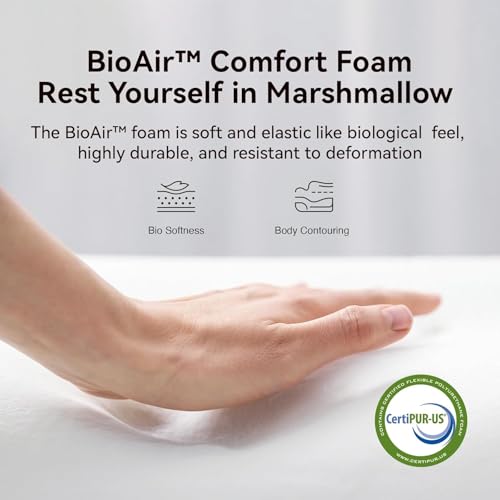
- Look for mattresses made from certipur-us certified foam, which means they are free from harmful chemicals such as formaldehyde and heavy metals.
Innerspring Mattresses For Allergy Sufferers
- Innerspring mattresses are made up of a coil support system and a comfort layer on top.
- Look for mattresses with an organic cotton cover and wool or silk filling, as these materials are naturally hypoallergenic.
- Avoid mattresses with a pillow top, which can trap allergens like dust mites and mold.
Latex-Free Mattresses For Allergy Sufferers
- Latex-free mattresses are made with materials like memory foam, innerspring, or organic cotton.
- Look for mattresses specifically marketed as “latex-free” to ensure that there is no latex used in the manufacturing process.
- Mattresses made from organic cotton or wool are also a great option, as they are naturally resistant to mold and dust mites.
When shopping for an allergy-friendly mattress, it’s important to look for products that are made with hypoallergenic materials and have been certified by a third party. To further reduce the risk of allergy symptoms, regularly clean and vacuum your mattress to remove any dust or allergens that may have settled on it.
With these tips in mind, you’ll be able to find the perfect mattress for a restful and allergy-free night’s sleep.
Factors To Consider When Choosing An Allergy-Friendly Mattress
How to choose the best mattress for a person with a latex allergy?
If you have a latex allergy, finding the right mattress can be a challenge. Whether you have a mild or severe allergy, sleeping on a latex mattress can lead to discomfort, allergic reactions, and even breathing difficulties. Fortunately, there are many hypoallergenic mattresses available in the market that can help you sleep better and breathe easier.
We will be discussing the factors to consider when choosing an allergy-friendly mattress to enjoy a good night’s sleep.
How Should You Choose The Right Mattress For Your Allergy Needs?
Choosing the perfect mattress can be overwhelming, but when you add an allergy into the mix, mattress shopping can be a lot more challenging. Here are some key factors to consider when choosing an allergy-friendly mattress:
- Look for a mattress that does not contain latex or any other natural rubber: Avoid mattresses that contain natural latex rubber, as it can cause allergic reactions for those who are sensitive to it. Instead, consider a synthetic latex or other hypoallergenic materials.
- Check the certipur-us certification: Choose a mattress that has a certipur-us certification, which ensures that the mattress is free from harmful chemicals and meets strict regulations.
- Consider the firmness and support: Bed comfort and support depend on your personal preferences, but as someone with an allergy, you may want to consider a firm and supportive mattress to minimize dust mites and mold accumulation.
What To Look For In A Hypoallergenic Mattress?
When it comes to choosing a hypoallergenic mattress, several factors can help you make the right choice. Here are some of the things you should consider:
- Hypoallergenic materials: Look for a mattress made of hypoallergenic materials such as memory foam, synthetic latex, or organic cotton. These materials are resistant to dust mites and mold growth.
- Breathability: A breathable mattress can help prevent buildup of moisture and heat, which can trigger allergies. Choose a mattress that allows proper ventilation and keeps you cool throughout the night.
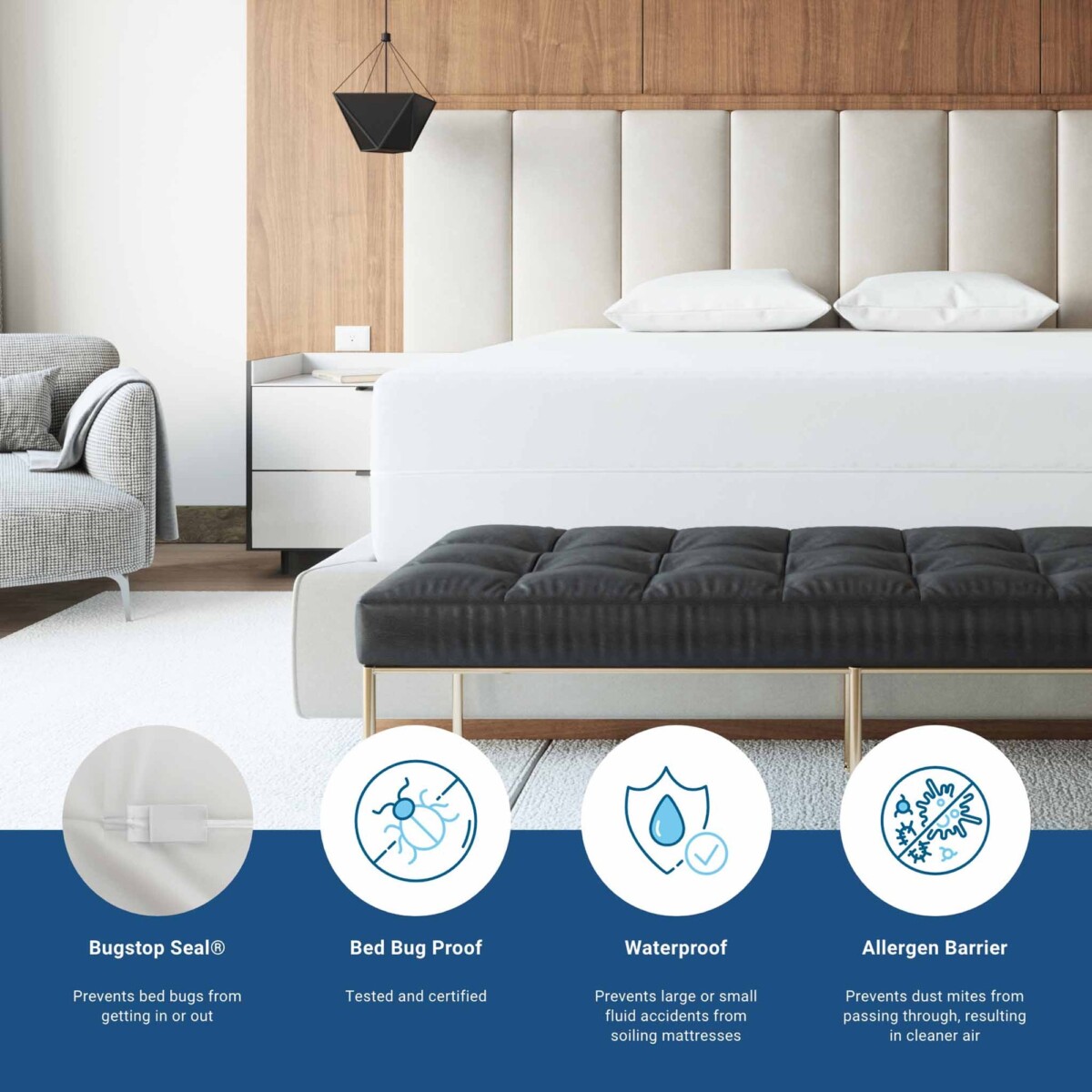
- Encasements: A mattress encasement can help protect against dust mites, mold spores, and other allergens. Consider buying one to protect your mattress from any outside contaminants.
Key Features To Consider While Making A Purchase Decision
Now that you know what to look for in an allergy-friendly mattress, here are some key features to consider before making a purchase:
- Price: Hypoallergenic mattresses can be more expensive than traditional mattresses due to the materials used. Set a budget and look for a mattress within your price range.
- Trial period: Buying a mattress online can be tricky, so look for a mattress with a trial period to test it out. Many retailers offer a 90-100 day trial period for their mattresses.
- Warranty: Look for a warranty that covers manufacturing defects and body impressions, which can affect the comfort and support of the mattress.
When choosing a mattress for someone with a latex allergy, it’s essential to consider several factors. Opt for hypoallergenic materials, check for certification, and focus on breathability and support. With the right mattress, you can enjoy a comfortable and allergy-free sleep.
Maintaining Your Allergy-Friendly Mattress
How To Keep Allergens Out Of Your Mattress?
If you suffer from a latex allergy, finding an allergy-friendly mattress that suits your needs can be a challenge. Investing in an allergy-friendly mattress is a great start, but you also need to know how to maintain it correctly to keep allergens at bay.
Here are some tips to help you maintain your allergy-friendly mattress effectively:
Proper Cleaning And Maintenance Of Allergy-Friendly Mattresses
Keeping your allergy-free mattress clean and well-maintained is crucial to preventing allergic reactions. Here’s how to do it:
- Vacuum your mattress regularly using a vacuum cleaner with a hepa filter, which sucks up small particles, such as dust and pollen, that can trigger allergies. Vacuuming your mattress will prevent skin flakes, mould, and dust mites from accumulating on the surface.
- Use allergy-friendly bedding and covers to reduce allergen exposure. Consider purchasing protective cases for your mattress and pillows that prevent allergens from accumulating. These cases are tight-fitting and zippered, preventing dust, mites, and other allergens from collecting in the mattress’s fibers.
- Clean your mattress with a mild solution of baking soda and water. Sprinkle the mixture on the entire surface of the mattress, rub it in to remove stains, leave it for 20-30 minutes, and vacuum.
Tips To Maximize The Lifespan Of Your Allergy-Friendly Mattress
Proper maintenance is crucial to keeping your allergy-friendly mattress in good condition, ensuring it lasts for a long time. Here are tips to help you maximize the lifespan of your mattress:
- Rotate your mattress from head to toe every three months, evenly distributing pressure on all sides. Over time, this avoids the formation of sagging spots.
- Do not expose your mattress to direct sunlight, which can fade the color and damage the fibers.
- Do not fold your mattress as it can damage the inner structure.
By following these proper cleaning and maintenance techniques, you can take control of your latex allergy and ensure a good night’s sleep on your allergy-friendly mattress. Remember, the most important part of keeping allergens at bay is preventive maintenance, so keep your bedroom clean and minimize dust-collecting surfaces as much as possible.
Frequently Asked Questions For How To Choose The Best Mattress For A Person With A Latex Allergy?
How Does Latex Harm People With Allergies?
Latex contains proteins that can trigger an allergic reaction. These proteins are present in rubber trees used to manufacture latex products, including mattresses.
What Are The Alternatives To Latex Mattresses?
Some mattress types that might be suitable for people with a latex allergy include memory foam, innerspring, and hybrid mattresses.
Are There Any Hypoallergenic Latex Mattresses?
Yes, some manufacturers produce hypoallergenic latex mattresses. These mattresses undergo a washing process that removes the protein responsible for triggering allergies.
How Can I Tell If A Mattress Contains Latex?
Check the label or product description before buying a mattress. Most manufacturers will specify if the mattress contains latex or not. If in doubt, contact the manufacturer for clarification.
Do Latex Allergies Occur Only With Direct Contact?
No, latex allergies can also be triggered by inhaling latex particles. This makes it important to choose a mattress that won’t release any latex particles into the air.
Conclusion
The decision to find the right mattress for someone with a latex allergy can be challenging, but with the proper knowledge, it’s an achievable task. Compatibility is key, and there are several alternatives to latex mattresses that can help individuals improve their sleep without risking allergic reactions.
From organic to synthetic materials, there are various options to choose from that suit different preferences and budgets. The comfort, durability, and support factors are vital elements to consider when selecting a mattress, and judging by the reviews and ratings of previous customers can also guide one’s decision-making process.
With the right amount of research and comparison, finding the perfect mattress for someone with a latex allergy should no longer be a daunting task. Ultimately, the goal is to ensure a healthy and blissful sleeping experience for those who have latex allergies.

Leave a Reply