
Recovery from surgery is a critical period that demands careful attention to every aspect of your healing environment, and perhaps nothing impacts your recovery more directly than the mattress you sleep on. During post-surgical recovery, your body works overtime to repair tissues, reduce inflammation, and restore normal function. Quality sleep isn’t just beneficial during this time—it’s absolutely essential for optimal healing.
The average person spends approximately eight hours per day in bed, but post-surgery patients often require even more rest. This extended time in bed means your mattress becomes your primary support system, literally holding your body as it heals. The wrong mattress can exacerbate pain, create pressure points that interfere with circulation, misalign your spine, and ultimately slow down the recovery process. Conversely, the right mattress can provide targeted support, minimize discomfort, facilitate proper positioning, and create an environment conducive to restorative sleep.
Post-surgical patients face unique challenges that standard mattresses often fail to address. Surgical sites may be tender and sensitive to pressure. Mobility might be limited, making position changes difficult. Inflammation can cause generalized discomfort throughout the body. Pain management becomes a round-the-clock concern. Traditional mattresses, designed for general sleep comfort, simply weren’t engineered with these specific medical needs in mind.
Medical research consistently demonstrates the connection between sleep quality and healing outcomes. During deep sleep, your body releases growth hormones that accelerate tissue repair. Your immune system produces cytokines that fight inflammation and infection. Blood flow increases to damaged areas, delivering essential nutrients and oxygen. When pain or discomfort interrupts this sleep cycle, the entire healing process suffers.

Why the Right Mattress Matters After Surgery!
The ideal post-surgery mattress provides several critical functions. It distributes your body weight evenly to prevent pressure points. It maintains proper spinal alignment regardless of your sleeping position. It allows for easy movement and repositioning without requiring excessive effort. It accommodates any necessary medical equipment or positioning aids. It regulates temperature to prevent overheating that can disrupt sleep. And perhaps most importantly, it adapts to your changing needs as you progress through different recovery stages.
Best Mattress for Post Surgery Recovery:Selecting the right mattress for post-surgery recovery isn’t about finding the most expensive option or the latest trend. It’s about understanding your specific surgical procedure, recognizing your individual comfort needs, identifying key mattress features that support healing, and making an informed decision based on evidence rather than marketing claims.
In this comprehensive guide, we’ve researched and reviewed eleven of the best mattresses specifically suited for post-surgical recovery. We’ve evaluated each option based on pressure relief capabilities, support characteristics, ease of movement, temperature regulation, and real-world user experiences from patients recovering from various surgical procedures. Whether you’re preparing for upcoming surgery or currently in recovery, this guide will help you make a decision that supports your healing journey and provides the restorative sleep your body needs to recover fully.
Top 11 Mattresses for Post Surgery Recovery – Detailed Reviews!
1. Saatva Classic Luxury Firm Mattress

The Saatva Classic has earned its reputation as one of the most versatile mattresses for medical recovery, combining traditional innerspring support with modern comfort layers that address the specific needs of post-surgical patients. This hybrid design features a dual-coil system that provides both foundational support and responsive surface comfort, making it particularly effective for patients who need a balance of cushioning and stability during recovery.
The mattress construction consists of a layer of individually wrapped coils in the comfort layer that respond independently to body contours, topped with high-density memory foam and a Euro pillow top that provides immediate pressure relief. Beneath this comfort system lies a base layer of tempered steel coils arranged in a five-zone support configuration, with firmer coils in the center third to maintain proper spinal alignment and softer coils at the head and foot for enhanced comfort.
What sets the Saatva Classic apart for post-surgery recovery is its exceptional edge support, which proves invaluable when patients need assistance getting in and out of bed. The reinforced perimeter creates a stable platform that doesn’t compress under weight, reducing fall risk and making transfers safer during periods of limited mobility. The coil-on-coil design also promotes superior airflow compared to all-foam alternatives, helping regulate body temperature during recovery when hormonal fluctuations and medications can affect thermoregulation.
The Luxury Firm option strikes an ideal balance for most post-surgical patients, providing enough cushioning to relieve pressure on tender surgical sites while maintaining the support necessary to prevent the sinking sensation that can make movement difficult. The responsive nature of the innerspring system means the mattress quickly adapts as you shift positions, requiring less effort than memory foam alternatives that can create a quicksand effect.
Key Features:
- Dual-coil hybrid construction with individually wrapped comfort coils and tempered steel support coils
- Euro pillow top with high-density memory foam for immediate pressure relief
- Five-zone lumbar support enhancement for proper spinal alignment
- Reinforced edge support system for safer bed transfers
- Enhanced breathability through coil-on-coil airflow design
- 100% organic cotton cover with antimicrobial treatment
- Multiple firmness options including Plush Soft, Luxury Firm, and Firm
- 180-night home trial with free white glove delivery and setup
- Lifetime warranty covering manufacturing defects
Pros:
✅ Excellent edge support makes getting in and out of bed significantly easier during recovery
✅ Superior temperature regulation prevents overheating common during post-surgical recovery
✅ Responsive surface allows for easier position changes without feeling stuck
✅ Durable construction maintains support characteristics over extended recovery periods
✅ White glove delivery service handles all setup without requiring patient effort
✅ Antimicrobial cover helps maintain hygienic sleep environment during healing
✅ Strong lumbar support prevents lower back complications during extended bed rest
Cons:
❌ Higher price point compared to all-foam alternatives may strain recovery budgets
❌ Heavier construction makes mattress rotation and cleaning more challenging
❌ Initial off-gassing period may be uncomfortable for patients with heightened sensitivities post-surgery
❌ Innerspring design may transfer some motion between partners if sharing bed during recovery
Ideal For: Patients recovering from abdominal surgeries, hip or knee replacements, or spinal procedures who need excellent support with pressure relief. Particularly beneficial for individuals who sleep hot or share a bed with a caregiver. Best suited for those who prefer a more traditional mattress feel rather than deep memory foam contouring.
Final Verdict: The Saatva Classic Luxury Firm represents one of the most balanced options for post-surgical recovery, successfully addressing multiple recovery needs without significant compromises. Its combination of pressure relief, support, temperature regulation, and ease of movement makes it suitable for a wide range of surgical procedures and recovery timelines. While the investment is substantial, the lifetime warranty and proven durability make it a cost-effective choice for patients anticipating extended recovery periods or wanting a mattress that will continue serving them well after healing is complete. The white glove delivery eliminates setup concerns, allowing patients and caregivers to focus entirely on recovery rather than mattress logistics.
2. Purple Hybrid Premier 4-Inch Mattress

The Purple Hybrid Premier with its distinctive 4-inch GelFlex Grid layer represents a revolutionary approach to post-surgical comfort, utilizing patented technology that dynamically adapts to your body’s pressure points while maintaining structural support. This unique material behaves differently than traditional foam or latex, collapsing under pressure where your body needs cushioning while remaining firm where support is essential, creating a truly customized sleep surface that evolves with your changing recovery needs.
The GelFlex Grid consists of a hyper-elastic polymer arranged in a column-based structure that flexes under pressure and immediately rebounds when pressure is removed. This design creates hundreds of individual support zones that automatically adjust to your body’s contours without the gradual softening characteristic of memory foam. Beneath the grid layer, individually wrapped coils provide foundational support and enhance airflow, while a base foam layer creates a stable foundation that prevents the sinking sensation problematic for patients with limited mobility.
For post-surgical patients, the Purple Grid’s unique properties offer several distinct advantages. The grid structure allows air to flow freely through the material, creating one of the coolest sleeping surfaces available and helping patients manage the night sweats and temperature fluctuations common after surgery. The instant responsiveness means patients can change positions with minimal effort, as the material doesn’t create the “hugging” sensation of memory foam that can make movement feel laborious. The pressure-relieving properties are exceptional, with studies showing the Purple Grid reduces pressure points by up to forty percent compared to traditional mattress materials.
The 4-inch grid thickness in the Premier model provides deeper cushioning than standard Purple mattresses, making it particularly suitable for side sleepers recovering from surgery or patients who experience generalized tenderness across larger body areas. The material’s natural antimicrobial properties and resistance to dust mites create a cleaner sleep environment, reducing infection risks during the critical healing period.
Key Features:
- 4-inch thick GelFlex Grid layer providing dynamic pressure relief and support
- Responsive polymer material that instantly adapts to movement without memory foam lag
- Individually wrapped coil support system for foundational stability
- Open grid structure allowing maximum airflow and temperature regulation
- Naturally hypoallergenic and antimicrobial material composition
- Zero motion transfer between sleeping partners
- Durable construction rated for 10+ year lifespan
- 100-night trial period with free returns
- 10-year warranty covering material defects and excessive sagging
Pros:
✅ Exceptional pressure relief for surgical sites and tender areas without compromising support
✅ Industry-leading temperature regulation prevents overheating during recovery
✅ Instant responsiveness makes position changes effortless compared to memory foam
✅ Zero motion transfer allows caregivers to assist without disturbing patient rest
✅ Antimicrobial properties reduce infection risks during vulnerable healing period
✅ Durable material maintains consistent performance throughout extended recovery
✅ Unique feel provides an alternative for patients who dislike traditional mattress materials
Cons:
❌ Premium pricing places it among the most expensive recovery mattress options
❌ Unconventional feel requires adjustment period that may be challenging immediately post-surgery
❌ Grid structure is firmer than expected based on appearance, potentially disappointing those seeking plush comfort
❌ Heavy construction makes mattress handling difficult if repositioning or cleaning is needed
❌ Grid material can feel cool to the touch, which may be uncomfortable in cold environments
Ideal For: Patients who sleep hot or experience temperature regulation issues post-surgery. Excellent for side sleepers recovering from shoulder, hip, or knee procedures. Particularly beneficial for individuals sensitive to allergens or concerned about sleep environment cleanliness. Best suited for patients who prefer innovative materials over traditional mattress construction.
Final Verdict: The Purple Hybrid Premier 4-Inch stands out as perhaps the most innovative solution for post-surgical sleep, leveraging unique material science to address recovery challenges in ways traditional mattresses cannot match. Its combination of pressure relief, temperature control, and ease of movement creates an ideal environment for healing, particularly for patients whose surgeries affect pressure-sensitive areas or who struggle with heat retention. The significant investment is justified by the mattress’s exceptional performance characteristics and proven durability. While the unconventional feel won’t appeal to everyone, patients willing to embrace the different sensation will find it offers recovery benefits difficult to achieve with conventional materials. The Purple Premier is particularly valuable for individuals anticipating long recovery periods or those whose medical conditions will continue requiring specialized sleep support after surgical healing is complete.
3. Tempur-Pedic TEMPUR-Adapt Medium Hybrid

The Tempur-Pedic TEMPUR-Adapt Medium Hybrid brings the legendary pressure-relieving properties of TEMPUR material to a hybrid platform that addresses one of the primary complaints about traditional memory foam: difficulty with movement and repositioning. This mattress combines three inches of the original TEMPUR material developed by NASA with a supportive coil base, creating a sleep surface that offers both the conforming comfort memory foam patients need for pressure relief and the responsive support that makes getting in and out of bed manageable during recovery.
TEMPUR material’s molecular structure responds to body heat and pressure, softening and conforming precisely to your body’s contours in a way that distributes weight more evenly than any other mattress material. This precise conforming dramatically reduces pressure points, which proves especially valuable for patients recovering from surgeries where incision sites or surrounding tissues remain tender. The material’s slow response also creates a cradling sensation that many patients find comforting during the vulnerable recovery period.
The hybrid design addresses traditional memory foam limitations by incorporating over a thousand individually responsive coils beneath the TEMPUR layers. These coils provide foundational support that prevents excessive sinking while adding a degree of bounce that makes repositioning easier than all-foam TEMPUR mattresses. The coil system also enhances edge support compared to traditional TEMPUR beds, improving safety when getting in and out of bed during periods of reduced mobility.
Tempur-Pedic’s decades of research into sleep science and medical applications show in the TEMPUR-Adapt’s thoughtful engineering. The company originally developed TEMPUR material for medical applications, and that heritage is evident in how effectively the mattress addresses recovery needs. The material naturally isolates motion, meaning caregivers can move around the bed or adjust positioning aids without disturbing patient rest. The dense molecular structure also creates a naturally antimicrobial and hypoallergenic sleep surface.
Key Features:
- 3 inches of original TEMPUR material for pressure-relieving conforming support
- Over 1,000 premium innerspring coils providing foundational stability
- Cool-to-touch cover designed to draw heat away from the body
- Medium firmness level balancing pressure relief with adequate support
- Motion isolation technology preventing partner disturbance
- Antimicrobial and dust mite resistant material composition
- Made in USA with rigorous quality control standards
- 90-night trial period
- 10-year full replacement limited warranty
Pros:
✅ Superior pressure relief reduces discomfort at surgical sites and promotes healing
✅ Precise body conforming provides customized support for various sleeping positions
✅ Excellent motion isolation allows caregivers to assist without disrupting patient rest
✅ Proven TEMPUR material has decades of medical application validation
✅ Hybrid design makes movement easier than traditional all-foam TEMPUR mattresses
✅ Durable construction maintains performance characteristics for years
✅ Cool-touch cover helps manage temperature fluctuations common post-surgery
Cons:
❌ Significant heat retention despite cooling cover, problematic for hot sleepers
❌ Memory foam “hug” can make position changes more difficult than innerspring alternatives
❌ Heavy construction makes mattress maintenance and cleaning challenging
❌ Off-gassing period may be uncomfortable for patients with post-surgical sensitivities
❌ Premium pricing makes it one of the more expensive recovery options
❌ Slow response time can create a trapped feeling for some patients
Ideal For: Patients recovering from procedures on pressure-sensitive areas including spine surgeries, joint replacements, or extensive soft tissue repairs. Excellent for individuals who prioritize pressure relief above all other factors. Best suited for back and side sleepers who prefer a conforming feel and don’t struggle with heat retention during sleep.
Final Verdict: The TEMPUR-Adapt Medium Hybrid represents the gold standard in pressure-relieving mattress technology, bringing medical-grade comfort to the home recovery environment. For patients whose primary concern is minimizing pressure on surgical sites and surrounding tissues, few mattresses can match TEMPUR material’s conforming capabilities. The hybrid construction successfully addresses some of traditional memory foam’s limitations, though heat retention and difficulty with movement remain concerns compared to innerspring alternatives. The substantial investment is supported by Tempur-Pedic’s reputation for durability and the mattress’s proven effectiveness for medical applications. Patients willing to accept some trade-offs in temperature regulation and ease of movement will find the TEMPUR-Adapt provides unparalleled pressure relief that can significantly improve comfort during the challenging recovery period. This mattress particularly shines for patients recovering from surgeries where even minimal pressure causes significant discomfort.
4. Helix Midnight Luxe Hybrid Mattress

The Helix Midnight Luxe positions itself as a versatile solution for post-surgical recovery by incorporating zoned support technology that addresses different body regions with tailored firmness levels. This thoughtful design recognizes that post-surgical patients often need varying degrees of support and cushioning across different areas of their body, with surgical sites requiring gentle pressure relief while other regions need firmer support to maintain proper alignment and prevent secondary complications.
The mattress features a sophisticated layer construction beginning with a quilted pillow top containing gel-infused memory foam for immediate pressure relief. Beneath this comfort layer sits a zoned coil system with firmer coils positioned under the midsection to support the lumbar region and softer coils at the head and feet for enhanced cushioning. This targeted support approach proves particularly valuable for patients recovering from abdominal, thoracic, or pelvic surgeries where improper lumbar support could stress healing tissues.
Helix developed the Midnight Luxe specifically for side sleepers and individuals who need extra pressure relief on shoulders and hips, making it especially suitable for patients recovering from orthopedic procedures affecting these joints. The medium-firm feel provides enough contouring to cradle surgical sites gently while maintaining sufficient support to prevent the excessive sinking that can make movement difficult during recovery.
The Luxe designation indicates premium features including enhanced edge support with reinforced perimeters, deeper comfort layers compared to standard Helix models, and a breathable Tencel cover that wicks moisture and regulates temperature more effectively than conventional mattress fabrics. These upgrades address common recovery concerns including safe bed transfers, extended pressure relief, and temperature management during healing.
Key Features:
- Zoned lumbar support system with targeted firmness levels for different body regions
- Quilted pillow top with gel-infused memory foam for pressure relief
- Individually wrapped coils providing responsive support and motion isolation
- Reinforced perimeter edge support for safer bed entry and exit
- Breathable Tencel cover with moisture-wicking and cooling properties
- Medium-firm feel balancing comfort and support
- Made in USA with certified safe materials
- 100-night sleep trial with free shipping and returns
- 15-year warranty covering defects and excessive sagging
Pros:
✅ Zoned support effectively addresses varying needs across different body regions during recovery
✅ Excellent side sleeper comfort reduces pressure on hips and shoulders
✅ Reinforced edges improve safety when getting in and out of bed
✅ Responsive coil system makes position changes easier than all-foam alternatives
✅ Breathable construction and moisture-wicking cover help manage post-surgical temperature fluctuations
✅ More affordable than many premium recovery mattress options
✅ Extended warranty provides long-term value and peace of mind
Cons:
❌ Medium-firm feel may be too soft for strict back sleepers or heavier patients
❌ Zoned support requires proper body positioning to achieve full benefit
❌ Thicker profile makes fitted sheet selection and bed making more challenging
❌ Initial off-gassing period common with foam layers
❌ Edge support while improved, doesn’t match dedicated innerspring mattresses
Ideal For: Side sleepers recovering from shoulder, hip, or knee surgeries who need targeted pressure relief on joints. Excellent for patients of average build recovering from abdominal procedures who need lumbar support without excessive firmness. Particularly beneficial for individuals concerned about temperature regulation during recovery. Best suited for those seeking a balanced approach between comfort and support without premium pricing.
Final Verdict: The Helix Midnight Luxe offers thoughtfully engineered support that addresses post-surgical recovery needs without the premium pricing of some competitors. Its zoned support system recognizes that recovering patients need different levels of firmness across their body, and the execution effectively delivers targeted comfort where needed most. The combination of pressure-relieving foam layers and responsive coil support strikes a practical balance for most recovery situations. While not the absolute best in any single category, the Midnight Luxe performs admirably across multiple important factors including pressure relief, support, temperature regulation, and ease of movement. The competitive pricing and strong warranty make it an excellent value proposition for patients seeking quality recovery support without breaking recovery budgets. This mattress particularly appeals to pragmatic buyers who want proven technology and solid performance rather than cutting-edge innovation or luxury brand prestige.
5. Amerisleep AS3 Hybrid Mattress

The Amerisleep AS3 Hybrid distinguishes itself in the post-surgical recovery category through its Bio-Pur memory foam technology, which addresses traditional memory foam’s primary limitations while maintaining its exceptional pressure-relieving properties. This plant-based foam alternative responds five times faster than conventional memory foam, dramatically reducing the quicksand effect that can make repositioning difficult during recovery while still providing the conforming support that promotes healing.
The mattress construction features a substantial comfort layer of Bio-Pur foam that contours to body curves and relieves pressure points without the excessive heat retention characteristic of petroleum-based memory foams. The cellular structure of Bio-Pur contains significantly more open cells than traditional foam, allowing air to circulate freely and heat to dissipate rather than becoming trapped around the sleeping body. This breathability proves invaluable for post-surgical patients who often experience temperature regulation challenges due to medications, hormonal responses, or the body’s inflammatory healing processes.
Beneath the comfort foam, the AS3 Hybrid incorporates a layer of Affinity foam with zoned support technology that provides firmer support under heavier body areas while allowing lighter regions to sink in comfortably. This balanced approach prevents pressure points from developing while maintaining spinal alignment regardless of sleeping position. The foundation layer consists of individually wrapped coils that add durability, enhance airflow, and provide the responsive support that makes movement easier compared to all-foam mattresses.
Amerisleep positions the AS3 at a medium firmness level that research suggests suits the broadest range of sleepers, making it particularly appropriate for post-surgical patients whose preferred sleeping positions might change during recovery. The mattress performs well for back, side, and combination sleepers, offering versatility that proves valuable when surgical restrictions limit position options or when progressing through different recovery stages requires adapting sleep positions.
Key Features:
- Bio-Pur plant-based memory foam responding 5x faster than traditional foam
- Open-cell structure providing superior breathability and temperature regulation
- Zoned Affinity foam layer targeting support to specific body regions
- Individually wrapped coil base for responsive support and enhanced airflow
- Celliant cover technology promoting blood flow and recovery
- Medium firmness suitable for multiple sleeping positions
- CertiPUR-US certified foams without harmful chemicals
- 100-night risk-free trial period
- 20-year warranty covering material defects and sagging
Pros:
✅ Bio-Pur foam provides pressure relief without traditional memory foam drawbacks
✅ Exceptional breathability helps manage temperature fluctuations during recovery
✅ Faster foam response makes position changes significantly easier
✅ Celliant cover technology may enhance circulation and promote healing
✅ Environmentally friendly plant-based materials reduce chemical exposure
✅ Medium firmness offers versatility as recovery positions and needs change
✅ Extended 20-year warranty demonstrates manufacturer confidence in durability
Cons:
❌ Bio-Pur foam doesn’t conform quite as closely as traditional memory foam
❌ Medium firmness may be too soft for strict stomach sleepers or very heavy patients
❌ Premium pricing reflects advanced foam technology and Celliant cover
❌ Coil system can develop squeaking over time if not properly maintained
❌ Edge support adequate but not exceptional compared to dedicated innerspring options
Ideal For: Patients who want memory foam pressure relief without heat retention or difficulty moving. Excellent for individuals recovering from surgeries where improved circulation could benefit healing. Particularly suitable for environmentally conscious patients concerned about chemical exposure during the vulnerable recovery period. Best for average to lighter-weight sleepers who change positions during sleep.
Final Verdict: The Amerisleep AS3 Hybrid successfully bridges the gap between memory foam’s pressure-relieving benefits and the practical needs of post-surgical patients who must be able to move and reposition themselves during recovery. The Bio-Pur technology addresses the most significant complaints about traditional memory foam, creating a mattress that offers conforming comfort without feeling stuck or overheating. The Celliant cover adds an intriguing potential benefit for healing, though individual results will vary. The substantial investment is partially justified by the extended warranty and the mattress’s versatile performance across different sleeping positions and body types. For patients specifically concerned about temperature regulation or who have previously found memory foam too restrictive, the AS3 Hybrid presents a compelling alternative that maintains pressure relief while improving responsiveness. The plant-based materials and CertiPUR-US certifications also provide peace of mind for patients concerned about chemical exposure during the critical healing period when immune systems may be compromised.
6. WinkBeds GravityLux Hybrid Mattress

The WinkBeds GravityLux Hybrid introduces gel-infused foam technology specifically engineered for pressure relief and temperature management, two factors critically important for post-surgical recovery. This mattress represents WinkBeds’ entry into the premium hybrid category, combining the company’s proven coil craftsmanship with advanced foam technology designed to address the limitations of both traditional innerspring and all-foam designs.
The comfort system features a substantial layer of gel-infused foam that distributes body weight evenly while drawing heat away from the sleeping surface. The gel infusion consists of microscopic beads that absorb and dissipate thermal energy, creating one of the cooler sleeping surfaces in the memory foam category. This cooling capability proves especially valuable for post-surgical patients experiencing night sweats, hot flashes from medication side effects, or inflammatory responses that elevate body temperature during healing.
Beneath the gel foam, the Gravity lux incorporates a transition layer of high-density polyfoam that prevents excessive sinking and provides a stable base for the comfort layers. The foundation consists of individually wrapped coils arranged in seven comfort zones, with firmer coils supporting the midsection and progressively softer coils providing enhanced cushioning at the head and feet. This zoned approach recognizes that different body regions have different support requirements, particularly important when surgical sites need gentle treatment while other areas require firm support to prevent compensatory strain.
Wink Beds enhances the Gravity lux with reinforced lumbar support in the mattress center, addressing one of the most common complaints from bed-bound recovery patients: lower back pain that develops from extended time in bed. This reinforcement prevents the hammocking effect that can occur in the hip region, maintaining neutral spine alignment even during prolonged periods of reduced movement.
Key Features:
- Gel-infused comfort foam providing pressure relief and active cooling
- Seven-zone coil system with targeted firmness levels for different body regions
- Enhanced lumbar support preventing lower back complications during bed rest
- Reinforced perimeter edges for safer transfers and maximum sleeping surface
- Breathable Tencel cover with moisture-wicking properties
- Medium firmness suitable for most sleeping positions
- Handcrafted in USA with premium materials
- 120-night trial period with free shipping and returns
- Lifetime warranty covering manufacturing defects
Pros:
✅ Excellent cooling properties help manage post-surgical temperature regulation issues
✅ Seven-zone support system addresses different body regions appropriately
✅ Enhanced lumbar support prevents secondary back issues during extended recovery
✅ Responsive gel foam makes movement easier than traditional memory foam
✅ Lifetime warranty provides exceptional long-term value and peace of mind
✅ Extended trial period allows thorough evaluation during recovery
✅ Reinforced edges improve safety during vulnerable mobility periods
Cons:
❌ Gel foam doesn’t conform as closely as pure memory foam, potentially reducing pressure relief
❌ Zoned support requires proper body alignment to achieve full benefit
❌ Heavier construction makes mattress rotation and maintenance more challenging
❌ Higher price point compared to value-oriented hybrid options
❌ Initial off-gassing period may be uncomfortable for sensitive patients
Ideal For: Patients who sleep hot or experience significant temperature fluctuations during recovery. Excellent for individuals recovering from procedures requiring extended bed rest who need preventive lumbar support. Particularly suitable for back and side sleepers of average to heavier build. Best for those seeking long-term value through exceptional warranty coverage.
Final Verdict: The Wink beds GravityLux Hybrid delivers a thoughtfully designed sleep surface that addresses multiple post-surgical recovery concerns simultaneously. The gel foam technology provides reliable cooling without sacrificing too much conforming comfort, while the seven-zone coil system and enhanced lumbar support work together to prevent the secondary complications that extended bed rest can create. The lifetime warranty stands out as one of the industry’s most comprehensive, transforming what initially appears as a significant investment into an exceptional long-term value. For patients concerned about temperature management or those whose recovery will require extended bed rest, the GravityLux presents a compelling combination of cooling technology, preventive support, and long-term reliability. The mattress won’t appeal to those seeking deep memory foam contouring, but patients prioritizing temperature control and proper support will find it addresses their needs effectively throughout the recovery period and beyond.
7. Brooklyn Bedding Aurora Luxe Hybrid

The Brooklyn Bedding Aurora Luxe Hybrid distinguishes itself as one of the coolest sleeping mattresses available, incorporating multiple advanced cooling technologies that work synergistically to manage temperature during post-surgical recovery. This mattress was specifically engineered for hot sleepers, making it particularly valuable for patients whose surgeries, medications, or healing processes create temperature regulation challenges that interfere with restorative sleep.
The cooling system begins with a phase-change material infused into the cover fabric that actively absorbs heat as body temperature rises and releases it as temperature drops, creating a buffer against temperature fluctuations. Beneath the cover, the first comfort layer consists of CopperFlex foam infused with copper particles that naturally draw heat away from the body while providing antimicrobial properties beneficial during the vulnerable recovery period. The copper infusion also potentially supports healing through its anti-inflammatory properties, though individual results vary.
The core comfort layer features TitanFlex foam, Brooklyn Bedding’s proprietary material combining latex-like responsiveness with memory foam pressure relief. This foam responds quickly to movement, making position changes easier than traditional memory foam while still providing conforming comfort that reduces pressure on surgical sites. The material’s open-cell structure enhances airflow, contributing to the overall cooling strategy.
Supporting these comfort layers, the Aurora Luxe incorporates individually wrapped coils arranged in five firmness zones that provide targeted support while allowing air to circulate freely through the mattress interior. Brooklyn Bedding reinforces the perimeter with high-density edge support foam, creating a stable platform for safer bed transfers during periods of limited mobility.
Key Features:
- Phase-change material cover actively regulating sleep surface temperature
- CopperFlex foam providing cooling, pressure relief, and antimicrobial properties
- TitanFlex foam combining latex responsiveness with memory foam contouring
- Five-zone coil system balancing support and comfort
- Reinforced edge support for safer bed entry and exit
- Multiple firmness options including Soft, Medium, and Firm
- Made in USA by family-owned company
- 120-night trial period
- 10-year warranty covering defects and sagging
Pros:
✅ Multiple cooling technologies working together create exceptionally cool sleep surface
✅ Copper infusion provides antimicrobial benefits during vulnerable healing period
✅ TitanFlex foam responsiveness makes movement significantly easier than memory foam
✅ Five-zone support system addresses different body regions appropriately
✅ Multiple firmness options accommodate various surgical procedures and preferences
✅ Family-owned company provides personalized customer service
✅ Extended trial period allows thorough evaluation during recovery
Cons:
❌ Multiple advanced technologies drive price into premium category
❌ TitanFlex foam has a unique feel that requires adjustment period
❌ Copper particles can create slight blue tint on bedding over time
❌ Heavy construction makes mattress maintenance challenging
❌ Cooling technologies most beneficial in warm environments, potentially excessive in cool rooms
Ideal For: Patients who experience significant heat retention or night sweats during recovery. Excellent for individuals concerned about infection risks who want antimicrobial sleep surfaces. Particularly suitable for hot sleepers recovering from any surgical procedure. Best for patients who need responsive support that allows easy movement while maintaining pressure relief.
Final Verdict: The Brooklyn Bedding Aurora Luxe Hybrid represents the pinnacle of cooling mattress technology, making it the obvious choice for post-surgical patients whose primary concern is temperature management during recovery. The multi-layered cooling approach proves more effective than single-technology alternatives, creating a sleep surface that remains genuinely cool rather than just less hot. The copper infusion adds potential antimicrobial and anti-inflammatory benefits that complement the primary cooling function. The TitanFlex foam successfully balances responsiveness and pressure relief, though its unique feel may require adjustment. For patients whose recovery success depends significantly on managing temperature-related sleep disruptions, the Aurora Luxe justifies its premium pricing through superior thermal performance. The mattress also serves well beyond the recovery period, making it a sound long-term investment for individuals who sleep hot regardless of medical circumstances.
8. Avocado Green Organic Luxury Plush Mattress

The Avocado Green Organic Luxury Plush offers post-surgical patients a completely different approach to recovery support through its certified organic, natural material construction. This mattress eliminates concerns about chemical exposure during the vulnerable healing period while providing robust support through natural latex and responsive coil systems. For patients concerned about toxins, allergens, or environmental impact during recovery, the Avocado Green represents the gold standard in clean, sustainable sleep surfaces.
The mattress features a substantial comfort layer of GOLS-certified organic Dunlop latex that provides responsive pressure relief without the sinking sensation of memory foam. Latex’s natural buoyancy makes movement easier for patients with limited mobility, while its conforming properties effectively relieve pressure on surgical sites. The material naturally resists dust mites, mold, and bacteria without chemical treatments, creating an inherently cleaner sleep environment beneficial during the immune-vulnerable recovery period.
Beneath the latex layer, the Avocado Green incorporates individually wrapped coils made from recycled steel, providing foundational support that maintains proper spinal alignment during recovery. The coil system features zoned support with firmer coils in the midsection, preventing lower back complications that can develop during extended bed rest. The organic cotton and wool cover provides natural temperature regulation without synthetic cooling technologies, with wool’s moisture-wicking properties helping manage night sweats while its natural fire resistance eliminates the need for chemical flame retardants.
The Luxury Plush designation indicates an additional pillow top layer compared to standard Avocado mattresses, providing enhanced cushioning that proves valuable for patients with widespread tenderness or sensitivity following surgery. This extra comfort layer softens the overall feel while maintaining the supportive foundation necessary for proper healing.
Key Features:
- GOLS-certified organic Dunlop latex providing responsive pressure relief
- Recycled steel coil system with zoned lumbar support
- GOTS-certified organic cotton and wool cover
- Natural materials resistant to dust mites, mold, and bacteria
- Free from chemical flame retardants, adhesives, and polyurethane foam
- Pillow top layer providing enhanced cushioning
- Handcrafted in USA with sustainable practices
- 1-year trial period allowing extended evaluation
- 25-year warranty covering manufacturing defects
Pros:
✅ Certified organic materials eliminate chemical exposure concerns during vulnerable recovery
✅ Natural latex provides responsive support that makes movement easier than memory foam
✅ Inherent antimicrobial properties create cleaner sleep environment without chemical treatments
✅ Wool cover naturally regulates temperature and manages moisture
✅Exceptional durability maintains performance throughout extended recovery
✅ Industry-leading 25-year warranty demonstrates exceptional quality standards
✅ Environmentally sustainable construction appeals to conscious consumers
Cons:
❌ Latex firmness may be too much for patients requiring very soft surfaces
❌ Heavy construction makes mattress handling extremely challenging
❌ Premium organic certifications drive price significantly higher than conventional alternatives
❌ Latex allergy prevents use for some patients
❌ Natural materials produce earthy smell that some find unpleasant initially
❌ Latex lacks deep contouring of memory foam, potentially reducing pressure relief for some
Ideal For: Patients concerned about chemical exposure during the vulnerable recovery period. Excellent for individuals with allergies or sensitivities to synthetic materials. Particularly suitable for environmentally conscious patients wanting sustainable recovery products. Best for those who prefer responsive support over memory foam contouring.
Final Verdict: The Avocado Green Organic Luxury Plush serves a specific but important niche in the post-surgical mattress category, providing patients genuinely concerned about material safety with a thoroughly vetted, certified organic option. The natural materials deliver solid performance across key recovery factors including pressure relief, support, and temperature regulation, though they achieve these through different mechanisms than synthetic alternatives. The substantial investment reflects genuine organic certifications rather than greenwashing, with third-party verification ensuring material claims meet rigorous standards. For patients whose recovery priorities include minimizing chemical exposure, managing allergies, or maintaining environmental values, the Avocado Green presents a compelling choice that delivers clean sleep without compromising support. The exceptional warranty and proven durability also make it a sound financial decision for patients viewing their mattress as a long-term health investment rather than a temporary recovery aid.
9. Nectar Memory Foam Mattress

The Nectar Memory Foam Mattress brings premium memory foam comfort to a surprisingly accessible price point, making quality post-surgical sleep support available to patients operating on restricted recovery budgets. This mattress demonstrates that effective pressure relief and proper support don’t necessarily require premium pricing, offering multiple foam layers that work together to address key recovery needs without the features and technologies that drive costs into four figures.
The comfort system features a substantial gel memory foam layer that conforms to body contours and relieves pressure points that could interfere with healing. While not the most advanced memory foam technology available, the Nectar’s comfort layer performs its pressure-relieving function effectively, distributing body weight across a larger surface area to reduce concentrated pressure on surgical sites. The gel infusion helps moderate temperature, though heat retention remains more significant than premium alternatives with advanced cooling systems.
Beneath the memory foam comfort layer, the Nectar incorporates a transition layer of adaptive foam that prevents excessive sinking and provides a stable base supporting the contouring layers. The foundation consists of high-density base foam that creates structural stability and extends mattress lifespan beyond what you’d typically expect at this price point. While not as responsive as coil systems, the all-foam construction eliminates noise and maximizes motion isolation, ensuring caregivers can assist or reposition without disrupting patient rest.
Nectar wraps the foam layers in a quilted cover that provides surface cushioning and modest breathability. While not incorporating advanced fabric technologies, the cover adequately protects the foam layers while adding a touch of surface comfort. The Tencel fibers in the cover blend offer some natural moisture-wicking properties beneficial during recovery.
Key Features:
- Gel-infused memory foam comfort layer providing pressure relief
- Multi-layer foam construction preventing excessive sinking
- High-density base foam ensuring structural stability and longevity
- Quilted Tencel blend cover with modest cooling properties
- Medium-firm feel suitable for most sleeping positions
- CertiPUR-US certified foams without harmful chemicals
- 365-night trial period allowing full recovery evaluation
- Forever warranty covering defects for mattress lifetime
Pros:
✅ Budget-friendly pricing makes quality recovery support accessible to more patients
✅ Effective pressure relief addresses surgical site comfort without premium cost
✅ All-foam construction eliminates noise and maximizes motion isolation
✅ Industry-leading trial period allows thorough evaluation throughout recovery
✅ Forever warranty provides exceptional long-term value
✅ Medium-firm feel works for most sleeping positions and body types
✅ Simple design reduces potential failure points and maintenance concerns
Cons:
❌ Significant heat retention problematic for patients who sleep hot
❌ All-foam construction makes movement more difficult than hybrid alternatives
❌ Edge support lacking, creating safety concerns during bed transfers
❌ Off-gassing period more pronounced than premium foam mattresses
❌ Memory foam “hug” can feel restrictive for patients with limited mobility
❌ Lacks advanced technologies addressing specific recovery needs
Ideal For: Budget-conscious patients needing effective pressure relief without premium features. Excellent for individuals whose recovery will be relatively short and don’t need long-term specialized support. Particularly suitable for lighter-weight sleepers who don’t sink deeply into foam. Best for patients prioritizing pressure relief over temperature regulation or ease of movement.
Final Verdict: The Nectar Memory Foam Mattress proves that post-surgical patients operating on tight budgets don’t need to sacrifice sleep quality during recovery. While lacking the advanced technologies and premium materials of higher-priced alternatives, the Nectar delivers competent performance across fundamental recovery needs including pressure relief, support, and motion isolation. The exceptional trial period and Forever warranty transform what appears as a value purchase into a genuinely risk-free long-term investment. For patients whose financial circumstances make premium mattresses impractical, the Nectar provides a responsible alternative that addresses basic recovery requirements effectively. The mattress performs best for patients whose surgeries don’t create extreme sensitivity to heat or difficulty with movement, and who prioritize fundamental comfort over specialized features. While nobody would call the Nectar the best recovery mattress available, it might be the best option accessible to many patients facing the dual challenges of medical recovery and financial constraints.
10. Bear Hybrid Mattress

The Bear Hybrid targets active individuals and athletes recovering from sports-related surgeries or procedures, incorporating Celliant technology in the cover that the company claims supports muscle recovery and healing through improved blood flow and oxygen delivery. While research on Celliant’s medical benefits remains somewhat limited, the Bear Hybrid’s thoughtful construction addresses post-surgical recovery needs through proven design elements regardless of whether the proprietary cover technology delivers on its ambitious claims.
The mattress combines responsive foam layers with a coil support system that creates a balanced sleep surface suitable for patients who need pressure relief without feeling trapped in their mattress. The comfort layer features gel-infused memory foam that conforms to body contours while providing moderate cooling through heat dispersion. This foam strikes a middle ground between quick-responding latex and slow-reacting traditional memory foam, offering reasonable pressure relief without the quicksand effect that can make repositioning challenging.
Beneath the gel foam, the Bear Hybrid incorporates a transition layer that prevents excessive sinking and provides a stable platform for the comfort foam. The foundation consists of individually wrapped coils arranged in five firmness zones, with firmer coils supporting the midsection and softer coils providing enhanced comfort at the head and feet. This zoned approach helps maintain proper spinal alignment during recovery while accommodating the different support needs of various body regions.
The Celliant cover contains minerals that convert body heat into infrared energy, which theoretically penetrates back into tissues and promotes blood flow. The FDA recognizes Celliant as a medical device, though it’s important to note this classification relates to the fabric’s mechanism rather than proven efficacy for specific medical conditions. Some users report feeling more refreshed, while others notice no difference, making it a potentially beneficial feature rather than a guaranteed advantage.
Key Features:
- Celliant cover technology potentially supporting recovery through improved circulation
- Gel-infused memory foam balancing pressure relief and responsiveness
- Five-zone coil system providing targeted support to different body regions
- Medium-firm feel suitable for multiple sleeping positions
- All-foam or hybrid options accommodating different preferences
- Made in USA with CertiPUR-US certified foams
- 120-night trial period
- 20-year warranty covering defects and excessive sagging
Pros:
✅ Celliant technology may provide additional recovery benefits through improved blood flow
✅ Balanced foam feel provides pressure relief without excessive trapping
✅ Five-zone support addresses different body regions appropriately
✅ Competitive pricing for feature set offered
✅ Extended warranty demonstrates manufacturer confidence
✅ Multiple models accommodate different firmness preferences
✅ Designed with active recovery in mind
Cons:
❌ Celliant benefits remain somewhat unproven and vary significantly between individuals
❌ Moderate heat retention may be uncomfortable for patients who sleep hot
❌ Edge support adequate but not exceptional
❌ Foam layers don’t conform as closely as premium memory foam alternatives
❌ Marketing emphasis on athletic recovery may not translate to surgical recovery
❌ Limited track record compared to more established mattress brands
Ideal For: Active patients recovering from sports-related procedures or orthopedic surgeries. Excellent for individuals interested in emerging recovery technologies. Particularly suitable for those who want to continue using their mattress for active recovery after surgical healing completes. Best for patients seeking balanced performance without extreme characteristics in any direction.
Final Verdict: The Bear Hybrid occupies an interesting position in the post-surgical recovery category, offering intriguing technology whose benefits remain somewhat uncertain while providing solid fundamental performance through conventional design elements. The Celliant cover represents a potential bonus feature that may or may not provide noticeable benefits depending on individual physiology and the nature of the surgical procedure. Setting aside the marketing claims, the mattress delivers competent pressure relief, reasonable temperature management, and adequate support through its gel foam and zoned coil construction. The competitive pricing and extended warranty make it a reasonable value, while the active recovery focus may resonate with patients whose surgical procedures were sports-related or who plan to return to athletic activities after healing. For patients specifically seeking proven recovery technologies, more established alternatives might inspire greater confidence, but those intrigued by emerging options and attracted to the active lifestyle branding will find the Bear Hybrid offers solid fundamentals with potential upside from its proprietary cover technology.
11. Layla Hybrid Mattress

The Layla Hybrid concludes our review list with a unique flippable design that provides two firmness options in a single mattress, offering exceptional versatility for post-surgical patients whose comfort needs may evolve throughout different recovery stages. This dual-sided construction recognizes that optimal firmness immediately post-surgery might differ from ideal support during later recovery phases, allowing patients to adapt their sleep surface without purchasing a new mattress as their condition improves.
The soft side features copper-infused memory foam that provides deep contouring and pressure relief ideal for the initial recovery period when surgical sites remain tender and sensitivity is highest. The copper infusion serves dual purposes, drawing heat away from the body to improve temperature regulation while providing natural antimicrobial properties that help maintain a clean sleep environment during the vulnerable healing period. This side creates a more enveloping sensation suitable for patients who need maximum pressure relief and don’t struggle with mobility limitations.
Flipping the mattress reveals the firm side, which features a thinner comfort layer of the same copper foam over a supportive transition layer that prevents excessive sinking. This firmer surface becomes appropriate as recovery progresses and patients transition from primarily resting to resuming more normal activities. The firmer feel makes movement easier, provides more supportive sleep for returned mobility, and prevents the excessive softness that can become uncomfortable during extended use.
Both sides share the same support system consisting of individually wrapped coils arranged in five firmness zones, with firmer coils supporting the lumbar region and softer coils providing enhanced comfort at the extremities. This foundation remains constant regardless of which side you sleep on, ensuring consistent proper spinal alignment throughout all recovery stages. The coil system also provides excellent airflow, helping both surfaces sleep cooler than all-foam alternatives.
Key Features:
- Flippable design providing both soft and firm sleeping surfaces
- Copper-infused memory foam offering cooling and antimicrobial properties
- Five-zone coil system maintaining consistent support regardless of side
- Thermo-Gel infusion providing additional cooling on both sides
- Medium-soft and firm options accommodating evolving recovery needs
- CertiPUR-US certified foams without harmful chemicals
- Lifetime warranty covering manufacturing defects
- 120-night trial period with free returns
Pros:
✅ Dual firmness eliminates need to replace mattress as recovery needs change
✅ Copper infusion provides cooling and antimicrobial benefits
✅ Exceptional versatility accommodates wide range of surgical procedures and recovery timelines
✅ Lifetime warranty provides outstanding long-term value
✅ Cost-effective compared to purchasing separate mattresses for different recovery stages
✅ Five-zone support maintains proper alignment regardless of firmness choice
✅ Flipping capability extends mattress lifespan by distributing wear
Cons:
❌ Flipping mattress requires assistance, challenging during recovery period
❌ Need to flip mattress means purchasing appropriate bedding for both sides
❌ Neither side represents extreme firmness, limiting options for specific preferences
❌ Heavier construction makes mattress handling more difficult
❌ Copper particles may cause slight blue-green tint on bedding over time
❌ Memory foam still retains some heat despite copper and gel infusions
Ideal For: Patients anticipating evolving comfort needs throughout extended recovery periods. Excellent for individuals unsure about optimal firmness immediately post-surgery. Particularly suitable for those who typically change firmness preferences seasonally or over time. Best for patients with caregivers who can assist with flipping when firmness change is desired.
Final Verdict: The Layla Hybrid’s flippable design presents a uniquely practical solution for post-surgical patients facing the challenge of selecting firmness when comfort needs may significantly evolve during recovery. The ability to adapt the sleep surface by flipping rather than replacing the entire mattress provides both flexibility and cost savings, particularly valuable for patients facing expensive medical bills alongside their mattress needs. The copper-infused foam delivers legitimate cooling and antimicrobial benefits regardless of which side you choose, addressing two significant recovery concerns across all healing stages. While flipping does require assistance that may not be readily available during the initial recovery period, caregivers or medical support personnel can easily manage this transition when appropriate. The lifetime warranty transforms the Layla Hybrid into an exceptional long-term value, effectively providing two mattresses for slightly more than the price of one. For patients seeking maximum versatility or those uncertain about optimal firmness, the Layla Hybrid reduces decision anxiety by offering multiple options in a single purchase.
Comprehensive Buying Guide: Choosing the Right Mattress for Post Surgery Recovery!
Selecting a mattress for post-surgical recovery involves different considerations than choosing a mattress for general sleep comfort. Your body’s needs during the healing process create specific requirements that standard mattress shopping advice often overlooks. This comprehensive guide explores the critical factors you must evaluate when choosing a mattress that will support your recovery journey effectively.
Understanding Your Surgical Procedure and Recovery Timeline
The first step in mattress selection begins with understanding your specific surgical procedure and anticipated recovery timeline. Different surgeries create different needs. Abdominal procedures typically require surfaces that don’t place excessive pressure on the midsection while supporting proper spinal alignment to prevent strain on healing muscles. Orthopedic surgeries affecting joints like shoulders, hips, or knees need mattresses that relieve pressure on those specific areas while providing stable support to non-affected regions.
Spinal surgeries demand extremely careful mattress selection, as improper support can directly interfere with surgical corrections or fusion healing. These procedures typically benefit from medium-firm surfaces that maintain natural spine curvature without excessive contouring that might create misalignment. Cardiac surgeries often require elevation capabilities or surfaces that make breathing easier, potentially benefiting from adjustable bases paired with appropriate mattress types.
Recovery timelines also influence mattress selection. Short-term recoveries spanning a few weeks might justify temporary solutions or mattress toppers added to existing beds, while extensive recoveries lasting months or longer warrant investing in dedicated recovery mattresses that will serve you well beyond the healing period. Consider whether your mattress needs to accommodate progressive recovery stages with changing requirements, or whether your needs will remain relatively consistent throughout healing.
Material Types and Their Recovery Benefits
Mattress materials each offer distinct advantages and drawbacks for post-surgical recovery, and understanding these differences helps you identify which material best addresses your specific needs.
Memory foam excels at pressure relief through precise body contouring that distributes weight evenly across larger surface areas. This characteristic makes memory foam particularly effective for patients with tender surgical sites or widespread sensitivity. However, traditional memory foam creates a “hugging” sensation that can make movement difficult, potentially problematic for patients with limited mobility. Memory foam also tends to retain heat, which can be uncomfortable for patients experiencing post-surgical temperature regulation challenges. Advanced memory foam technologies including gel infusions, copper infusions, or open-cell structures address these limitations with varying degrees of success.
Latex provides responsive support that makes movement significantly easier than memory foam while still offering substantial pressure relief. Natural latex additionally provides inherent antimicrobial and hypoallergenic properties beneficial during the immune-vulnerable recovery period. Latex sleeps cooler than memory foam through better air circulation. The primary drawbacks include firmer overall feel that may provide insufficient cushioning for some surgical sites, potential allergic reactions in latex-sensitive individuals, and higher cost for quality natural latex products.
Innerspring mattresses offer responsive support that facilitates easy movement and typically provide cooler sleep through excellent airflow. Modern individually wrapped coil systems minimize motion transfer while providing targeted support through zoned configurations. However, innerspring mattresses often lack the pressure-relieving characteristics beneficial for surgical site comfort, and can develop squeaking that disturbs rest as they age. Innerspring works best when paired with adequate comfort layers addressing pressure relief needs.
Hybrid mattresses combining foam or latex comfort layers with innerspring support systems attempt to provide the best characteristics of both material types. Quality hybrids successfully balance pressure relief with ease of movement, making them popular choices for post-surgical recovery. The combination of materials also tends to promote better temperature regulation than all-foam alternatives. Drawbacks include higher prices for quality construction, heavier weight that makes mattress maintenance challenging, and potential for component mismatch where foam and coil elements don’t complement each other effectively.
Firmness Considerations for Different Recovery Needs
Mattress firmness significantly impacts recovery comfort, but the optimal firmness varies based on surgical procedure, sleeping position, body weight, and personal preferences. Understanding how firmness affects recovery helps you identify the most appropriate option.
Soft mattresses provide maximum pressure relief through deep contouring that cradles the body. This characteristic benefits patients with widespread tenderness or extreme sensitivity at surgical sites. However, soft surfaces can make movement difficult, potentially create spinal misalignment for back and stomach sleepers, and may not provide adequate support for heavier individuals. Soft mattresses work best for lighter-weight side sleepers recovering from procedures creating significant pressure sensitivity.
Medium mattresses balance pressure relief with support, making them the most versatile option for post-surgical recovery. This firmness level typically accommodates multiple sleeping positions and body types reasonably well, providing adequate cushioning without excessive sinking. Medium firmness proves especially valuable when recovery progression makes optimal firmness difficult to predict, or when patients anticipate needing to change positions frequently during healing.
Firm mattresses maximize support and make movement easiest, benefiting patients with limited mobility who need stable surfaces for repositioning. Firm surfaces maintain spinal alignment effectively and prevent the sinking sensation that can feel restrictive. However, firm mattresses provide minimal pressure relief, potentially causing discomfort at bony prominences or surgical sites. Firm works best for back and stomach sleepers, heavier individuals needing enhanced support, or patients whose surgeries don’t create significant pressure sensitivity.
Most experts recommend medium-firm mattresses for the broadest range of post-surgical recoveries, as this firmness provides reasonable pressure relief while maintaining adequate support for most body types and sleeping positions. However, your specific circumstances should guide the decision rather than general recommendations.
Temperature Regulation Features
Temperature regulation becomes critically important during post-surgical recovery as medications, hormonal responses, and inflammatory healing processes often disrupt normal thermoregulation. Sleeping hot interferes with sleep quality and indirectly impairs healing by preventing the restorative sleep stages necessary for recovery.
Cooling technologies vary significantly in effectiveness. Gel infusions in foam layers provide modest temperature benefits by dispersing heat rather than trapping it around the body. While helpful, gel alone rarely creates a genuinely cool sleep surface. Phase-change materials in mattress covers actively absorb heat as body temperature rises and release it as temperature drops, providing more substantial cooling effects. Copper and graphite infusions draw heat away from the body more effectively than gel, offering legitimate cooling benefits beyond marketing claims.
Coil systems enhance temperature regulation through improved airflow compared to all-foam constructions, allowing heat to dissipate rather than becoming trapped in dense foam layers. Latex also promotes better temperature regulation than memory foam through its naturally breathable cellular structure. Cover fabrics incorporating moisture-wicking materials like Tencel or bamboo help manage night sweats by drawing perspiration away from the body.
Patients who typically sleep hot, experience medication-induced temperature fluctuations, or undergo surgeries creating significant inflammatory responses should prioritize mattresses incorporating multiple cooling technologies rather than relying on single solutions.
Support Systems and Pressure Relief
Adequate support maintaining proper spinal alignment throughout recovery prevents secondary complications including back pain, muscle strain, and misalignment issues that can impede healing or create additional medical problems. Simultaneously, effective pressure relief protects surgical sites and prevents pressure ulcers during extended bed rest.
Zoned support systems provide targeted firmness levels to different body regions, recognizing that areas like the lumbar region require firmer support while shoulders and hips benefit from softer contouring. This tailored approach proves particularly valuable for post-surgical patients whose different body regions have varying support requirements based on surgical sites and healing needs.
Edge support often receives insufficient attention in mattress selection but proves critically important for post-surgical patients who need stable platforms when sitting on the bed edge or transferring in and out of bed. Weak edges compress under weight, creating fall risks and making transfers more difficult during periods of reduced mobility. Reinforced perimeters using high-density foam or additional coil support significantly improve safety and accessibility.
Pressure relief effectiveness depends on both material properties and mattress design. Memory foam provides superior pressure relief through conforming, while latex offers moderate pressure relief with better responsiveness. Adequate comfort layer thickness proves essential, as thin comfort layers over firm support systems fail to distribute pressure effectively regardless of material quality.
Motion Isolation for Shared Beds
Patients sharing beds with caregivers or partners need mattresses that isolate motion effectively, preventing disturbances when caregivers adjust patient positioning, provide nighttime care, or simply move during their own sleep. Poor motion isolation fragments sleep and impairs healing by preventing sustained periods of restorative rest.
Memory foam provides excellent motion isolation through its viscous properties that absorb movement rather than transferring it across the sleep surface. Latex offers moderate motion isolation, better than traditional innerspring but less effective than memory foam. Modern individually wrapped coil systems provide reasonable motion isolation by allowing each coil to respond independently rather than transmitting movement across entire coil networks. All-foam constructions inherently isolate motion better than any coil system, though quality hybrids with pocketed coils and adequate foam comfort layers perform acceptably for most recovery situations.
Ease of Movement and Bed Transfers
While pressure relief and support rightfully receive significant attention, ease of movement proves equally important for post-surgical patients with limited mobility. Mattresses that make repositioning difficult can lead to patients remaining in single positions too long, increasing pressure ulcer risks and creating muscle stiffness that impedes recovery.
Responsive materials including latex and innerspring coils facilitate easier movement than slow-responding memory foam. Moderate firmness generally enables easier repositioning than very soft surfaces that create sinking sensations. Edge support becomes crucial for bed transfers, providing stable perimeters that don’t compress excessively under weight.
Consider whether you’ll need assistance with bed transfers during recovery, and evaluate mattresses with caregivers present if possible to assess actual transfer ease rather than relying on theoretical assessments.
Mattress Height and Accessibility
Mattress height significantly impacts accessibility during recovery when getting in and out of bed poses challenges. Optimal height positions the mattress surface at approximately knee height when standing, allowing patients to sit on the bed edge with feet flat on the floor and stand or lie down with minimal effort.
Thick mattresses ranging from 12 to 16 inches provide generous comfort layers and often feature advanced technologies, but their height can make bed access difficult for shorter individuals or patients with significant mobility limitations. Foundation or bed frame height combines with mattress thickness to determine total sleep surface height, so evaluate the complete system rather than mattress thickness alone.
Platform beds and low-profile foundations create lower overall heights suitable for patients preferring easier accessibility. Adjustable bases allow customization of sleep surface height and positioning, though they represent additional investment beyond mattress costs.
Budget Considerations and Value Assessment
Post-surgical recovery often occurs amid significant medical expenses, making budget considerations unavoidable for many patients. However, compromising sleep quality during recovery by selecting inadequate mattresses based solely on price can ultimately cost more through extended healing times, complications, or need for premature replacement.
Quality mattresses supporting post-surgical recovery typically start around $800 for queen sizes, with premium options ranging from $2,000 to $5,000 or more. While these prices seem substantial, dividing costs across expected mattress lifespans of seven to ten years reveals more reasonable per-night costs, particularly for mattresses that will continue serving you well after recovery completes.
Extended trial periods reduce financial risk by allowing evaluation during actual recovery rather than showroom testing that fails to replicate real-world use. Warranties protecting against premature defects or sagging ensure your investment maintains performance throughout recovery and beyond. When budget constraints make premium mattresses impractical, prioritize the features most critical for your specific surgical procedure rather than seeking mattresses that perform adequately across all factors.
Common Mistakes to Avoid When Buying
Several common mistakes compromise mattress selection for post-surgical recovery. Relying on pre-surgery firmness preferences often proves problematic, as comfort needs during healthy sleep differ significantly from recovery requirements. Test mattresses while mimicking recovery positions and limitations rather than your typical sleep patterns.
Underestimating the importance of temperature regulation leads many patients to select mattresses that sleep too hot, disrupting healing sleep. If you typically sleep warm or your surgery involves medications affecting temperature regulation, prioritize cooling features even if temperature wasn’t previously problematic.
Overlooking trial periods and return policies creates risks when comfort needs during actual recovery differ from expectations. Avoid retailers offering limited trial periods or charging substantial return fees, as these policies prevent you from adequately evaluating mattresses during recovery.
Focusing exclusively on pressure relief while neglecting support considerations can result in mattresses that feel immediately comfortable but create spinal alignment issues and secondary pain during extended use. Both factors require attention for optimal recovery support.
Purchasing mattresses significantly firmer or softer than personal preferences based solely on general recovery recommendations often backfires. While surgical recovery creates specific needs, your fundamental sleep preferences remain relevant and shouldn’t be completely disregarded.
Expert Recommendations for Different Use Cases
For side sleepers recovering from shoulder or hip procedures, prioritize medium to medium-soft mattresses providing pressure relief at joints while maintaining overall support. Hybrid or memory foam constructions typically perform best, with zoned support systems targeting different body regions appropriately.
Back sleepers recovering from spinal surgeries need medium-firm to firm mattresses maintaining natural lumbar curvature without excessive sinking. Hybrid mattresses combining supportive coil systems with moderate comfort layers often provide optimal balance. Consider mattresses with enhanced lumbar support zones preventing the hammocking effect that can stress healing spinal structures.
Stomach sleepers, while generally discouraged during recovery due to breathing restrictions and spinal positioning concerns, require firmer mattresses preventing excessive hip sinking that creates uncomfortable spinal arching. If stomach sleeping proves necessary based on your specific procedure, select the firmest option you can tolerate while including adequate comfort layers preventing pressure points.
Combination sleepers who change positions frequently benefit most from medium-firm mattresses performing reasonably well across multiple positions. Responsive materials including latex or quality hybrid coils facilitate position changes more easily than memory foam.
Patients recovering from procedures requiring specific positioning benefit from adjustable bases paired with appropriate mattresses. These systems allow elevation of upper or lower body regions as medically recommended while maintaining comfort. Not all mattresses pair well with adjustable bases, so verify compatibility before purchasing.
Making Your Final Decision
Selecting your post-surgical recovery mattress requires balancing multiple factors specific to your surgical procedure, physical characteristics, comfort preferences, and budget constraints. Begin by identifying your highest priority needs based on your surgery type and anticipated recovery challenges. Evaluate mattresses primarily on how well they address these critical factors rather than seeking perfect performance across all possible criteria.
Take advantage of trial periods by testing mattresses during actual recovery rather than trying to predict comfort needs beforehand. Pay attention to how easily you can move and reposition, whether pressure relief adequately addresses surgical site sensitivity, and whether temperature regulation prevents sleep disruption.
Remember that the best post-surgical recovery mattress isn’t necessarily the most expensive option or the one incorporating the most advanced technologies. The best mattress is the one that most effectively addresses your specific recovery needs while fitting within your budget constraints, allowing you to focus on healing rather than managing discomfort or wrestling with an inadequate sleep surface.
Frequently Asked Questions!
How soon before surgery should I purchase a new mattress?
Ideally, purchase and begin using your new recovery mattress at least two weeks before surgery. This timeline allows you to become familiar with the new sleep surface while you’re still healthy and mobile, identify any comfort issues requiring adjustment, and complete any necessary exchanges or returns before entering the vulnerable post-surgical period. Breaking in a new mattress while recovering from surgery adds unnecessary stress and discomfort to an already challenging time. If purchasing before surgery isn’t possible, have caregivers handle mattress setup completely so you can focus entirely on rest and recovery.
Can I use a mattress topper instead of buying a new mattress?
Mattress toppers represent viable temporary solutions for short-term recoveries or situations where purchasing new mattresses proves financially impractical. Quality toppers ranging from 3 to 4 inches thick can significantly improve pressure relief and comfort on existing mattresses. However, toppers cannot correct fundamental support problems, and they don’t provide the comprehensive benefits of mattresses specifically designed for recovery needs. Toppers work best when your existing mattress provides adequate support but lacks sufficient pressure relief. Memory foam or latex toppers generally perform better for post-surgical needs than fiber-fill or down alternatives. If choosing a topper approach, secure it properly to prevent shifting that could create unsafe conditions during transfers.
What mattress firmness is best for preventing bedsores during recovery?
Pressure ulcer prevention requires mattresses that distribute body weight across maximum surface area, reducing concentrated pressure at bony prominences including heels, hips, shoulders, and the sacrum. Medium to medium-soft mattresses typically provide the best pressure distribution for most body types, offering enough contouring to cradle pressure points while maintaining sufficient support to prevent excessive sinking. However, optimal firmness varies based on body weight, with lighter individuals typically requiring softer surfaces and heavier individuals needing firmer support. Medical-grade pressure-relieving mattresses designed for immobile patients use specialized foam configurations or alternating pressure systems that exceed standard mattress capabilities. If your recovery involves extended immobility placing you at high pressure ulcer risk, consult with your medical team about whether standard mattresses suffice or whether specialized medical equipment proves necessary.
How do I keep my mattress clean during post-surgical recovery?
Maintaining mattress hygiene during recovery requires protective measures and regular cleaning protocols. Invest in quality waterproof mattress protectors creating barriers against bodily fluids, medications, and wound drainage that can stain and contaminate mattresses. Choose breathable protector materials that don’t compromise mattress temperature regulation or comfort. Strip and launder bedding including protectors weekly at minimum, or more frequently if contamination occurs. Spot clean any surface stains immediately using enzyme-based cleaners designed for organic materials, avoiding excessive moisture that can promote mold or mildew growth in foam layers. Vacuum mattress surfaces monthly using upholstery attachments to remove dust, dead skin cells, and allergens. If your mattress has a removable, washable cover, launder it monthly according to manufacturer instructions. Proper ventilation proves critical; allow mattresses to air out periodically by removing bedding for several hours, and ensure bedroom humidity remains between 30 and 50 percent to prevent moisture accumulation supporting microbial growth.
Should I choose a softer mattress immediately after surgery and switch to firmer later?
While this approach has some logical appeal based on changing recovery needs, purchasing multiple mattresses rarely proves cost-effective or practical. Instead, consider mattresses with moderate firmness providing balanced performance throughout recovery, or explore flippable designs like the Layla Hybrid offering different firmness levels on opposite sides. Mattress toppers represent more economical ways to adjust firmness temporarily during initial recovery phases, adding softness immediately post-surgery and removing them as healing progresses and firmer support becomes preferable. Extended trial periods allow you to evaluate whether your initially selected firmness continues meeting needs as recovery advances, with exchange options providing remedies if requirements shift significantly. Communicate with your surgical team about anticipated firmness needs throughout different recovery stages, as some procedures benefit from consistent firmness while others may require adjustments.
Are adjustable beds necessary for post-surgical recovery?
Adjustable bases prove beneficial but not essential for most post-surgical recoveries. They excel when medical recommendations include specific positioning such as upper body elevation for cardiac or respiratory procedures, leg elevation for vascular surgeries or procedures addressing lower extremity swelling, or customized angles addressing specific anatomical considerations. Adjustable bases also simplify getting in and out of bed by raising the entire sleep surface to optimal transfer heights. However, pillows and positioning wedges can achieve many of these benefits at substantially lower costs. If your recovery definitely requires specific positioning maintained throughout sleep, adjustable bases justify their expense through convenience and consistency. For general recovery support without specific positioning requirements, standard platforms prove adequate. Remember that not all mattresses pair well with adjustable bases; innerspring constructions particularly may lack the flexibility necessary for articulation without damage, while memory foam and latex generally adapt to positioning better.
How long should a recovery mattress last, and what warranty should I look for?
Quality mattresses designed for post-surgical recovery should maintain adequate support and comfort for seven to ten years minimum, with premium options potentially lasting twelve to fifteen years. Warranties should cover manufacturing defects and premature sagging beyond acceptable thresholds, typically defined as impressions exceeding 1 to 1.5 inches. Look for warranties of at least 10 years for standard mattresses and 15 to 25 years for premium options. Understand that warranties typically don’t cover normal wear, comfort preferences, or sagging within acceptable ranges. Lifetime warranties sound impressive but often contain stipulations limiting actual coverage. More important than warranty length are the reputation of the manufacturer for honoring claims and the specifics of what the warranty actually covers. Read warranty terms carefully, noting requirements for mattress protector use, acceptable support foundations, and whether prorated or non-prorated coverage applies. Many warranty claims fail because mattresses weren’t used on appropriate foundations or with required protectors, so follow manufacturer guidelines carefully from the beginning.
Can my existing mattress be affecting my surgical recovery negatively?
Absolutely. Inadequate mattresses can significantly impair post-surgical recovery through multiple mechanisms. Poor pressure relief creates discomfort that fragments sleep and prevents the sustained deep sleep periods necessary for optimal healing. Insufficient support allows spinal misalignment that can create compensatory muscle tension and secondary pain complicating recovery. Excessive heat retention disrupts sleep architecture and may exacerbate inflammation. Difficult movement resulting from inappropriate firmness or materials can lead to patients remaining in single positions too long, increasing pressure ulcer risks. Allergens accumulated in older mattresses can trigger immune responses competing with healing processes. If you’re experiencing unexplained recovery delays, persistent discomfort seemingly unrelated to surgical sites, sleep quality issues, or morning stiffness beyond expected post-surgical parameters, your mattress may be contributing. Discuss mattress concerns with your medical team, as they can help differentiate between expected recovery challenges and potential sleep surface issues requiring attention.
What’s the difference between medical-grade and regular mattresses for recovery?
Medical-grade mattresses undergo specific testing and certification for clinical use, typically meeting standards for pressure ulcer prevention, infection control, and durability under institutional demands. They often incorporate advanced pressure-relieving technologies including alternating pressure systems, low air loss features, or specialized foam configurations exceeding consumer mattress capabilities. Medical-grade options excel for patients at high risk for pressure ulcers, those with existing wounds requiring protection, or individuals with limited mobility preventing regular position changes. However, medical-grade mattresses carry hospital equipment connotations some patients find undesirable for home recovery, and they typically cost significantly more than consumer mattresses. For most post-surgical home recoveries, quality consumer mattresses provide adequate support and pressure relief without medical-grade features or pricing. Consult your surgical team about whether your specific situation requires medical-grade equipment or whether consumer options adequately address your recovery needs.
How do I coordinate mattress selection with other recovery equipment?
Post-surgical recovery often involves multiple equipment types including positioning wedges, bed rails, trapeze bars, or specialized cushions, and your mattress selection should complement rather than conflict with these aids. Consider mattress height when selecting bed rails, ensuring rails extend sufficiently above the sleep surface for effective safety. Thicker mattresses may reduce effective rail height, potentially necessitating taller rail options. Positioning wedges require adequate mattress width; queen or king sizes typically accommodate wedges better than full or twin options. If using overhead trapeze systems attached to bed frames, verify that mattress thickness doesn’t interfere with necessary reach distances. Some medical equipment functions best on firmer surfaces providing stable foundations, while other devices work better with moderately soft surfaces allowing partial sinking. Discuss planned equipment use with medical suppliers before finalizing mattress selection, ensuring compatibility between all recovery systems rather than addressing conflicts after purchases are complete. Many medical supply companies can recommend mattress characteristics complementing their equipment effectively.
Final Verdict: Making the Right Choice for Your Recovery!
Selecting the ideal mattress for post-surgical recovery represents one of the most impactful decisions you’ll make regarding your healing environment. The eleven mattresses reviewed here represent the best options currently available, each offering distinct advantages for different recovery situations, surgical procedures, and personal preferences.
For patients prioritizing balanced performance across all recovery factors, the Saatva Classic Luxury Firm and Helix Midnight Luxe deliver versatile support accommodating various surgical procedures and body types without extreme characteristics in any direction. These mattresses provide solid foundations for recovery without requiring you to accept significant compromises.
Patients struggling with temperature regulation should strongly consider the Brooklyn Bedding Aurora Luxe or Purple Hybrid Premier, as these mattresses incorporate the most advanced cooling technologies available and consistently deliver the coolest sleep surfaces in our testing. Post-surgical temperature management significantly impacts sleep quality and healing outcomes, making this factor worth prioritizing if it affects you.
For pressure relief as the absolute highest priority, particularly for procedures creating widespread sensitivity or affecting pressure-bearing areas, the Tempur-Pedic TEMPUR-Adapt remains the gold standard despite its limitations regarding heat retention and ease of movement. No other material conforms as precisely or distributes pressure as effectively as TEMPUR technology.
Budget-conscious patients needing effective recovery support without premium pricing will find the Nectar Memory Foam delivers surprisingly competent performance given its accessible price point. While lacking advanced features, it addresses fundamental recovery needs effectively and comes with exceptional trial and warranty terms that eliminate financial risk.
Environmentally conscious patients concerned about chemical exposure during the vulnerable recovery period should seriously consider the Avocado Green Organic Luxury Plush, as its certified organic construction eliminates uncertainty about material safety while delivering solid performance across key recovery factors.
The Layla Hybrid deserves special mention for patients uncertain about optimal firmness or those anticipating evolving needs throughout extended recovery periods. Its flippable design provides insurance against firmness selection errors and accommodates changing requirements without replacing the entire mattress.
Ultimately, the best mattress for your post-surgical recovery depends on your specific surgical procedure, your physical characteristics, your comfort preferences, your anticipated recovery timeline, and your budget constraints. Use the information in this guide to identify which factors matter most for your unique situation, then evaluate mattresses primarily based on how well they address those critical needs.
Remember that even the best mattress cannot compensate for inadequate overall recovery support including nutrition, medication compliance, physical therapy, and emotional wellbeing. View your mattress as one important element within a comprehensive recovery strategy rather than a singular solution to all recovery challenges.
Take advantage of trial periods to evaluate mattresses during actual recovery rather than attempting to predict comfort needs beforehand. Don’t hesitate to exchange options that aren’t meeting your needs, as comfort during the critical healing period justifies the minor inconvenience of returns or exchanges.
Your body deserves optimal support during the challenging recovery journey ahead. Investing time and resources into selecting the right mattress pays dividends through better sleep, reduced discomfort, faster healing, and fewer complications. The weeks or months you’ll spend recovering represent a temporary but critical period when sleep quality directly impacts outcomes, making your mattress selection one of the most important recovery decisions you’ll make.

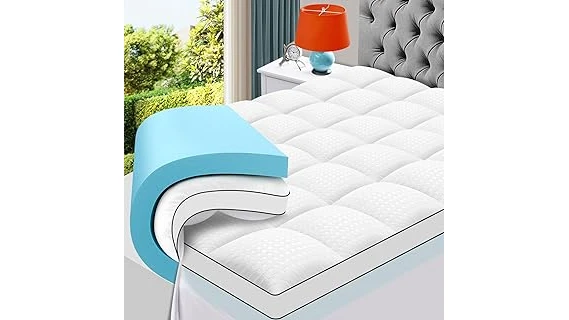
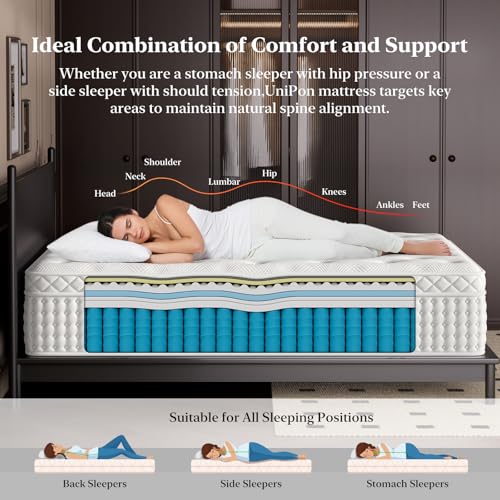
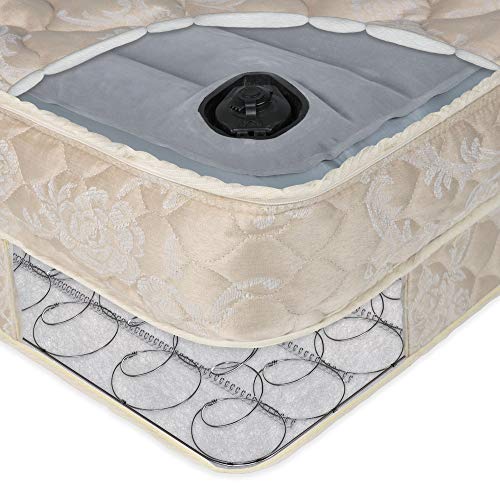
Leave a Reply